
Reviewed · BELGIUM
Mons : The Van Gogh House
The Van Gogh House in Mons is interesting because it takes you to the early, working days of Vincent van Gogh, long before the global fame. This is in Cuesmes, in the Borinage region, where his thinking about art was shaped by ordinary lives and hard labor.
I really like two things here. First, you get authentic early years context, tied to 1879 and 1880, not just a gallery-style tribute. Second, the visit ends with an audio installation that pulls you back into the historical setting of the Borinage.
One thing to consider: the experience can feel tight and on the short side once you enter the house, and the media you’ll watch can run longer than some people expect. If you prefer lots of room or a very detailed guided explanation, you may want to mentally adjust your expectations.
Key highlights to plan around
- Self-guided flow: garden entrance, pavilion, house visit, then audio installation at the end
- Borinage atmosphere: the setting is the point, not only the artworks
- Early Vincent period: his stay between 1879 and 1880 frames what you see
- Beautiful site feel: you start outdoors in the garden before moving inside
- Small-house format: expect close quarters, not a massive museum
Why the Van Gogh House in Cuesmes Feels Different Than a Typical Museum
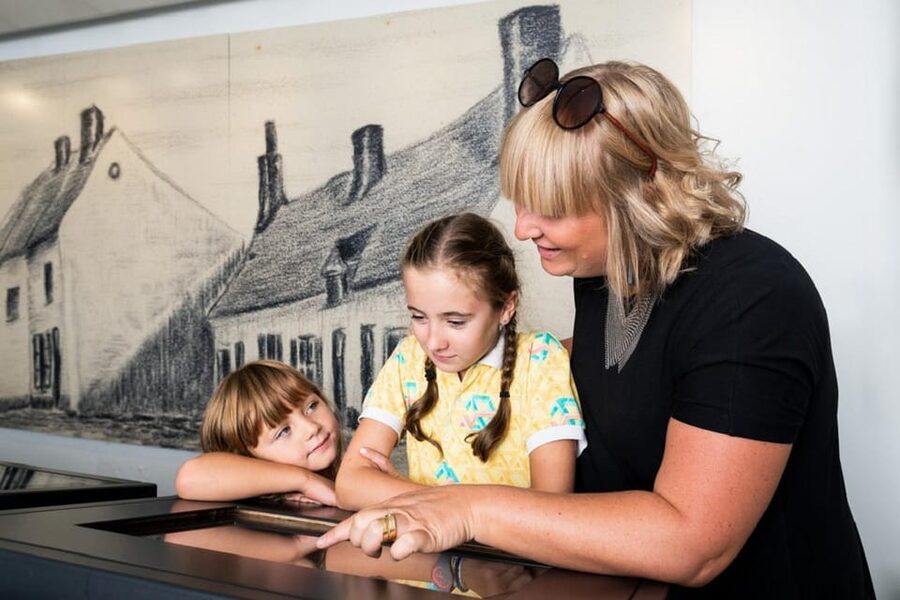
If you’ve visited bigger art museums, you know the rhythm: long halls, big labels, and a lot of separation between you and the story. The Mons Van Gogh House flips that. You move through a compact route, and the space itself helps you understand why Vincent was drawn to real people and real work.
This is not a place that tries to dazzle you with scale. It’s about atmosphere. Cuesmes and the wider Borinage area are presented as a formative environment, the kind that leaves traces in your imagination. In practical terms, it means your visit works best if you slow down and actually watch what changes from one room area to the next, because each section is designed to shift your mindset.
And yes, it’s a real draw for serious fans, because it connects to the specific stretch of time when Vincent lived and worked there, between 1879 and 1880. That time marker matters. It changes how you read the “before fame” phase of an artist who later became instantly recognizable.
The 1-Day Plan: Garden Entrance to the House Visit
This is a one-day activity with a simple, clear structure. You’re on your own, using the visit route as your guide. You’re not paying for a private guide here, because a guided tour is not included. That sounds basic, but it actually helps your schedule.
Here’s the order you’ll experience:
Booked on the same trip to Mons:
- Mons : The Belfry
★ 3.6 · 17 reviews - Mons : the Mons Memorial Museum
★ 3.9 · 7 reviews - Mons : City Center Bike Rental for Sightseeing & Exploring
★ 4.4 · 6 reviews
1) Start in the garden at the entrance
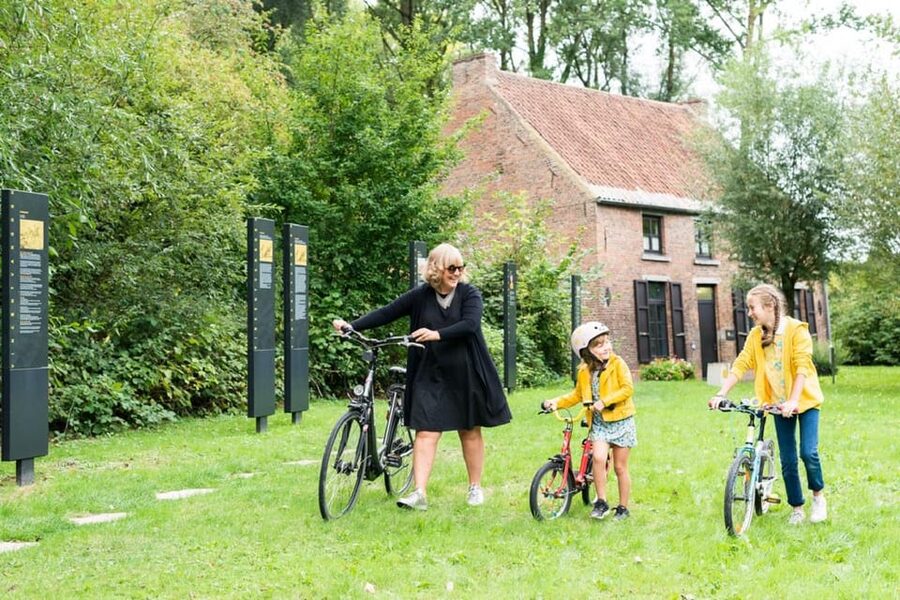
The visit begins outdoors. You’ll enter through the garden area and get your bearings in a calm, green setting. This first moment matters more than it seems, because it sets the mood before you go into indoor spaces.
Practical tip: if you have a timed ticket, arrive close to your slot. Even without a guide, you’ll want time to settle in before the visit starts to move you along.
2) Continue into a renovated pavilion
After the garden, you’ll move into a renovated pavilion. Think of this as the “setup” space: you’ll get oriented and guided into the story through the museum’s scenography, not through a lecturer.
The benefit of the pavilion stage is that it helps you connect place to meaning. Vincent’s time in the Borinage is treated as the starting point for why the preacher turned artist was drawn to certain themes and subject matter.
3) Visit the small, modernized house
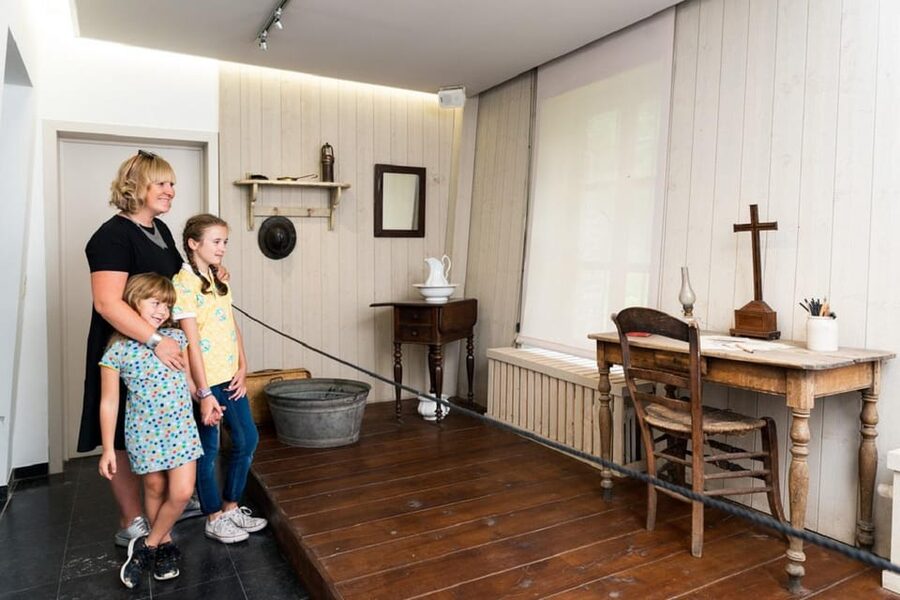
Then you enter the house itself. The house is described as small and modernized, which is important. You should expect close quarters. You’re not touring a grand mansion. You’re stepping into a compact version of his life context, and the museum’s presentation leans into that.
Drawback to plan for: if you dislike confined indoor visits or you’re traveling with limited patience for media screens, you might feel the pacing more strongly because there isn’t a lot of physical space to “spread out.”
Something different while you are in Mons:
- Mons : The Doudou Museum
★ 4.2 · 5 reviews
4) End with an audio installation for historical context
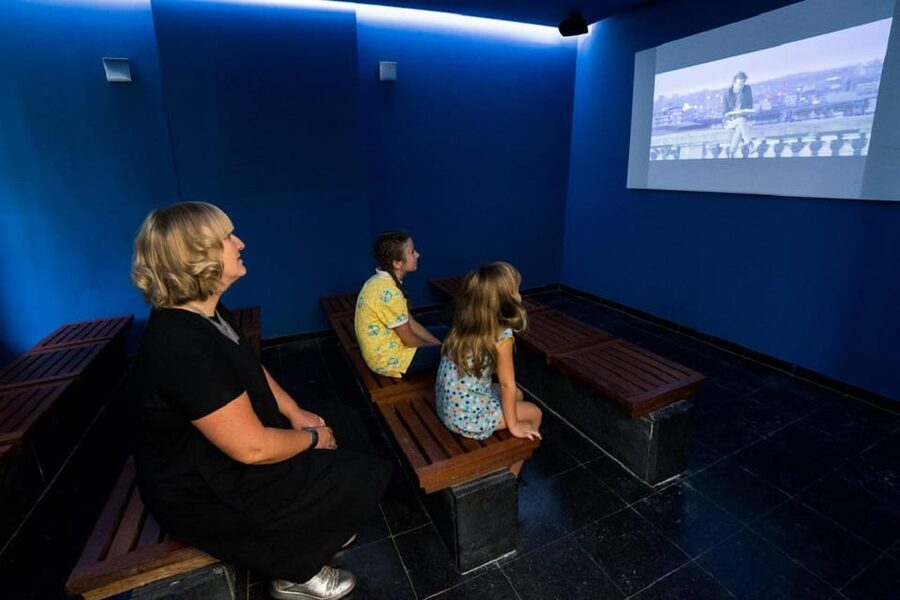
The final stage is an audio installation. It’s designed to situate Vincent, his work, and the Borinage setting inside the broader historical frame.
Even if you’re not a huge audio-tour person, treat this part as your “connective tissue.” It’s where the museum tries to link the atmosphere you saw earlier to what it meant for his artistic direction.
The Borinage Atmosphere Thread, and Why It Matters for What You’ll Notice
The heart of the experience is the Borinage atmosphere and how it’s connected to Vincent van Gogh across his life. The museum doesn’t treat the region as a backdrop. It treats it like a formative force.
Here’s what that means for you during the visit:
- You’ll likely start looking at themes, not just objects. Instead of focusing only on what something looks like, you’ll start thinking about who Vincent was paying attention to and why.
- Your pace will matter. Because the story is tied to place, rushing through can make it feel like a short house visit rather than a meaningful turning point.
- The rural and working-class references are part of the message. The museum uses the setting and scenography to convey that everyday life and labor were central to his imagination.
This is also why the audio installation at the end is valuable. It’s meant to take what you absorbed visually and put it into a clearer historical context, so the Borinage does not evaporate as soon as you leave the building.
Inside the House: What the Early-Year Focus Changes for You
Vincent van Gogh’s worldwide fame often makes people forget how gradual an artist’s development can be. The Mons Van Gogh House pushes you back toward that earlier phase.
A big part of the appeal is that this is specifically tied to his stay in the Borinage during 1879 to 1880. You’re not getting a generic “Vincent lived here” moment. You’re getting a period-focused visit.
In practice, here’s what you’ll probably notice and how it affects your eyes:
- Scale of life becomes a theme. A small house visit forces the story into the foreground. You tend to pay attention to details, because there isn’t much else to do besides observe.
- The narrative is designed to suggest influences. The museum highlights early artistic influences and frames the preacher-turned-artist transformation as something shaped by his surroundings.
- The modernized presentation helps you move through, not get stuck. Since the house is modernized, the experience flows more like a guided museum route rather than a frozen historic interior.
Balanced reality check: the house can feel limiting for people who want lots of interpretive text or deep, room-by-room explanations. If you’re someone who likes lengthy commentary, you may wish you had a longer format. That said, the audio installation and the pavilion stages are there to carry more of the contextual weight.
The Audio Installation: Where the Story Tightens Up
The audio installation is the last step, and it’s designed to anchor the whole visit. Instead of ending with “you’ve seen the place,” you finish with “you understand the place in context.”
This is especially helpful if you don’t have a guided tour. Without a guide, it’s easy for a museum to feel like a sequence of rooms. The audio format helps prevent that by stitching the setting, Vincent’s situation, and the broader Borinage environment together.
One consideration from pacing feedback: the film or media element can feel long for some people. If you know you get impatient with longer audio or screen content, plan to go in with a calm mindset. This is not a fast sprint experience.
Price and Ticket Value for a $5 Visit
At about $5 per person, the Van Gogh House is strong value, mainly because you’re paying for a focused place-based story, not a huge museum complex. It’s the kind of ticket that works well if you want something meaningful but not exhausting.
Think about value this way: you’re getting a complete route (garden, pavilion, house, audio installation) that connects directly to a specific Vincent timeframe. That kind of accuracy is hard to get cheaply in a big city.
The tradeoff is that it is still a compact experience. You shouldn’t expect to fill an entire day with multiple museum stops inside the house itself. Instead, treat it as a good cultural anchor for a Mons area day, or as a high-value stop if you’re already in Wallonia and want a specific Van Gogh chapter.
Getting There From Mons: Keep It Simple and Prepare Your Ticket
The site is reached by your own transport or by public transport, with bus timetables worth checking in advance. Since you’re presenting an entry ticket at reception, your best move is to have your ticket ready and accessible on your phone or printed.
A practical issue I’d plan for: it’s easy to lose time at the entrance if ticket details are hard to find. Before you leave, download or screenshot your ticket email confirmation so it’s instantly usable at the desk.
Because this is self-guided, that first minute or two of access matters. Once you’re inside, you’ll appreciate having your ticket sorted so you can start the garden portion without stress.
Accessibility and Languages: What You Can Expect
The Van Gogh House is wheelchair accessible. Language options include Dutch, English, and French, which helps a lot if you want to understand the story without guessing.
Since the experience is self-guided, language matters most for signage, the way you interpret the scenes, and how the audio installation supports the historical context. If you’re comfortable in at least one of the available languages, your visit will feel smoother.
Who This Works Best For (and who might want a different plan)
This is ideal for you if:
- you want a place-based Van Gogh experience tied to a real location and a specific period (1879 to 1880)
- you enjoy museum storytelling that mixes scenography and audio rather than requiring a guide
- you like short, focused cultural stops that feel intentional
You might want to adjust expectations if:
- you need a highly detailed guided lecture, because a guided tour is not included
- you dislike visits where media playback or film-style content takes more time than expected
- you want lots of room and space inside the house, because the house is described as very restricted
If you’re the type who thrives on big museum collections, pair this with other Mons area stops so your day has enough variety. If you’re a Van Gogh fan who loves the early “how did he get here” story, this is a great match.
Should You Book the Mons Van Gogh House?
I’d book it if you want a low-cost, accurate connection to Van Gogh’s early phase and the Borinage setting that influenced him. At around $5, the value is hard to ignore, especially if you’re planning a Mons day and want one meaningful stop that doesn’t eat your whole schedule.
Skip it only if you’re mainly looking for a spacious museum with lots of written explanation and a long, guided deep dive. This experience is more about guided-by-design pacing, through garden, pavilion, a small modernized house, and then audio historical context.
If you like art history with a sense of place, this one is worth your time.
FAQ
Where is the Van Gogh House located?
It’s in Cuesmes, within the Mons region, in Wallonia, Belgium.
How much does it cost?
The price is listed as $5 per person.
How long is the experience?
It’s valid for 1 day, and you choose a starting time based on availability.
Is a guided tour included?
No. The entry ticket is included, but a guided tour is not included.
What language options are available?
The experience is available in Dutch, English, and French.
What should I expect during the visit?
You enter through the garden, continue into a renovated pavilion, visit the small modernized house, and then finish with an audio installation that places the artist and his work in the context of the Borinage.
Is the site wheelchair accessible?
Yes, the site is wheelchair accessible.
Do I need to bring anything for entry?
You receive your entry ticket by email, and you present it at the museum reception.
How do I get there?
You can go by your own transport or by public transport. It’s recommended to check bus timetables in advance.
Is there free cancellation?
Free cancellation is offered up to 24 hours in advance for a full refund.
Reviewed lately in Mons
- Mons : City Center Bike Rental for Sightseeing & Exploring★ 4.4 · 6 reviews
- Mons : The Doudou Museum★ 4.2 · 5 reviews
- Mons : the Mons Memorial Museum★ 3.9 · 7 reviews
- Mons : The Belfry★ 3.6 · 17 reviews