
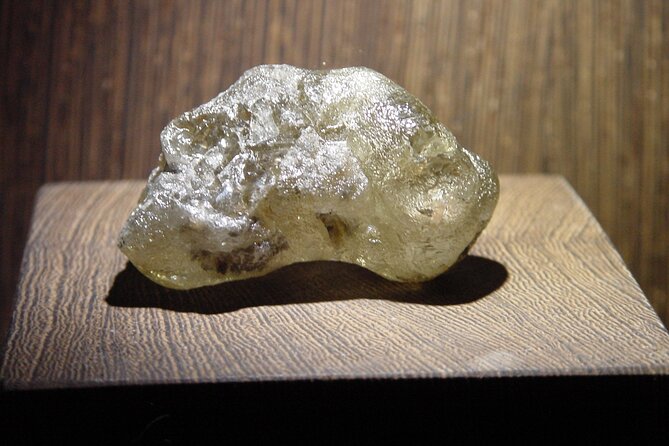
Reviewed · ANTWERP DIAMONDS
Ticket to Diamond Museum in Bruges
The Diamond Museum in Bruges is interesting because it takes something famous for sparkle and turns it into science you can test and craft you can watch. In under an hour, you get history, geology, symbolism, and the practical steps behind how a rough stone becomes brilliant.
I love that the museum is built for self-driven discovery, not just pass-through viewing. I also love the mix of wow-factor and hands-on learning, especially the interactive Diamond Lab and the jewel gallery featuring a 252 carat jumbo.
One possible drawback: the experience is fairly timed, about 40 minutes to 1 hour 10 minutes, so if you want a slow, lingering museum day, you may feel a bit rushed at the end.
Key highlights you will feel right away
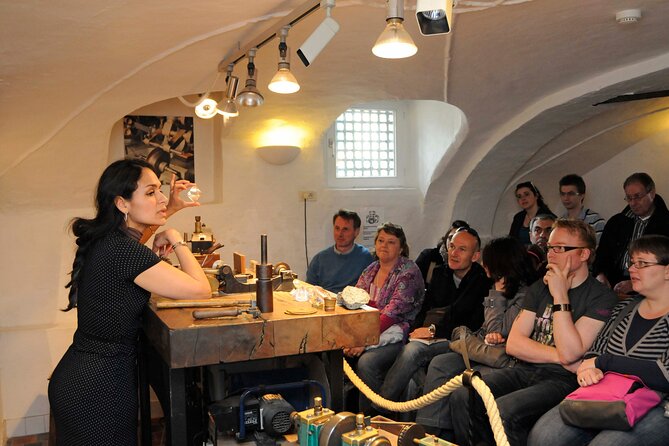
- Interactive Diamond Lab where you can test diamond properties for yourself
- 252 carat jumbo in the jewel gallery for a real wow moment
- Daily polishing demonstration using authentic machines
- A guided-by-design exhibition that covers history, technology, geology, and symbolism
- English offering with a mobile ticket that keeps the start simple
Diamond Museum Bruges in plain terms: what you actually get
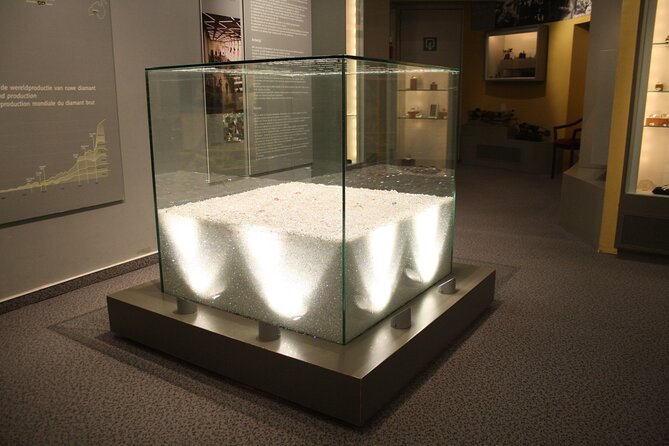
This ticket is for entry into the Diamond Museum in Bruges, designed as a compact visit. Expect about 40 minutes to 1 hour 10 minutes in total. That time range matters, because it shapes how the museum feels: you will move through the main exhibition areas, hit the interactive parts, and (if you time it well) catch the daily polishing demonstration.
The price is $18.04 per person. For a short, focused museum stop, I think that is fair value when you factor in two things you do here: you test diamond properties in the Diamond Lab, and you watch the polishing process on real equipment. Those are harder to find in a standard museum ticket, and they are the kind of learning that sticks.
The experience is offered in English, and you get a mobile ticket. If you like travel that is low-stress at the start, that helps. You will not waste time hunting paper tickets, and you can show your pass quickly at entry.
More Museums in Bruges
- Bruges: Choco-Story Museum with Audio Guide and Tastings
★ 4.2 · 1,825 reviews - Choco-Story: The Chocolate Museum in Bruges
★ 4.0 · 544 reviews - Bruges: Chocolate Making Workshop and Chocolate Museum Entry
★ 4.6 · 395 reviews
Inside the museum, from diamond science to symbolism
The main exhibition is where the museum earns its keep. Instead of treating diamonds only as luxury objects, the museum breaks them into clear themes: history, technology, geology, symbolism, and more. I like this approach because it helps you understand what you are seeing. A diamond is not just a pretty shape. It is a material with a specific story.
Here is what this means in practice as you walk through:
- You get context for why diamonds became symbols in culture, not just in jewelry cases.
- You see how technology and cutting methods relate to how diamonds look.
- You get the geology side, so the stone feels less like magic and more like a real product of the earth.
Even if you are not a “diamond person,” this structure gives you hooks. And if you are traveling with teens or anyone who wants to understand how things work, this format helps them stay engaged, because it connects the shine to process and science.
The Diamond Lab: where testing beats reading
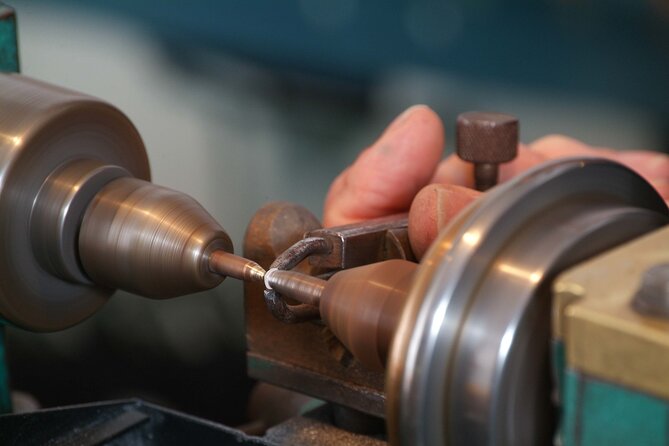
The museum’s interactive heart is the Diamond Lab. This is the part that turns the visit from watching displays into doing something. The museum invites you to test the properties of a diamond, which is exactly the kind of activity that makes the information feel real.
Why that matters: interactive learning gives you a direct comparison in your head. After you test something yourself, you stop wondering if you are just being impressed by lighting tricks. Instead, you start thinking in cause and effect, like how cut, material behavior, and the way light interacts change what you see.
If you are the type of traveler who likes practical takeaways, this is your best payoff. It is also where the museum tends to land hardest with younger visitors who want action and clear steps.
Jewel gallery and the 252 carat jumbo moment
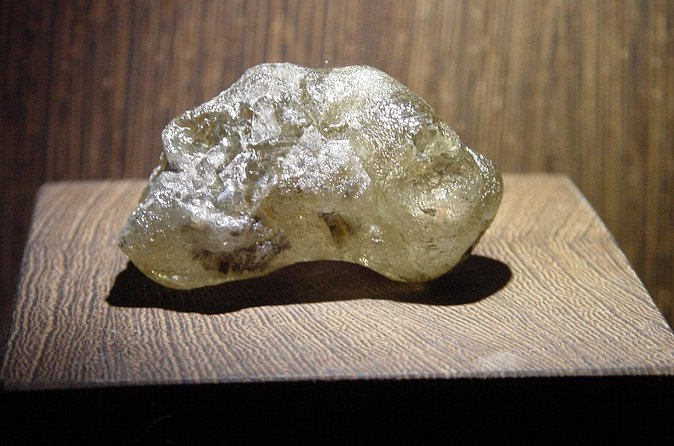
Then you hit the jewel gallery, including a 252 carat jumbo. That is not a small detail, and it works as a built-in reset. Even if you have already learned about properties and process, this gallery gives you the visual payoff in full scale.
What I like about seeing a very large stone in a museum setting is that it helps calibrate your expectations. You stop thinking of diamonds only as small sparkle you see on a ring photo. Here, you can look at proportion, color, and the way facets behave when they are not the size of a postage stamp.
This section is not just about staring. It is also about letting the earlier science and polishing concepts make sense. After you understand what polishing is trying to accomplish, the faceting and shine in the gallery feel less random.
More of Antwerp's diamond district:
- Bruges: Diamond Museum Ticket with Polishing Demonstration
★ 3.9 · 8 reviews - Antwerp: Diamond & Jewish Quarter Walking Tour
★ 4.6 · 32 reviews - Private Antwerp’s Diamonds and Jewellery Old City Center Historic Tour
★ 4.5 · 25 reviews - Antwerp: Diamond & Jewish Quarter Walking Tour
★ 4.5 · 5 reviews
Daily polishing demonstration: the craft behind the brilliance
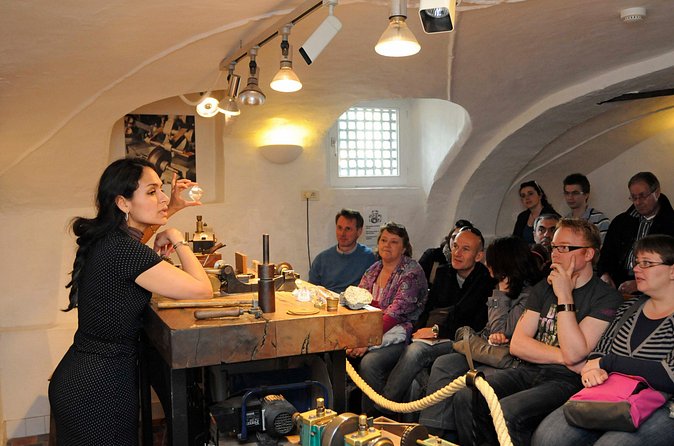
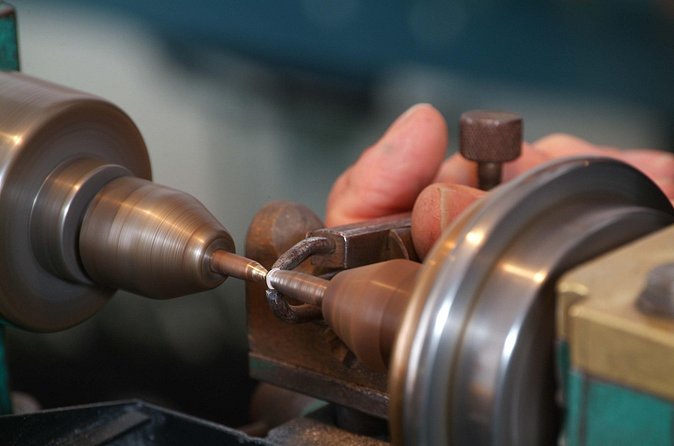
The museum also offers a daily polishing demonstration. This is where you watch how a brilliant is polished from a rough diamond using authentic machines.
This part is worth planning around, because it gives you something museums sometimes lack: a clear sequence. You get to see that brilliance does not appear by luck. It comes from work, tools, and technique. Watching that process turns the earlier “technology and geology” ideas into something concrete.
A smart tip: arrive with enough time to see the demo without rushing. Since the overall visit is about 40 minutes to 1 hour 10 minutes, you can easily end up doing everything but missing the most memorable segment if you show up late in your time window.
If you like hands-on craft, metalwork, glass blowing, or similar process-focused attractions, this will fit your style. It is educational without turning into a lecture.
Hours and timing: how to build a smooth visit in Bruges
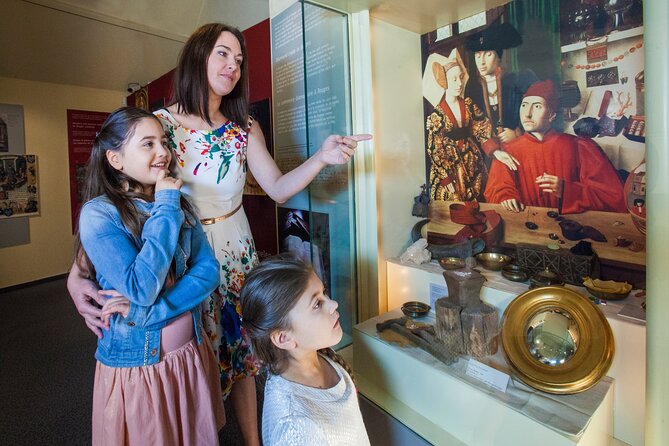
The museum’s opening hours run daily from 10:30 AM to 5:30 PM. Those hours are the backbone for how you can slot this into your day.
Bruges is a place where your day can fill up fast with walks, canals, and shop stops. A diamond museum ticket works well as a focused “middle block” on a day when you still want a real indoor component. I like it near midday or afternoon because you are not fighting for time before other major sights.
Practical timing guidance:
- If you care about the polishing demo, plan your visit so you have a buffer to get seated and watch without panic.
- If you are just doing the exhibition and Diamond Lab, you can likely move through it comfortably within the 40 minute to 1 hour 10 minute range.
Since the experience is short by design, I would not schedule it right after a long, unpredictable activity.
Ticket logistics that keep it simple
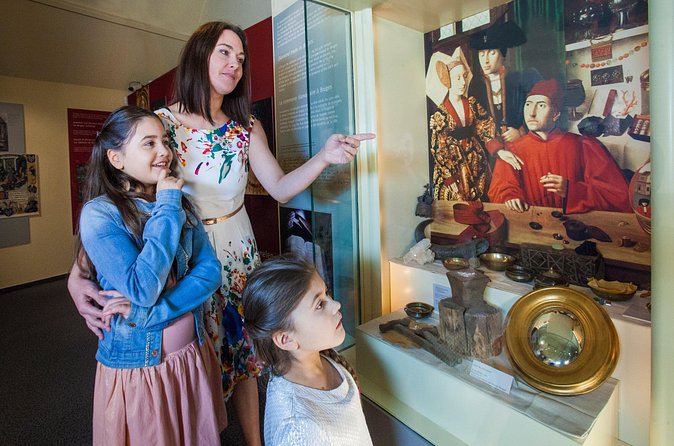
This experience uses a mobile ticket, and you get confirmation at booking. That is a straightforward setup, and it usually means less waiting around.
The museum is near public transportation, which matters in Bruges because it is easy to over-plan when you walk everywhere. If your feet are tired, you have a way to get there without making a big detour.
Service animals are allowed. Also, most travelers can participate, which suggests the museum is set up in a way that does not require specialized skills or equipment from visitors.
If you are visiting in a group, the experience still feels practical because it is ticketed entry with a single main destination. You are not juggling multiple locations or transfers.
Price, value, and who gets the best payoff
At $18.04 per person, this is not an all-day museum. So the value question is simple: do you want a short, process-forward experience with interactive learning and a live demonstration?
I think it offers strong value if you check at least one of these boxes:
- You enjoy learning by doing in an interactive lab setting
- You want to see a real polishing step and understand how it changes a stone
- You like a compact stop with clear themes rather than a sprawling collection
You might get less out of it if you are hunting for an hours-long, grand museum adventure. The visit length is built for focus, not for wandering for a long time.
This is a good choice for:
- Families with teens who like science or hands-on process
- Couples who want a fun, different indoor stop
- Anyone who has seen diamonds before but wants to understand the “how” behind the sparkle
Cancellations and changes, keep it flexible
The ticket includes free cancellation. You can cancel up to 24 hours in advance of the experience start time for a full refund, based on local time.
If your schedule might shift, that flexibility is worth noting. If you know your timing is solid, you can book and go. If Bruges weather or other plans could change, the refund window gives you breathing room.
Should you book the Diamond Museum ticket?
Book it if you want a compact, high-focus museum stop that turns diamonds into a hands-on science and craft experience. The best reasons are the Diamond Lab where you can test properties and the daily polishing demonstration that shows how brilliance is made.
Skip it or reconsider if you only want to see fancy jewels and nothing about the process. The museum is not trying to be that kind of luxury-only gallery. It is trying to teach you how diamonds work, how they became symbols, and what tools do to transform rough stones.
If you are already spending time in Bruges, this fits well as a planned indoor block inside your day. And it is short enough that you can enjoy it without wrecking your sightseeing rhythm.
FAQ
What is the duration of the Diamond Museum Bruges ticket?
The visit typically lasts about 40 minutes to 1 hour 10 minutes.
How much does the ticket cost?
The ticket price is $18.04 per person.
Is the experience available in English?
Yes, it is offered in English.
Will I get a mobile ticket?
Yes, the ticket is mobile.
What are the opening hours?
The museum is open daily from 10:30 AM to 5:30 PM.
What does the ticket admission include?
The admission ticket includes entry to the Diamond Museum, with access to the exhibition, the Diamond Lab, and the included polished demonstration.
Can I bring a service animal?
Yes, service animals are allowed.
Is there free cancellation?
Yes, free cancellation is available. You can cancel up to 24 hours in advance for a full refund.
Reviewed lately in Bruges
- Belgium’s Gems: Bruges & Ghent Full Day Shore Trip from Zeebrugge★ 4.5 · 3 reviews
- Private 3-hour walking tour of Bruges with official tour guide★ 4.0 · 3 reviews
- Bruges: Ticket Volkskundemuseum (Folk Museum)★ 5.0 · 3 reviews
- Explore the Instaworthy Spots of Bruges with a Local★ 5.0 · 3 reviews
- Bruges Photo Session By a Pro★ 5.0 · 3 reviews
- Bruges: Private custom tour with a local guide★ 4.9 · 3 reviews
- Self-Guided Secrets Tour – Explore Bruges & Miss nothing★ 5.0 · 4 reviews
- Family Friendly Guided Bike Tour from Bruges to Flatlands★ 5.0 · 4 reviews
Antwerp Diamonds, compared.
Private Antwerp’s Diamonds and Jewellery Old City Center Historic Tour
Read our review →
Bruges: Diamond Museum Ticket with Polishing Demonstration
Read our review →
From Brussels: Private Tour to Antwerp – Diamond & Art City
Read our review →Browse the lists this tour appears in