
Reviewed · LEGENDS WALKING TOURS
Historical Walking Tour: Legends of Bruges
This walking tour is interesting because it turns Bruges’ famous sights into one continuous story you can follow on foot, with the Markt and the political center at Burg Square. It is the kind of route that helps you get oriented fast, and guides like Louis tend to make medieval Bruges feel specific, not vague.
I especially like how the walk connects places to everyday life, from trading power to hospital care and beer culture. Another strong point is the small-group feel (up to 24 people), so you can ask questions without feeling lost in the crowd.
One possible consideration is that you spend a good chunk of the time outdoors, and the tour requires good weather. If rain or cold hits, wear layers and plan for a less leisurely pace.
Key takeaways
- A short, high-impact route that covers Bruges’ top landmarks in about 2 hours 15 minutes
- Medieval Bruges through real functions, trading at the Markt, power from the Belfort, and care at St John’s Hospital
- Free-entry stops built into the walk, with admission ticket free for each listed highlight
- Beer culture on the agenda, including the Gruuthuse family’s beer trade role and De Halve Maan’s stories plus an underground beer pipeline detail
- A meaningful finish at Burg Square, the political heart and birthplace of Bruges
Following the Map Back to Medieval Power at the Markt
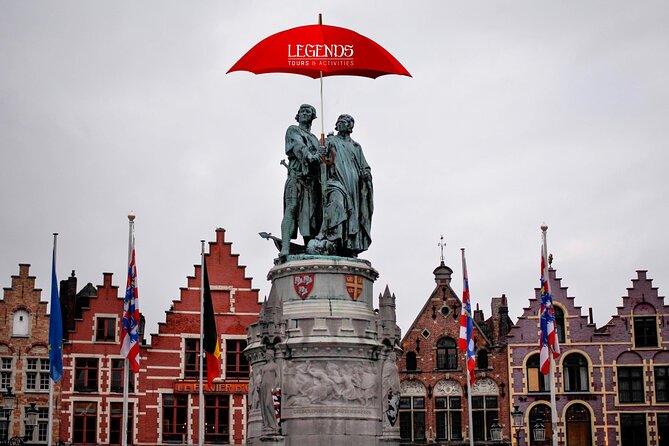
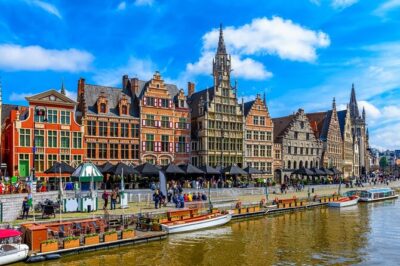
You start at Pieter de Coninck en Jan BreydelMarkt, and right away you are in the thick of Bruges’ story. The Markt is more than a pretty square. You get the big picture of how Bruges operated as a trading hub in medieval times, and why it mattered when Europe’s money and ships were moving.
A standout part of this first leg is the talk about Bruges’ tough relationship with the French king. That kind of context changes how you look at the buildings around you. Instead of only seeing facades, you start noticing what must have been at stake for the city.
This is a great opening if you want to avoid the common first-day problem in Bruges: seeing a lot, but not knowing what you are looking at. It is also friendly for time-pressed visitors because the tour is designed to hit major landmarks without long gaps.
More Historical Tours in Bruges
- THE Storytelling Tour of Bruges | First Day Must | History & Tips
★ 5.0 · 925 reviews - Private Historical Tour: The Highlights of Bruges
★ 5.0 · 315 reviews - 2-Hour Historical Walking Tour in Bruges with Praline Included
★ 5.0 · 291 reviews
Belfort’s Halls and the Bell Tower Story That Explains the City
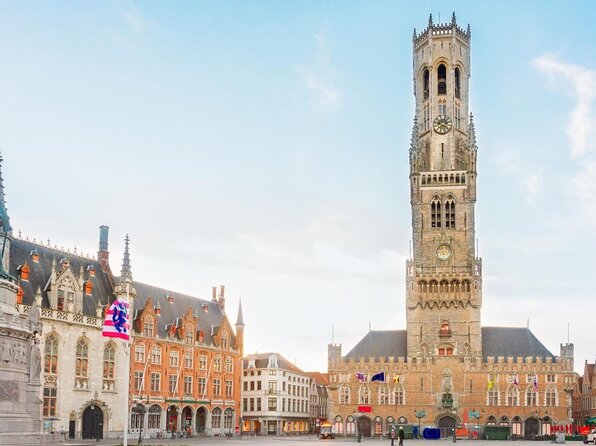
Next comes the Belfort, where you focus on the halls behind the bellfry and why the tower mattered during the Middle Ages. Even if you never plan to climb anything, this stop helps you understand Bruges as a place with organized power, not just a laid-back canal town.
Think of it as learning the city’s operating system. Towers and civic buildings were tied to authority, communication, and prestige. When your guide ties those ideas to what you see, the tower becomes a clue instead of a photo spot.
Practical tip: if tower access beyond what you see from ground level is part of your personal plan, you may need to manage separate timing. One traveler noted buying tickets early for a tower climb, so if that matters to you, ask your guide at the start of the walk and keep your expectations flexible.
Gruuthusemuseum and De Halve Maan: Beer, Wealth, and Plumbing Beneath the Streets
This is where the tour gets delightfully practical about how cities worked. At Gruuthusemuseum, you visit a newly renovated city palace that belonged to a wealthy family in Bruges. The key detail is their monopoly on a specific part of the beer trade, which gives you a real sense of how money connected to craft and commerce.
From there, you head toward De Halve Maan Brewery. Even standing outside, the guide tells you why Bruges got the nickname Fools of Bruges, plus a striking detail about a beer pipeline that flows beneath the city. That is the kind of trivia that sticks because it reframes the whole place. You are no longer just imagining old breweries, you are picturing the infrastructure under your feet.
Two things make these beer stops especially valuable. First, you get a story that is local and specific, not generic Belgium talk. Second, you see how power and everyday production linked together through families, trade, and clever systems.
If you are a non-beer drinker, you will still enjoy this section because the focus stays on commerce and how Bruges ran. If you do love beer, it adds a layer of satisfaction: you will feel like you understand the city’s brewing identity, not just its tourism brand.
St John Hospital: Medieval Care That Still Shapes Bruges
At Sint-Janshospitaal, you pause at the magnificent hospital of St John, described as one of the oldest still existing hospitals in the world. The guide connects it to the bigger theme of medieval society and how a city took care of vulnerable people, which is not the first topic most people expect on a walking tour.
This stop changes the rhythm of the tour. You get a quieter moment to think about what endurance looks like in Europe’s old cities. In a place known for charm, this is the reminder that Bruges was also about institutions and daily responsibilities.
The careful tone here tends to work well on a cold or drizzly day too, because you are not forced to stare at sunshine-perfect views. You focus on meaning, and that makes the stop feel complete even if the weather is not.
More Walking Tours in Bruges
- Bruges: Small Group Boat Cruise and Guided Walking Tour
★ 4.8 · 4,102 reviews - Guided boat trip and walk
★ 4.5 · 703 reviews - Bruges: Guided Walking Tour
★ 4.5 · 682 reviews - Walking tour of Bruges with boat option and/or beer tasting
★ 4.0 · 416 reviews
Ten Wijngaarde Beguinage: A Community That Lasted Over 800 Years

Then you walk into the Princely Beguinage Ten Wijngaarde, one of the biggest beguinages of its kind. The big idea is that ladies lived together in a community for over 800 years. That single fact gives the stop a different weight than most historical sites you see on a first day.
You also get the story of what daily life might have looked like and why a place like this mattered in medieval Bruges. A beguinage is not just a pretty courtyard. It is a social model tied to religion, work, safety, and community support.
This stop is particularly strong for travelers who like history that feels human. It also gives you a change of scenery from the civic and trade buildings, so your brain gets a break while still learning.
Minnewater Lake and the Swans: Love, Legends, and Conflict
At Minnewater Lake, you reach the Lake of Love and hear why there are swans on Bruges canals, plus a story about the city’s conflict with Emperor Maximilian of Austria. This is one of those stops where the guide handles both poetry and politics.
The swan story helps you connect the myths and symbols you see in Bruges to the deeper history behind them. Then the Maximilian detail pulls you back into the reality that even romantic scenes could sit next to power struggles.
If you are the type who likes walking tours that include at least a bit of legend, this is your moment. If you prefer straight facts only, you will still like it because it is tied to real conflict history, not just fluff.
Onze-Lieve-Vrouwekerk: A Brick Tower With Michelangelo and Duke Tombs
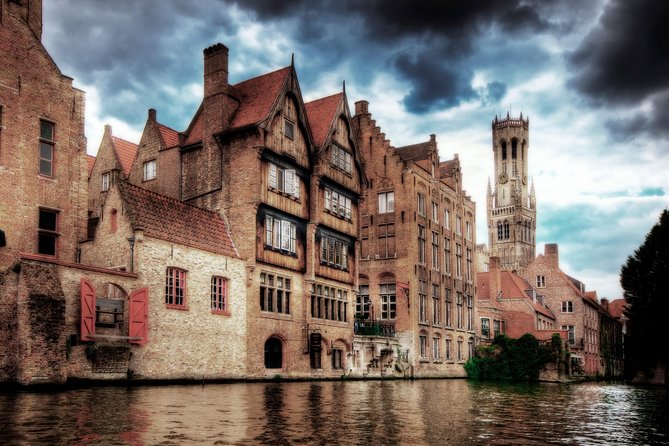
Next is Onze-Lieve-Vrouwekerk, one of Bruges’ most iconic churches. The guide points out that it has the 2nd tallest brick tower in the world, and then brings in details that make the building feel like a history vault.
Inside, you hear about a statue by Michelangelo and the tombs of the last Dukes of Burgundy. That combination matters. It ties Bruges to major European art and to the fate of regional rulers whose decisions shaped the city.
This stop is also where you get a sense of why Bruges became the kind of place that attracts people centuries later. The church is not just pretty. It is a monument to status, devotion, and politics all in one structure.
If you want to get the most out of this section, slow down when your guide is talking. Bruges rewards attention. You will understand more if you let the stories set your mental images before you move on to photos.
Groeningemuseum Garden and Huidenvettersplein Tanner’s Square: Art and the Jobs People Did
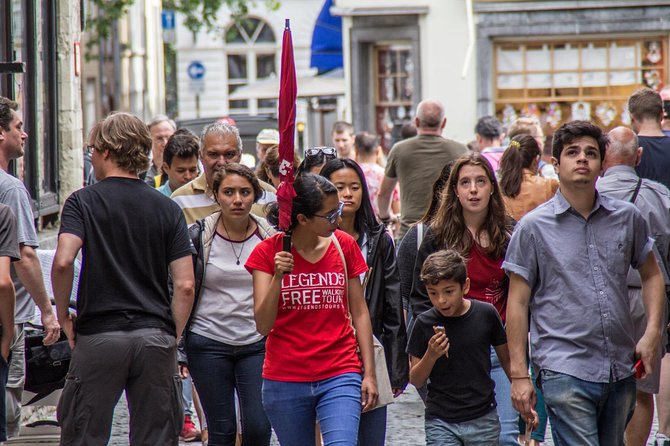
The walk then includes Groeningemuseum, but you are not stopping inside to plan a full museum day. Instead, you spend time in the garden, where the museum holds works by some of the biggest Flemish masters.
That is a smart pacing choice for a tour that only runs about 2 hours 15 minutes. You get a cultural note without turning your day into a museum marathon. If you later want deeper art time, the tour acts like a roadmap for what to prioritize.
Then you head to Huidenvettersplein, an old Tanner’s square where the smelly work of greasing skins and turning them into leather took place. The contrast is sharp and useful. You move from church art to everyday industry, and that range is what makes the tour feel grounded.
If you like history that explains how people lived, not just what elites commissioned, this stop delivers. It also helps you connect the city’s “clean tourist look” to the reality of older labor and trades.
Ending at Burg Square: Where Bruges’ Political Life Came Together
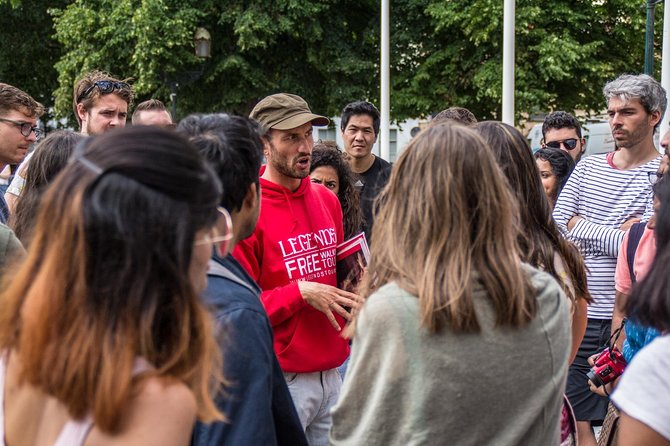
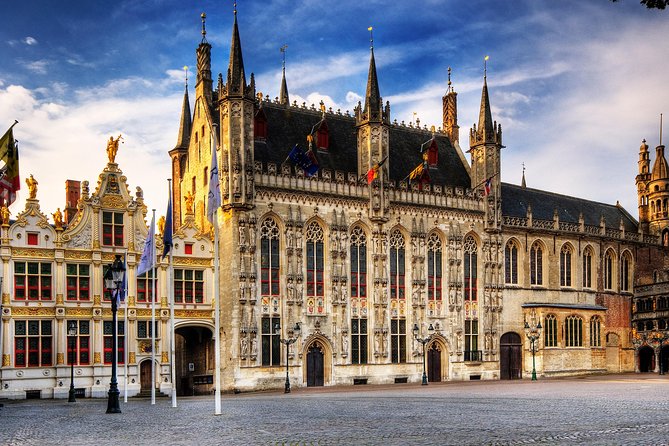
Finally, you end on De Burg at Burg 15, after passing by the old Fishmarket. The Burg Square is described as the political heart and the birthplace of the city of Bruges.
This is a fitting finish because you started with trade and civic power, and you end with the political center. By the time you reach Burg Square, you will likely feel like you can read the city’s layout like a map of influence.
Also, the route’s ending point is practical. It drops you near a central area where it is easy to keep exploring on your own without needing a new taxi or bus plan right away.
Price and Group Size: Why This Tour Feels Like a Bargain
At $3.62 per person for an English walking tour lasting about 2 hours 15 minutes, the value is hard to ignore. The included notes say all fees and taxes are covered, and the stops on the route list admission ticket free.
That matters because it means your money goes primarily into guidance and storytelling, not into paying separate entry charges for each highlight. You still control what you do next, but you are not forced into extra costs just to see the major beats.
The tour also caps at 24 travelers, which is the sweet spot for a walking format. Small enough for questions to land, big enough that you typically do not feel like you are stuck waiting for one person to catch up.
One more detail that hints at popularity: it is often booked about 17 days in advance. If you are traveling in peak season or have a tight itinerary, it is smart to plan ahead rather than gamble on last-minute spots.
What Your Guide Adds: Stories, Humor, and Asking Better Questions
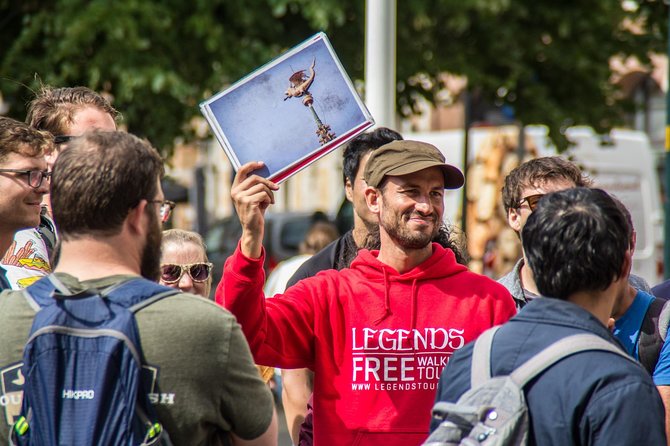
This is not a tour where you only read a plaque and move on. Guides are described as making history come alive with clear explanations, friendly humor, and even visual aids. In one experience, the guide also handled tips for getting around and where to eat, which can save you time later.
You might also encounter small extras, like chocolates or a complimentary truffle stop, depending on the guide. That is not something you should rely on every time, but it is a nice sign of how some guides personalize the experience.
My practical advice: come with one or two questions ready. For example, ask how the French king conflict affected trade, or what a beguinage was meant to protect. When you ask, you turn a good overview into a much more personal memory.
Timing, Weather, and Walking Comfort in Bruges
Because the tour is outdoors most of the time, the weather requirement is not just a rule, it is part of the experience. Bruges can be windy and damp, so dress for cold and bring a light rain layer.
Also, plan on standing and walking between stops. The tour runs about 2 hours 15 minutes, with multiple short stops, so it is more about steady flow than lingering for an hour in one location.
If you are traveling with kids or are pushing a stroller, the tour can work because it is designed for most travelers to participate. Still, Bruges streets are what they are, so bring a plan for breaks and keep expectations realistic if the day is freezing or wet.
And if you want to include anything beyond the tour stops, give yourself buffer time. A guided overview is meant to get you oriented, not to consume your whole day.
Should You Book Legends of Bruges?
If you want an easy first Bruges day, this is an excellent fit. You get major landmarks in one route, plus stories that explain why they exist and how medieval Bruges functioned as a trading, political, and social center.
I would especially recommend it if:
- You have limited time and want a strong orientation before going off on your own
- You like history tied to real people and real jobs, not only royal legends
- You want a route that is budget-friendly at the start of your trip, with free-entry stops helping you manage costs
You might skip it or shorten your expectations if:
- You need a fully indoor plan due to weather sensitivity
- You prefer deep museum time over a paced walk-and-learn format
Bottom line: this tour is a smart way to see Bruges with context. Book it early enough to lock in your preferred time, wear comfortable shoes, and let the stories do the heavy lifting.
More Legends Walking Tours
- Bruges’ Legends and Hidden Treasures: A Self-Guided Audio Tour
★ 5.0 · 5 reviews - Historical Walking Tour: Legends of Antwerp
★ 5.0 · 1,837 reviews - Historical Walking Tour: Legends of Gent
★ 5.0 · 1,761 reviews - Historical Walking Tour: The Story of Brussels – by Legends
★ 5.0 · 164 reviews
Reviewed lately in Bruges
- Belgium’s Gems: Bruges & Ghent Full Day Shore Trip from Zeebrugge★ 4.5 · 3 reviews
- Private 3-hour walking tour of Bruges with official tour guide★ 4.0 · 3 reviews
- Bruges: Ticket Volkskundemuseum (Folk Museum)★ 5.0 · 3 reviews
- Explore the Instaworthy Spots of Bruges with a Local★ 5.0 · 3 reviews
- Bruges Photo Session By a Pro★ 5.0 · 3 reviews
- Bruges: Private custom tour with a local guide★ 4.9 · 3 reviews
- Self-Guided Secrets Tour – Explore Bruges & Miss nothing★ 5.0 · 4 reviews
- Family Friendly Guided Bike Tour from Bruges to Flatlands★ 5.0 · 4 reviews
Legends Walking Tours, compared.
Historical Walking Tour: The Story of Brussels – by Legends
Read our review →
Bruges’ Legends and Hidden Treasures: A Self-Guided Audio Tour
Read our review →Browse the lists this tour appears in