
Reviewed · ATOMIUM & MINI-EUROPE
From Brussels: Day Trip to Ghent with Atomium in English
This full-day combo of the Atomium and medieval Ghent is a smart way to see more of Belgium beyond Brussels. I love the English guided walk through the old center, and I love that you get 4 hours of free time to decide how you want to spend your afternoon. One consideration, though, is that it is a long day with a coach ride and lots of walking, so plan on staying on your feet.
You meet your Buendia Tours guide at Brussels Central Station, in front of the Hilton Grand Place Hotel, and the Ghent portion is led in English by guides like Diego, Paula, Julian, Hugo, Eros, Eve, and Antonio. The approach feels practical: you get the key places, the stories that help them make sense, and then you get to wander at your own speed.
Key highlights to look forward to
- Atomium photo stop on the way to Ghent with a quick look at the 100+ meter monument and its nine-province symbolism
- St. Bavo’s Cathedral and the Mystic Lamb connection explained clearly in English
- Belfry and Town Hall visits with the local noose-bearers legend in the mix
- Gravensteen Castle and Patershol area time for medieval streets and atmosphere
- Ghent’s trading story in real places at the Great Butchers’ Hall, Old Fish Market, and Friday Market
- 4 hours of free time to fuel up, stroll the river promenade, and possibly add a short boat ride
From Brussels Central to Atomium: the quick Belgium warm-up
Your day starts at Brussels Central Station, meeting in front of the Hilton Grand Place Hotel. The guide is part of Buendia Tours and wears visible ID, so you should be able to spot them without guesswork. Once you’re settled on the coach, you roll toward the iconic Atomium, with around 1.5 hours of travel total each way.
The Atomium stop is more about context than a long visit. You get time to admire the monument, which rises over 100 meters, with spheres about 18 meters across, designed to represent Belgium’s nine provinces. Even if you have seen it in photos, it helps to stand near it and understand the design, because Ghent later feels like a place built by people who cared about symbolism and civic pride.
This is also where you should get your logistics brain switched on. If you’re sensitive to motion or you want a bathroom break before the walking starts, this is the moment to time it. One thing I recommend, based on past rider notes, is to assume the coach may not have a toilet, so use rest stops when they come.
More Day Trips in Brussels
- From Brussels: Guided Day Trip to Bruges and Ghent
★ 4.6 · 8,353 reviews - Luxembourg and Dinant Day Trip from Brussels
★ 4.0 · 1,474 reviews - From Brussels: Bruges Day Trip with Boat Tour Option (ENG)
★ 4.6 · 1,352 reviews
The English-guided Ghent walk: how you get your bearings fast
Once you reach Ghent, you get about 2 hours of guided touring in English. This is the part that makes the rest of the day easier. Your guide sets up a mental map of the city, so when you later head back out on your own, you’re not just drifting between pretty buildings, you’re following threads.
On this tour, you cover the story of Ghent from medieval power to civic institutions. You’ll see places tied to religion, government, and guild life, plus the parts of the city where trade shaped daily life. The pacing is designed to be informative without feeling like a nonstop sprint, and many people appreciate that afterward they still have time to roam.
A good guide can make a big difference here. On different departures, you might hear from well-liked English guides such as Diego, Paula, Julian, Hugo, Eros, Eve, and Antonio. I like tours where the guide not only explains what you’re looking at, but also shares practical ideas for what to focus on later.
If sound quality matters to you, you’ll want to sit where you can hear clearly. I’ve seen how quiet or softer-spoken guides can make the experience feel harder than it needs to be, especially in a busy group setting.
Castle of Gerald the Devil and St. Bavo’s Cathedral: stories that stick
Early in your guided time in Ghent, you’ll visit two very different types of landmarks. The Castle of Gerald the Devil dates back to the 13th century, and it’s the kind of site that immediately signals medieval Ghent had teeth. Even if you don’t remember every detail, it gives you that sense of scale and survival that comes through in the architecture.
Next comes St. Bavo’s Cathedral, one of Ghent’s major sights. Here the big draw is the connection to The Adoration of the Mystic Lamb by the Van Eyck brothers. You’ll hear how that work fits into the cathedral and why it’s such a cornerstone of Ghent’s identity.
This is a key value point for the tour. Cathedral stops are often treated as photo ops, but the guided explanation turns it into a landmark with meaning. When you understand what you’re looking at, you can spend your free time in a more personal way, whether that means returning for closer views or simply noticing details you would have missed.
If you’re someone who likes art and religious history, this cathedral moment is a strong reason to choose this day trip over a purely scenic walk.
Belfry, Town Hall, and the noose-bearers legend
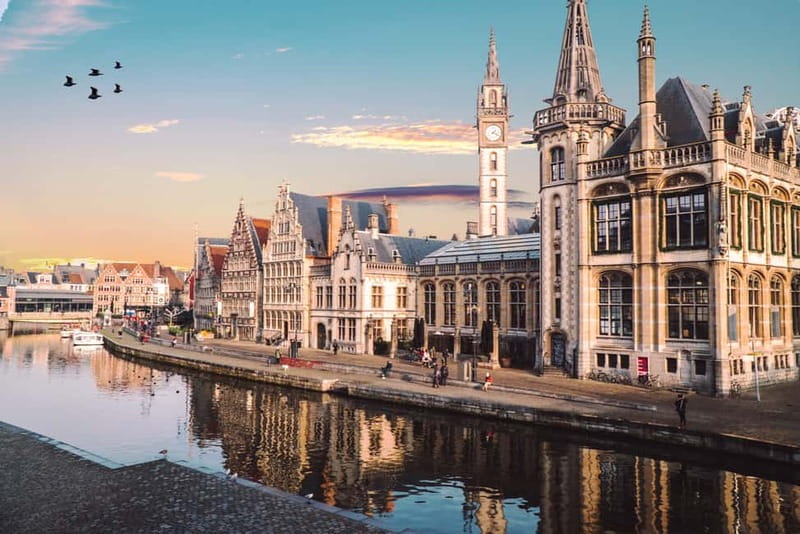
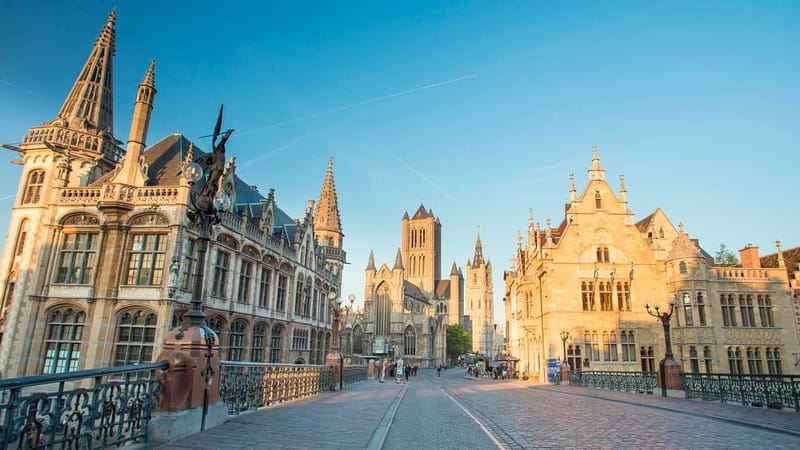
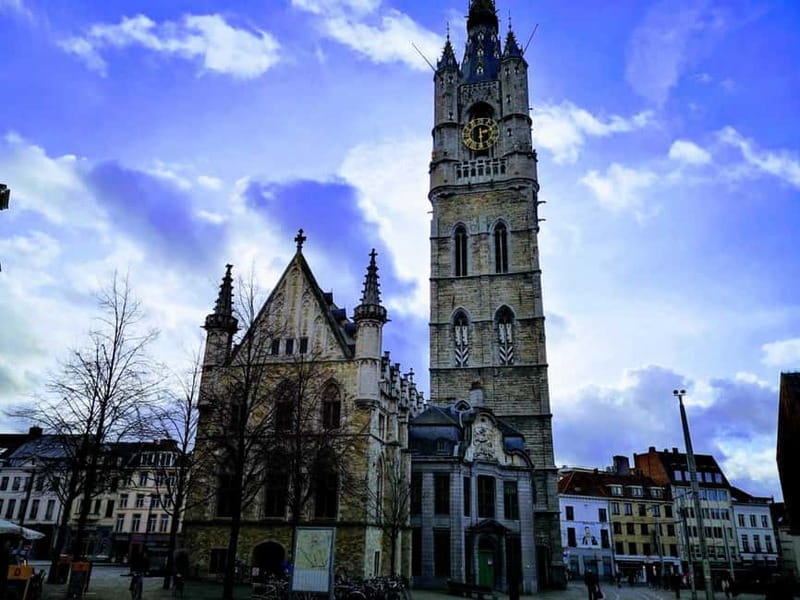
Ghent’s Belfry and Town Hall are civic power made visible. You’ll learn the backstory for why Ghent’s inhabitants are known as noose-bearers. That kind of local legend might sound random at first, but it usually ties into how medieval communities enforced order and handled punishment.
You also get a sense of what “city government” meant in the past. In Ghent, civic buildings are not tucked away. They’re front and center, part of the same visual conversation as churches and guild halls. When your guide connects those dots in English, your walk becomes more than sightseeing, it becomes a guided reading of the city.
I like this portion because it balances the art and the legend. You’re not stuck only with one lane. You’re also learning how Ghent functioned day-to-day, with institutions that mattered to merchants, artisans, and ordinary residents.
If you love architecture, take note of how these buildings relate to street layout and sight lines. Even after the guided hour ends, you’ll find yourself noticing symmetry, materials, and street openings because your brain has already been handed a map.
More to see around the Atomium:
- Brussels: Atomium Entry Ticket with Design Museum Ticket
★ 4.4 · 9,254 reviews - Antwerp and Ghent Day Trip from Brussels With Atomium Photo Stop
★ 4.5 · 210 reviews - From Brussels: Day Trip to Ghent with Atomium
★ 4.7 · 192 reviews - Day trip to Ghent and Atomium from Brussels
★ 4.5 · 64 reviews
Graslei quays, St. Nicholas, and the guild-style stops
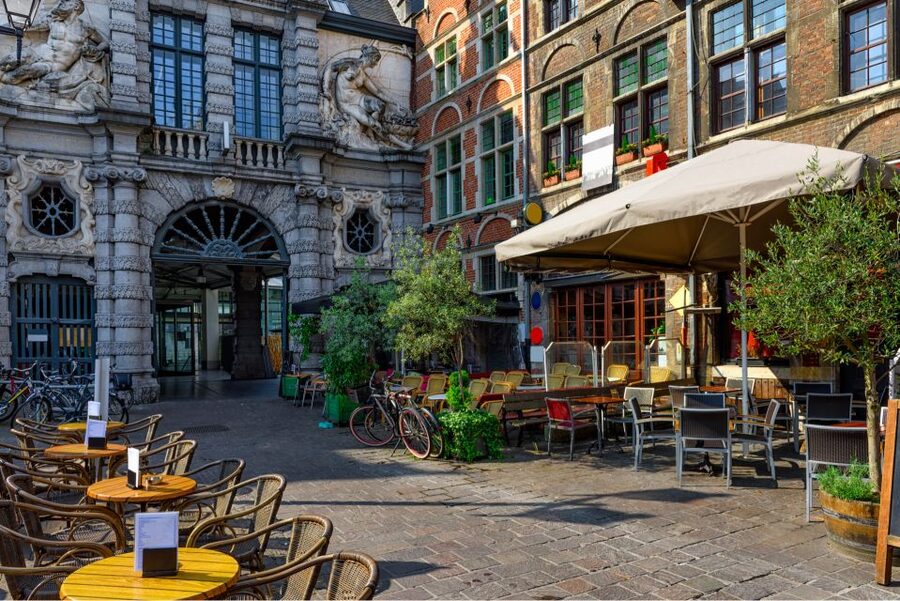
After the big civic pieces, you’ll move through the city in a way that highlights the “working Ghent” vibe. One of your guided stops is St. Nicholas’ Church, and you’ll also visit the Masons’ Guild Hall. These aren’t just pretty backdrops, they’re hints at how Ghent’s wealth was built through skilled labor and organized craft.
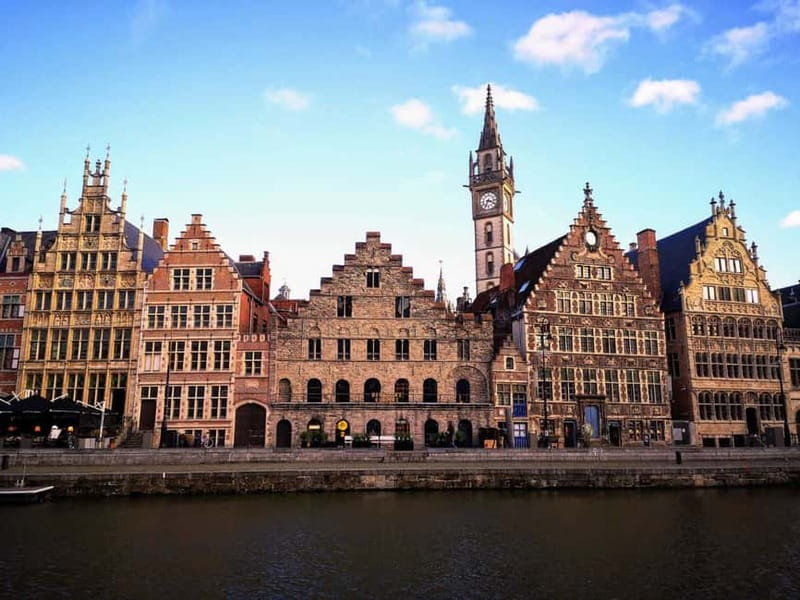
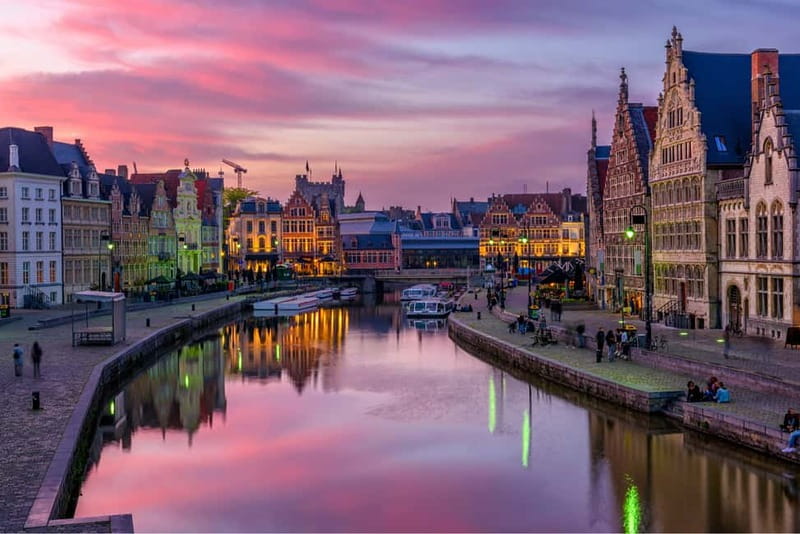
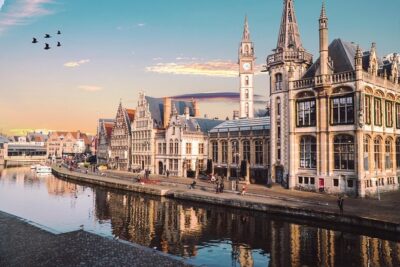
You’ll also see the quay side buildings of the Graslei. Standing along the water front is where a place like Ghent clicks. It’s easier to understand why trade mattered when you can look across the river and picture boats, goods, and movement.
This is also where Ghent feels distinctly different from many other Belgian towns. The architecture ties into commerce and community, not only royalty or scenery. That’s why I think this day trip works well even if you are short on time. You’re not only chasing famous postcards, you’re getting the logic behind them.
Medieval Gravensteen and the Patershol neighborhood
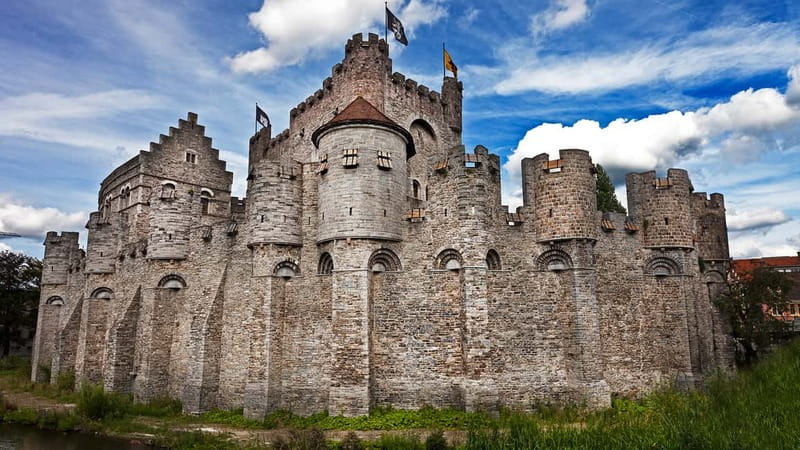
Gravensteen Castle is one of the big medieval anchors on your day. It’s the kind of stop where you can feel the defensive design in your bones, even if you’re not going inside every room. It also gives you a strong break from the denser cathedral and civic landmarks, because castle time tends to feel more open and visual.
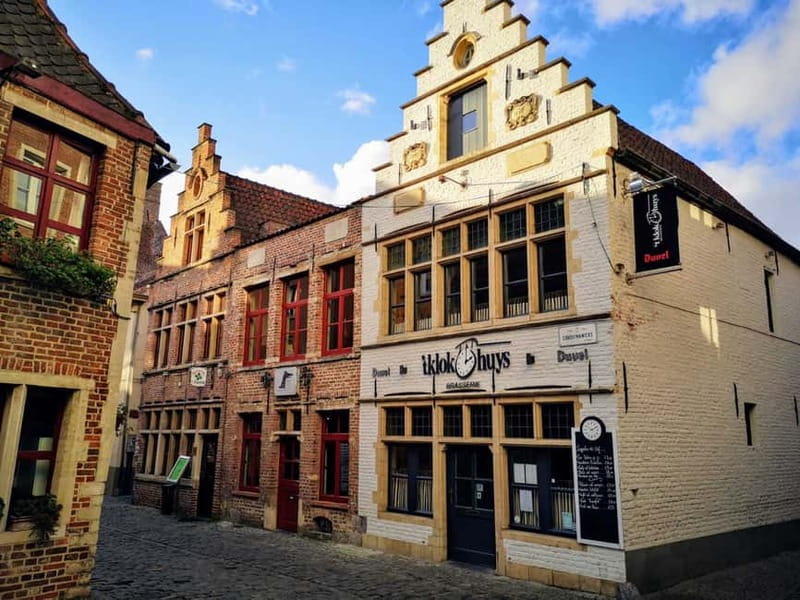
Then you head toward the Patershol neighborhood. This area is known for its charm, and in practice it’s a great place to slow down a notch during free time. Cobblestones, narrow streets, and that slightly storybook feel make Patershol an easy target for photos and wandering.
I recommend thinking of the guided portion as a “starter course.” You get the medieval story and landmarks in a concentrated window, and Patershol helps you turn that into atmosphere on your own later.
If you’re traveling with someone who wants different things, this part helps. A person who loves architecture can savor building exteriors and street angles, while someone who’s more into vibes can enjoy the neighborhood character.
Markets and trade: Great Butchers’ Hall, Old Fish Market, Friday Market
Ghent wasn’t only about cathedrals and councils. It was also about food, fish, meat, and daily commerce. Your guided route takes you through that side of the city at key trading locations.
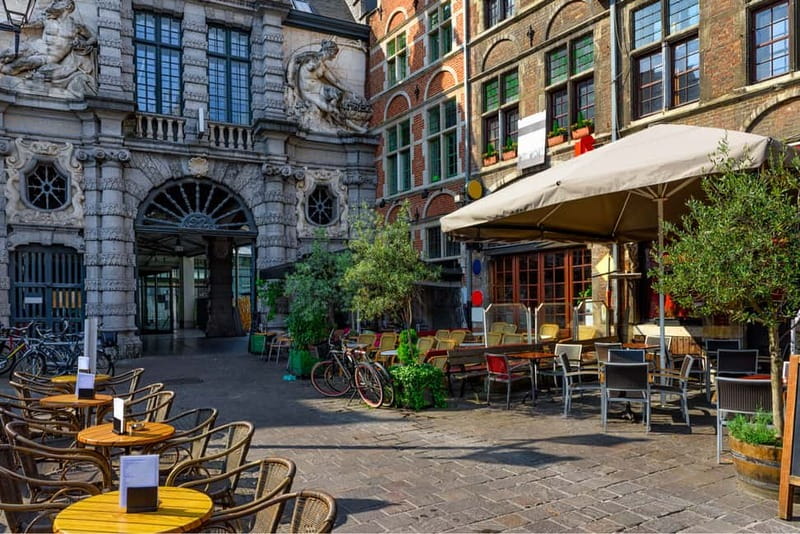
You’ll visit the Great Butchers’ Hall, plus the Old Fish Market and Friday Market areas. Even without heavy explanations, these places tell you something: guilds and markets were central to how people ate and earned.
I like these stops because they shift your perspective. It’s easy to think of old cities as museums, but markets are where life truly happened. When you see where businesses operated, the city feels more real, not just historic.
For your free time afterward, this section pays off. You’ll know what you’re seeing when you pass stalls, riverfront restaurants, and street corners. You’re more likely to choose a lunch spot that feels local instead of defaulting to the first place near the busiest intersection.
4 hours on your own: how to spend your lunch and wandering time
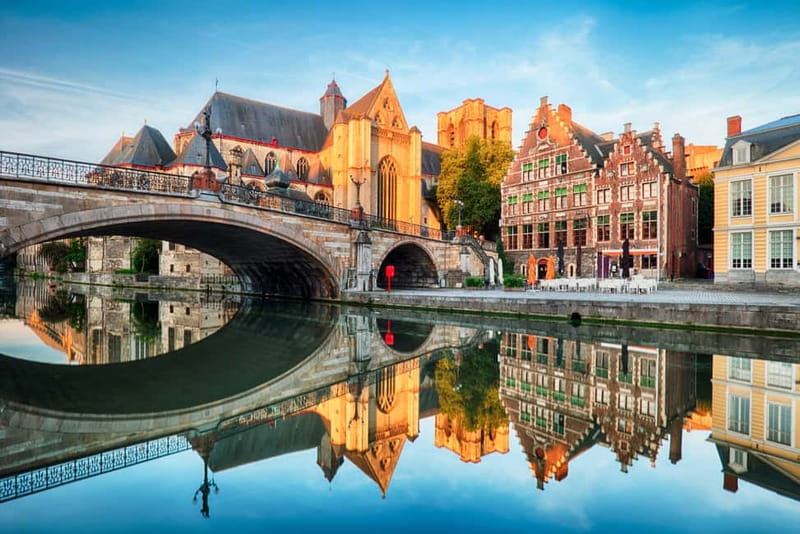
After the guided walk, you get about 4 hours of free time. This is the breathing room that turns a packaged day into a personal day. You can grab lunch and then decide how slow you want to go.
If you like eating near the water, I’d aim for the river promenade area, because it tends to be an easy, scenic setting for lunch. You can also use this time to revisit any stop that grabbed you on the tour, especially St. Bavo’s Cathedral or the Graslei waterfront.
One add-on that’s popular in this area is a short river boat ride. A traveler specifically mentioned doing a river cruise for about $10 each and called it excellent. I can’t promise availability or exact pricing, but it’s a solid “use your free time well” idea because it gives you a moving perspective of the city without needing more walking.
Practical tip: bring your water and keep an eye on timing if you want to catch a boat. With a full-day schedule, you want to avoid arriving back at the meeting point early and losing time, or arriving late and feeling rushed.
Also, check the weather before you settle in. One day can feel fine, another can bring rain, and Ghent in the wet is still pretty, just tougher on shoes and footing. Comfortable shoes are not optional.
Price, value, and what you’re actually paying for
At $50 per person, this day trip can feel like good value because it bundles three things that are hard to DIY in one smooth stroke: coach transfer from Brussels, an English guide for the key Ghent sites, and a planned visit route that covers the major clusters of the city.
The big thing you are not paying for is lunch and drinks. That’s normal for day trips, but it means you should budget for your meal separately. If you plan a simple lunch and keep your spending calm for the rest of the afternoon, the total cost stays reasonable.
Also, consider what you get by having guided context. Ghent can be gorgeous, but it’s also a bit of a puzzle if you don’t know where to start. Paying for a guided start saves you time, makes your free roaming more satisfying, and helps you choose what to return to.
If you already speak French or Dutch well and you love planning, you could go independently. Still, if you want a guided overview plus flexibility, this format is a strong deal.
Walking pace, comfort, and who this fits best
This is a walking and city-streets kind of day. You’ll see churches, civic buildings, castles, and waterfront areas, which means uneven pavement and a fair amount of time on your feet. That’s why comfortable shoes matter so much.
It is also not suitable for people with mobility impairments. If that applies to you, don’t gamble on making stops work. You’ll likely need a different format that supports easier movement.
If you’re traveling as a couple, a small group, or solo, you’ll probably like the balance of structure and freedom. The day works especially well if you want a first serious look at Ghent, not just a quick hit.
If you’re trying to combine Ghent with another big Belgian city later, I’d keep the days separate. One traveler advised planning Ghent and Bruges as separate trips so you can actually enjoy both. That logic holds. Two medieval cities in one day can turn into a blur.
Should you book this Brussels to Ghent day trip?
I’d book this tour if you want a straightforward, English-friendly introduction to Ghent with a planned route and enough free time to make the day yours. The strongest reasons are the combination of St. Bavo’s Cathedral with the Mystic Lamb story, the civic stops like the Belfry and Town Hall, and the freedom to choose your lunch and wandering pace.
I would think twice if you dislike long coach days, you need strong mobility support, or you expect fully independent time starting from minute one. Also plan for the fact that lunch is on you, and you will want comfortable shoes.
If you want Ghent to feel understandable, not just pretty, this is a very practical way to do it.
FAQ
What is the duration of the tour?
The tour lasts 9 hours total.
Where do I meet the guide in Brussels?
Meet in front of the Hilton Grand Place Hotel at Brussels Central Station. The guide will be wearing ID of Buendia Tours.
Is the Ghent tour guided and in English?
Yes. You get an English-speaking guide and a guided tour of Ghent.
How long is the guided portion in Ghent?
The guided tour in Ghent lasts about 2 hours.
How much free time do I get in Ghent?
You get about 4 hours of free time to have lunch and explore on your own.
Do I need to pay extra for lunch?
Lunch and drinks are not included.
Is there a stop at the Atomium?
Yes. Before continuing to Ghent, there is a stop at the Atomium where you can admire the monument.
Is this tour suitable for people with mobility impairments?
No, it is not suitable for people with mobility impairments.
Can I cancel for a refund?
Yes. You can cancel up to 24 hours in advance for a full refund.
Reviewed lately in Brussels
- Taxi Shuttle DE Brussels Airport < - > SPA (1 to 8 SEATS)★ 4.0 · 3 reviews
- WWII Battle of the Bulge Private Guided Day Tour from Brussels★ 5.0 · 3 reviews
- Pub Trail Brussels: an adventure full of surprises★ 3.5 · 3 reviews
- Brussels Exploration Game and City Tour on your Phone★ 4.0 · 3 reviews
- Private Day Trip from Brussels to Bruges★ 4.5 · 3 reviews
- Brussels : Must-See Attractions Walking Tour with a Guide★ 4.0 · 3 reviews
- Leuven: City Walk with Audio Guide in 7 Languages on your Phone★ 3.0 · 3 reviews
- Brussels: Museum Halle Gate Entry Ticket★ 4.1 · 3 reviews
Atomium & Mini-Europe, compared.

Brussels: Atomium Entry Ticket with Design Museum Ticket
Read our review →
Antwerp and Ghent Day Trip from Brussels With Atomium Photo Stop
Read our review →

Belgium in a Private Day Antwerp Atomium Brussels with Tastings
Read our review →

Atomium Brussels Flexible Entry Ticket – One Entry within 3 Days
Read our review →
Mini Europe Entry Ticket in Brussels with Flexible Priority Entry
Read our review →Browse the lists this tour appears in