
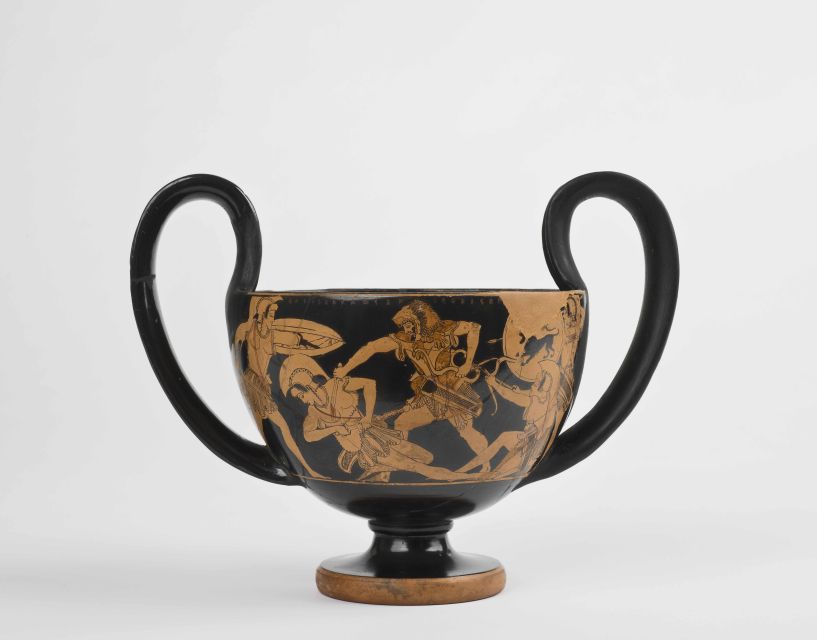
Reviewed · MUSEUMS
Brussels: Museum Art & History Entry Ticket
Stepping into the Royal Museums of Art and History is interesting because you get a full museum day of world history, not just one country or one era. I love the model of Roma that gives you an instant visual hook, and I also love confronting the stories around Egyptian mummies. One thing to consider up front: the entrance is not by Autoworld, so you will want a few minutes to walk around and follow the signs.
I also like that this is a true value play. At about $11 per person for entry to one of Belgium’s biggest museum collections, you can build your own route across prehistory, ancient civilizations, European decorative arts, and non-European collections, then end in the park with an easy picnic. The museum is large, so if you try to do everything fast, you may end up skipping the best parts.
Key points you should care about
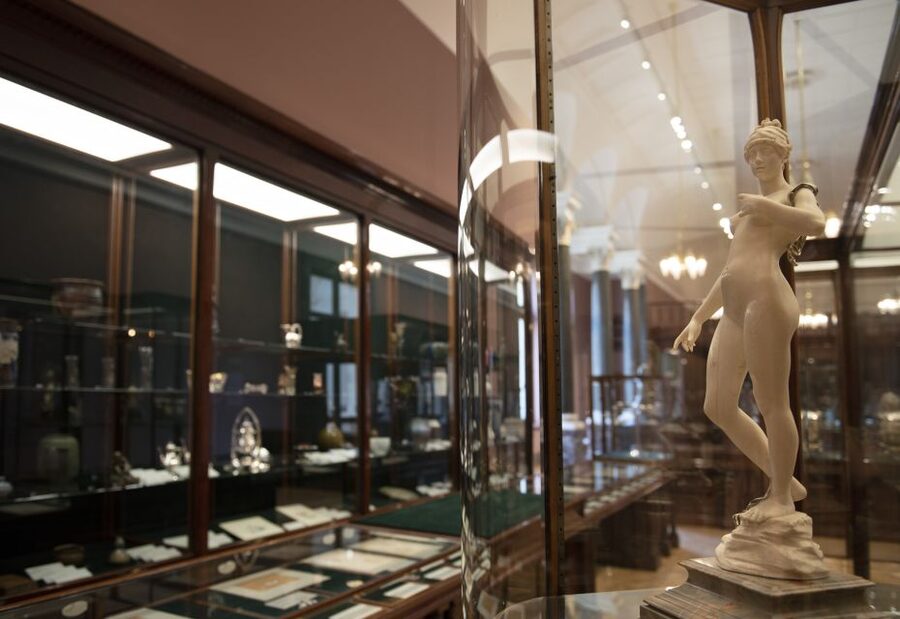
- Model of Roma that helps you picture the Roman world quickly
- Egyptian mummies that turn a history visit into a memorable moment
- Collections grouped by era and region, so you can plan a logical route
- Asian and other non-European civilizations shown through major religious and cultural art
- Parc du Cinquantenaire location, perfect for a relaxed finish outside
A one-day ticket that turns into a whole-world museum loop
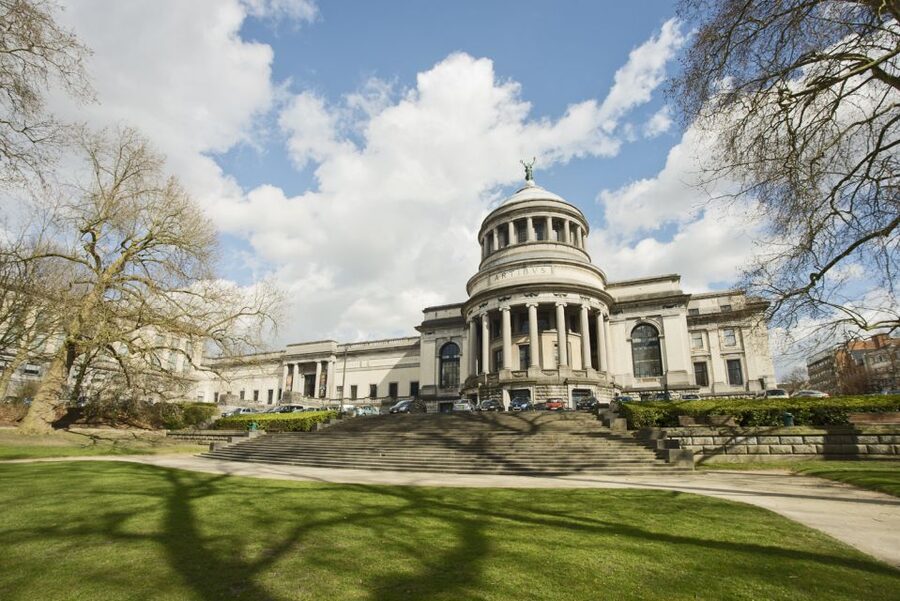
This is the kind of museum entry ticket I like in Brussels. One day is enough to get the main story arc, because the Royal Museums of Art and History are organized by clear big themes instead of forcing you into one narrow tunnel of exhibits.
I find the layout especially helpful when you want to move at your own pace. You can focus on ancient rooms first, then shift to European decorative arts, then finish with the non-European collections that include Islamic world, India, and China. If you are traveling with mixed interests, this museum makes it easier to satisfy everyone without everyone compromising.
The biggest “gotcha” is time management. The museum is one of the largest Belgian museums, so your day can expand fast. If you only want the highlights, go in with a simple plan for what you will not miss.
More Historical Tours in Brussels
- Brussels: Historical Tour with Chocolate & Waffle Tasting
★ 4.8 · 1,206 reviews - Brussels: Historical Walking Tour with Chocolate & Waffle Tasting
★ 5.0 · 1,165 reviews - Historical Walking Tour: The Story of Brussels – by Legends
★ 5.0 · 164 reviews
Royal Museums of Art and History, where to start and how to find the entrance
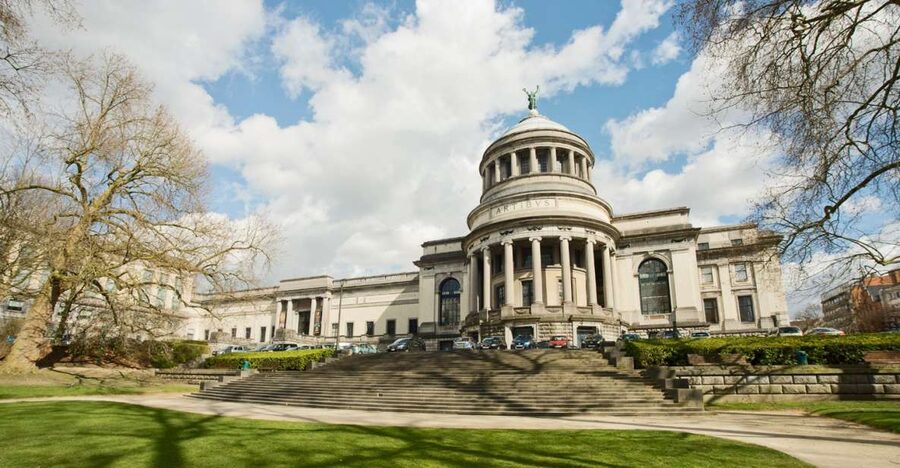
The museum sits at Parc du Cinquantenaire in a classic building that feels like it belongs in a postcard, but you still get a real, practical museum experience once you are inside. It is easy to get there by public transit, and that matters because you will likely want to keep your trip flexible and unhurried.
Here is the key navigation detail: the entrance is not located next to Autoworld. You need to walk around the corner and follow the signs to the entrance. I recommend factoring in a short buffer when you arrive, even if you think you already know the area.
For transit, plan around these stops:
- Merode and Schuman are within walking distance
- Central Station is an option if you use the metro connection to the museum
- The nearest metro station is Schuman
- Bus options include lines 22, 27, 80 to Galliërs, and line 61 to Merode
- Trams 81 and 82 also stop at Merode
Ancient worlds: prehistory to Egypt, Greece, and Rome
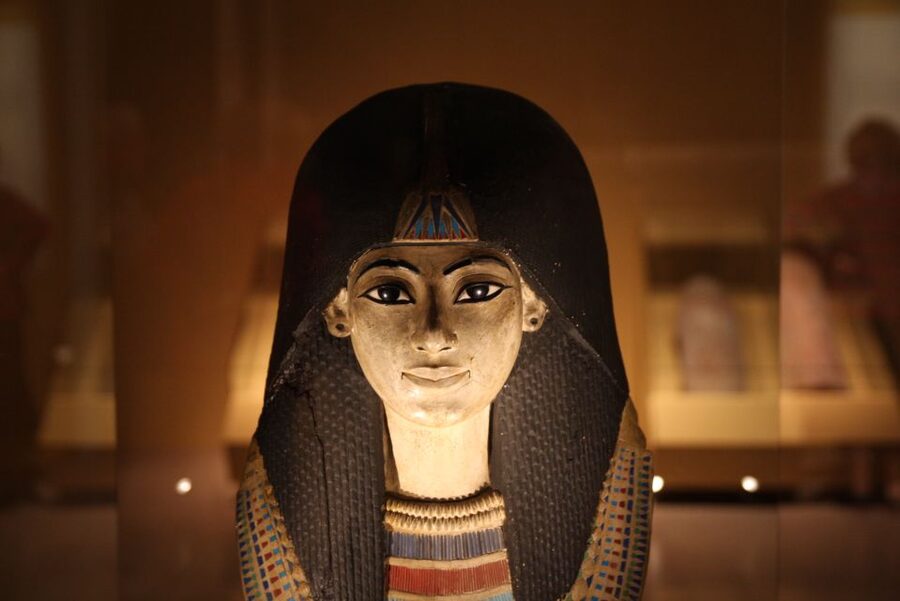
What I like most about the museum’s structure is how it keeps the big picture. The collection is divided into major groupings, and ancient history is one of the core parts, including Egypt, Greece, and Rome.
If you care about how civilizations link together, this section helps you see those connections without needing a history degree. You are not just looking at objects, you are walking through a timeline that starts with archaeological discoveries related to the birth of mankind and then moves across the ancient Mediterranean world.
A practical tip: treat ancient history like your first “information layer.” Spend enough time here to build names and mental images, then the later sections will make more sense. If you start too late, your brain may feel overloaded, and you will rush through the good stuff.
Egypt’s mummies and the Roman model that gives you instant context
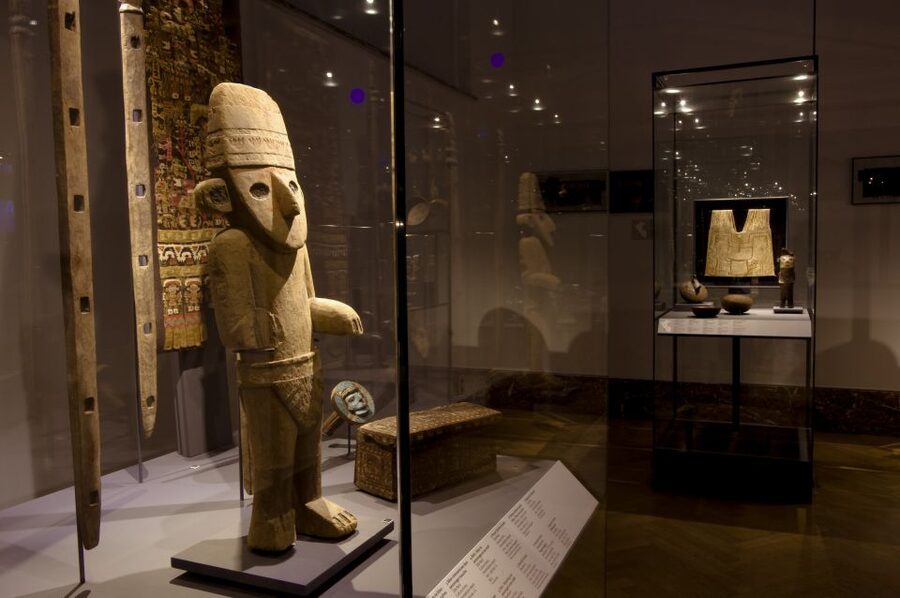
Two highlights do heavy lifting in the ancient-history experience. One is the Egyptian mummy theme, the other is the model of Roma.
The mummy content is one of those exhibits that naturally creates a pause. It is not only about the objects, it is about the way the museum frames the lives, beliefs, and funerary practices around Egypt. Even if you are not a dedicated Egyptology fan, it tends to stick because it feels dramatic and human.
Then there is the model of Roma, which is basically a cheat sheet for how a major city functioned. Models are underrated in museums, because they do what walls of text cannot. You can look, orient yourself, and suddenly you understand what you are seeing in the real artifacts.
If you are traveling with kids, these “big visual” moments help. Even if they do not catch every detail, they usually understand the main idea and stay engaged.
More Museums in Brussels
- Brussels: Atomium Entry Ticket with Design Museum Ticket
★ 4.4 · 9,254 reviews - Choco-Story Brussels: Chocolate Museum Entrance with Tasting
★ 4.3 · 4,883 reviews - Brussels: Chocolate Museum Visit with Workshop
★ 4.6 · 1,474 reviews - Brussels: Autoworld Museum Ticket
★ 4.7 · 1,301 reviews
European decorative arts from 10th to 20th century, plus the Art Nouveau and Art Deco finish
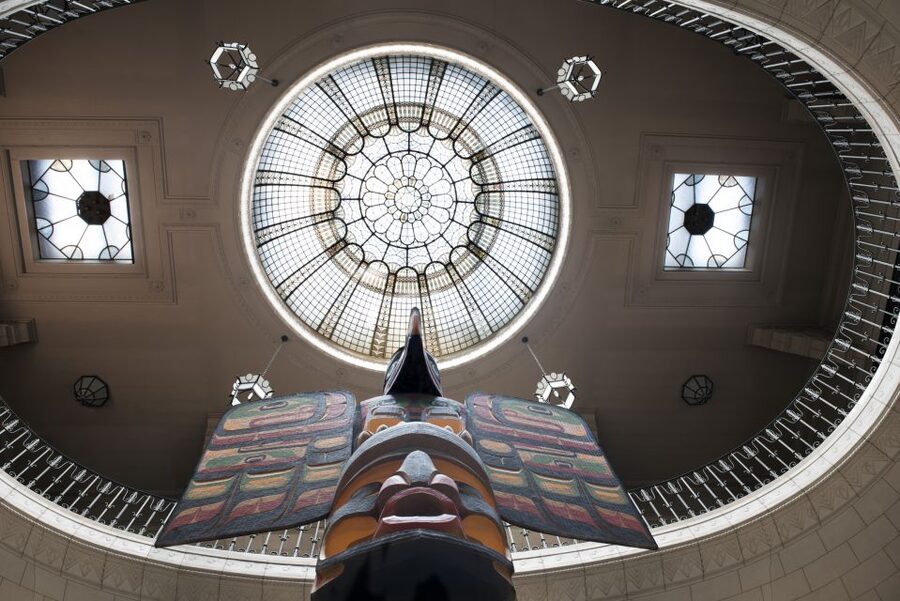
After the ancient sections, the museum shifts gears to European decorative arts, spanning roughly the 10th to the 20th century. This is the part that I think a lot of people underestimate, because it can feel less dramatic than mummies or city models at first glance.
But it is worth slowing down here. Decorative arts are where you can see how styles change when tastes, technology, and cultural influences change. You can move from older European craftsmanship into later movements, including Art Nouveau and Art Deco at the early 20th-century end of the arc.
If you like art that is functional as well as beautiful, this section delivers. It is also a good mid-visit reset if you feel museum-fatigued, because you can focus on design details and materials rather than only historical narratives.
The drawback is that decorative arts can become “detail dense.” If you tend to skim, set yourself a rule. Pick a few objects to really look at closely, then move on. That way you do not end up staring at everything and remembering nothing.
Non-European civilizations: Islamic world, India, China, and Asian Buddhas
One reason I recommend this museum is that the non-European collections are not treated as an afterthought. You get a dedicated group that includes the Islamic world, India, and China, with standout elements like Asian Buddhas.
This is the section where you can see how art travels across regions and how religious and cultural meaning shows up in form, posture, and symbols. If you want your Brussels visit to feel connected to the wider world, this is where it happens.
A practical note: your experience here depends on what you like to notice. If you enjoy iconography, you will likely spend time comparing shapes and styles across cultures. If you like stories, you will focus on what the museum context says these works represent.
I also find this part helpful for groups with mixed tastes. Someone who likes ancient Rome might love the idea of comparative civilizations, and someone who loves design might focus on artistic style. Both can find good moments.
Plan your one-day pacing, and respect the photo rules
Because this is a self-paced museum visit with entry tickets, your pacing matters more than any fixed schedule. You have a full day, but it is best used with a simple route in mind: start with the ancient-history groups, then move into European decorative arts, then finish with the non-European collections.
One key rule to know is that flash photography is not allowed. If you plan to take photos, use regular lighting and keep your camera settings in mind, or be ready to rely on what your eyes can capture without flash.
To keep the day from feeling like a marathon, I suggest building in small pauses. Stand back for a minute before reading labels. Then read just enough to understand what you are looking at. Repeat as needed.
If you are sensitive to crowds, arriving earlier in the day helps you keep your momentum. The museum’s size means you can always change pace, but you cannot easily change how tired you feel if you rush every hall.
Parc du Cinquantenaire picnic: the perfect low-key ending
I like the way this experience can end outside the museum. After you finish your last collection stops, you can step out into Cinquantenaire Park for an impromptu picnic.
This is not just a nice idea, it is a smart way to make your day feel complete. Museums can pull the energy out of you, and a park break gives your brain time to reset. Plus, the setting makes the whole visit feel like more than a checklist.
I suggest doing it simply. Bring something you can eat without fuss, then sit somewhere where you can watch people and decompress. If you are traveling with kids, this is usually when they become the most relaxed.
Price and value: is $11 per person a fair deal?
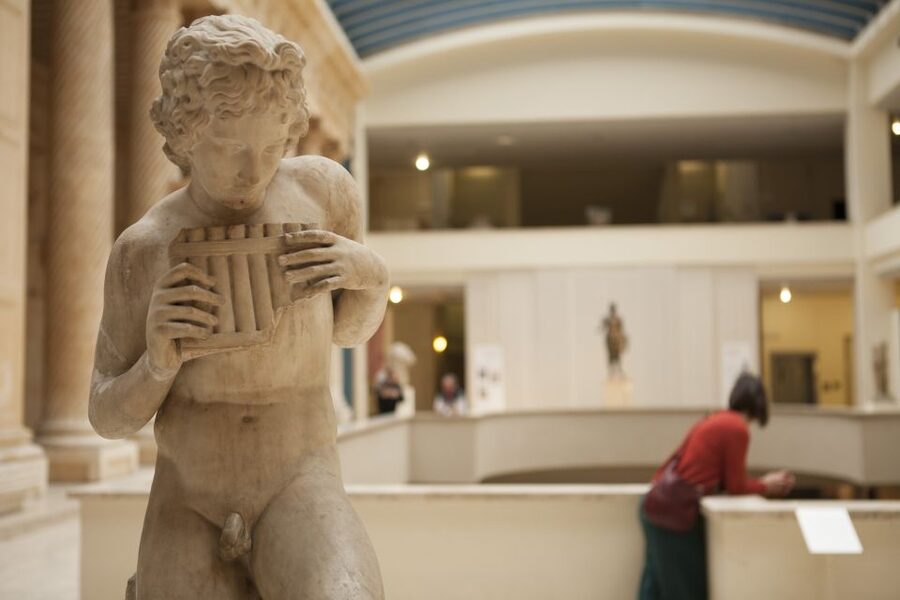
At around $11 per person for entry, this museum can feel like excellent value, especially because you are not just buying access to a few exhibits. You are getting a full museum experience that covers multiple big themes: ancient history, national archaeology, European decorative arts, and non-European civilizations.
Two things make the ticket feel like a value deal:
- It includes entry and also lets you skip the ticket line, saving time on arrival
- The museum is one of the largest Belgian museums, so you get enough material for a real day instead of a quick stop
Still, it is not perfect for everyone. If you only want modern art or only want one short style period, the breadth can feel like too much. If you love history and art across eras, the range is the point, and that is when the price feels especially reasonable.
Should you book this Brussels museum entry ticket?
Book it if you want a one-day museum that connects many eras and regions in one place. I think it is a strong choice if you are traveling with mixed interests, because the highlights include both story-driven history moments and visual design experiences. The model of Roma and the Egyptian mummy theme give you instant wow, and the non-European collections add depth without requiring extra travel.
Skip it only if you are the type who wants a tight, narrow focus for your limited time in Brussels. The museum is large, and that breadth is a feature, not a bug.
If you are doing a Brussels highlights day, this ticket is a smart anchor. Then you can build the rest of your schedule around it, and still end with that easy Cinquantenaire Park picnic.
FAQ
Where is the museum entrance?
The Royal Museums of Art and History entrance is at Parc du Cinquantenaire. It is not located next to Autoworld, so you need to walk around the corner and follow the signs to the entrance.
How long is the ticket valid for?
The ticket is valid for 1 day. You should check availability to see starting times.
What is included with the entry ticket?
The ticket includes entry tickets, and it allows you to skip the ticket line.
Is flash photography allowed inside?
No. Flash photography is not allowed.
Is the museum wheelchair accessible?
Yes. The activity is wheelchair accessible.
How do I get there by public transport?
The nearest stations are Merode and Schuman (within walking distance). Central Station is also an option with a metro connection to the museum. The nearest metro station is Schuman. Buses 22, 27, and 80 stop at Galliërs, and bus 61 stops at Merode. Trams 81 and 82 stop at Merode.
Is free cancellation available?
Yes. You can cancel up to 24 hours in advance for a full refund.
Reviewed lately in Brussels
- WWII Battle of the Bulge Private Guided Day Tour from Brussels★ 5.0 · 3 reviews
- Taxi Shuttle DE Brussels Airport < - > SPA (1 to 8 SEATS)★ 4.0 · 3 reviews
- Pub Trail Brussels: an adventure full of surprises★ 3.5 · 3 reviews
- Brussels Exploration Game and City Tour on your Phone★ 4.0 · 3 reviews
- Brussels : Must-See Attractions Walking Tour with a Guide★ 4.0 · 3 reviews
- Private Day Trip from Brussels to Bruges★ 4.5 · 3 reviews
- Leuven: City Walk with Audio Guide in 7 Languages on your Phone★ 3.0 · 3 reviews
- Brussels: Museum Halle Gate Entry Ticket★ 4.1 · 3 reviews
Museums, compared.
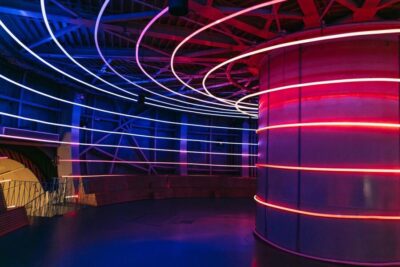
Brussels: Atomium Entry Ticket with Design Museum Ticket
Read our review →
Choco-Story Brussels: Chocolate Museum Entrance with Tasting
Read our review →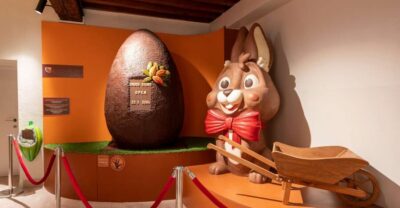
Bruges: Choco-Story Museum with Audio Guide and Tastings
Read our review →
Brussels: Chocolate Museum Visit with Workshop
Read our review →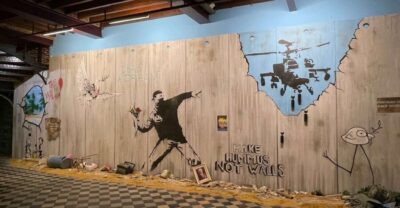
Brussels: The World of Banksy Museum Permanent Exhibition
Read our review →
Bruges: Chocolate Making Workshop and Chocolate Museum Entry
Read our review →Browse the lists this tour appears in