
Reviewed · TRAIN EXPERIENCES
From Brussels: Bruges and Ghent Full-Day Trip by Train
Bruges and Ghent in one day is interesting because it feels like hopping between two medieval time capsules, without the stress of driving. I love how the trip uses the train to keep things simple, and I also love that you get a full guided day with plenty of structure for first-timers. The one real tradeoff is that it’s a tiring day, with a lot of walking on uneven streets.
Here’s the good news: if you’re okay moving steadily and picking a couple of optional upgrades, you’ll leave with a strong sense of both cities. You’ll see the canal heart of Bruges, then pivot to Ghent’s cathedral, guildhalls, and castle, plus time for chocolate, beer, and Belgian classics like moules frites. If you hate crowds or hate walking, think twice.
Key things I’d watch for on this Bruges and Ghent day
- Sunday-only departure from Brussels, starting at Grand Place (you meet at 8:30, depart at 9:30)
- A guided Bruges walk first, about 2.5 hours, then room to wander and eat for roughly 2 hours
- Ghent cathedral stops that are art and architecture heavy, including Rubens and the option for the Mystic Lamb altarpiece
- Two paid add-ons you’ll want to budget for: an 8 EUR canal boat and a small fee for the Mystic Lamb altarpiece
- A lot of walking on uneven surfaces, so comfort matters more than style
Why this Bruges and Ghent combo makes sense by train
This day trip works because it’s designed around the rail connection between Brussels and the two Flemish cities. Instead of spending your energy on transport logistics, you’re free to focus on the walking, the churches, the squares, and the views.
Bruges is often the first draw: canals, brick guildhalls, and that postcard-perfect medieval core. Ghent follows in a different mood. It’s bigger and more layered, with Gothic architecture that feels grand, plus a lively old-town vibe around markets and riverside streets.
At $82 per person for a 10-hour guided day, the value is in what you get bundled together: guided time in two major sights plus round-trip transportation from Brussels. Your extra spending is mostly optional and concentrated, not scattered everywhere.
More Day Trips in Brussels
- From Brussels: Guided Day Trip to Bruges and Ghent
★ 4.6 · 8,353 reviews - Luxembourg and Dinant Day Trip from Brussels
★ 4.0 · 1,474 reviews - From Brussels: Bruges Day Trip with Boat Tour Option (ENG)
★ 4.6 · 1,352 reviews
Meeting at Grand Place Brussels and getting the day moving
You meet at the Grand Place in Brussels, in front of the Tourist Information Office, at 8:30 AM. Look for your guide holding a white umbrella. The trip’s start is scheduled for 9:30 AM on Sundays only.
This early start matters. It helps you arrive in Bruges while the streets are still manageable, and it gives you a workable flow for both cities without turning the day into a constant sprint. If you’re prone to slow mornings, set yourself up the night before, because there isn’t much slack built in.
Also pay attention to timing around departures back to Brussels. The scheduled return is at 17:00, with arrival around 18:00. For smaller groups, there’s sometimes an option to stay longer in one city and return later on your own, but don’t assume that will be available every day.
Bruges canal heart: Lake of Love and the Beguinage rhythm
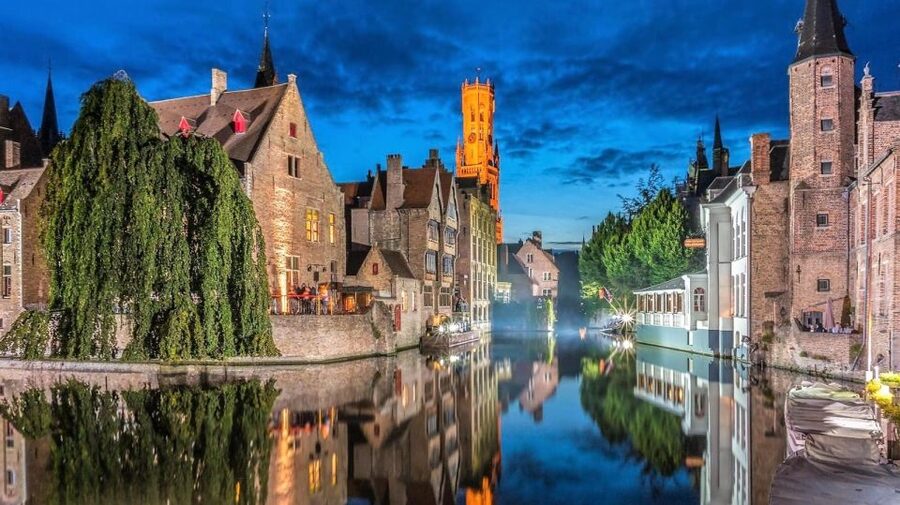
Bruges starts with walking, and that’s where the city really clicks. You’ll move past canal edges in the UNESCO-listed old center, with the water acting like a guide for your eyes and your photos. The route begins with spots that explain how the city functioned, not just how it looks.
One of the first standouts is the ancient city wall park, where you’ll see the Lake of Love, a key water reservoir that fed Bruges’ canal system. It’s a small stop, but it gives you context fast: canals aren’t just decoration here, they were infrastructure.
Next comes the Beguinage, one of the best-preserved medieval gated communities, historically reserved for women. This is the kind of place that makes you slow down. Even if you only get a short look, it helps you understand the social side of medieval life in a way that pure monuments can’t.
If you like places that blend quiet and history, this is one of the most worthwhile early sections.
Brewery De Halve Maan and Old St. John’s Hospital, two Bruges that feel alive
After the gated-community stop, the tour shifts into Bruges’ working heritage. Brewery De Halve Maan is highlighted as the only brewery still operating in the city center. That matters for your visit because it keeps Bruges from feeling like a museum with no present.
Then you’ll get to Old St. John’s Hospital, one of the oldest hospitals in Europe. You’ll appreciate around 800 years of European architecture and learn its history. There’s also an optional museum visit connected to Hans Memling. If you enjoy art and can spare the time, it’s a smart choice because it deepens the “hospital as institution” story with something tangible.
This part of the day is valuable because it changes the tone. You’re not only looking at towers and squares. You’re seeing buildings that served real human needs over centuries.
More Full-Day Tours in Brussels
- From Brussels: Full-Day Antwerp and Ghent Guided Tour
★ 4.6 · 1,019 reviews - From Brussels: Bruges Full-Day Trip by Train
★ 4.5 · 232 reviews - Private Full-Day Tour Bruges & Ghent from Brussels with tastings
★ 4.5 · 38 reviews - Private Tour: Ghent and Bruges From Brussels Full Day
★ 4.5 · 23 reviews
Our Lady of Bruges, Michelangelo’s Madonna, and the church-tower payoff
Next up is Our Lady of Bruges, one of the oldest churches in the city. The star here is the tower, still one of the tallest brickwork towers in the world. Even if you don’t go inside, the exterior is a big visual anchor for the day.
Inside, there are art treasures, including Michelangelo’s Madonna with the Child, with the option to see it if time allows. That optional aspect is important. Church visits can either be rushed or meaningful depending on scheduling, and this tour explicitly gives you the chance to add it rather than forcing it.
Practical note: church stops often mean uneven walking around entrances and stairs, even if the interiors are accessible in places. Bring shoes that can handle cobbles and steps without slipping.
Bruges squares and guildhalls: VisMarkt, Tanners’ Square, Burg and Markt
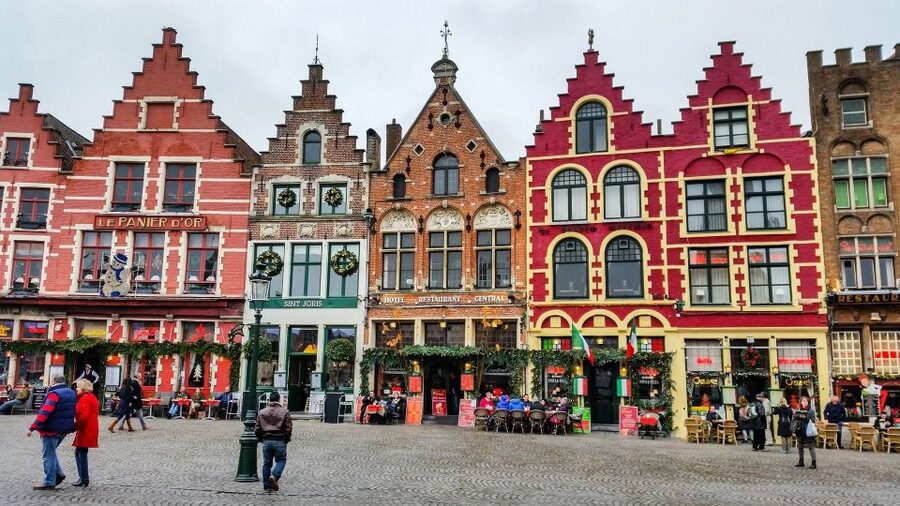
The tour then moves into Bruges’ older public spaces, the places where trade and craft power show up in architecture. You’ll stop by VisMarkt (fishmarket) and Tanners’ Square, both among the city’s oldest squares. Around here, the medieval guildhalls and the café life often mix in a way that makes the place feel lived-in rather than staged.
From there, the route continues toward Burg Square and Markt Square, described as the economic heart of Bruges. This is where you’ll see imposing guildhalls and the Belfort tower. If you want a Gothic Belgium snapshot in one frame, these are the spots.
You might also visit the Groeninge Museum as part of the guided flow. Museum time depends on how the day is paced, so don’t plan on this being your only museum stop. Bruges has enough art to fill days, and this tour is built to give you direction, not to turn you into a specialist by noon.
Free time in Bruges: boat views, chocolate, and the right pace for souvenirs
Once the guided portion in Bruges wraps up, you get about two hours of free time. Use it wisely. This is when you can eat, shop, and decide on a classic add-on: an optional canal boat tour.
The canal cruise is priced at 8 EUR per person and is paid while you board. In practical terms, this is one of the best ways to see Bruges without wearing yourself out further. The views from the water give you an angle on bridges and guildhalls that street-level walking can’t fully replicate.
This free block is also ideal for food. Try Belgian chocolates, and if you’re in the mood for something hearty, go for moules frites and a local beer. The tour isn’t a food tour, but it does give you the time window to make the local classics part of your day rather than letting them pass by.
If you’re the kind of person who needs a slow browse for souvenirs, this is your chance. For your sanity, don’t cram everything into the first 20 minutes. Use the remaining time to settle into the city.
Ghent arrives: Saint Bavo Cathedral and the art that explains the city
Now the trip pivots from Bruges to Ghent by train. Ghent feels more expansive and more complex. The tour immediately leans into that with Saint Bavo Cathedral, one of the main reasons people come.
You’ll admire the spectacular Gothic church structure and Baroque ornamentation. Then you step into the marble choir and private chapels. This is where Ghent goes beyond “big building” and starts talking about specific art works and spaces.
You’ll appreciate paintings by Rubens, including Saint Bavo Enters the Convent at Ghent, plus a Rococo pulpit. The Romanesque crypt’s frescoes are also part of the stop. Even if you only catch parts of it on a short guided schedule, the shift in styles helps you understand how Ghent evolved.
This cathedral segment is one of the most meaningful parts of the day, because it ties architecture to story.
The Mystic Lamb option and the payoff of choosing one extra ticket
There’s an optional stop for the altarpiece The Adoration of the Mystic Lamb by the Van Eyck brothers, with a small extra fee of 4 EUR. If you’re an art lover, this is often the moment you don’t want to skip.
But you should make the decision based on your own energy level. A day like this already has long walking stretches, and churches can be still, slow, and physically draining if you’re tired. If you’re hovering at your limit, you can skip the extra ticket and still leave with a strong cathedral experience.
If you do go in for The Mystic Lamb, it tends to become a highlight because it’s one of the most important Middle Ages art works linked to this cathedral experience.
City Hall, Belfort Tower, and market halls in Ghent
After the cathedral, the tour moves to civic power. City Hall is presented as a mix of Gothic, Renaissance, and Baroque architecture. That blend is part of what makes it interesting for a one-day visit: you’re seeing changing styles without needing separate trips to different eras.
Then you’ll head to the Market Hall area. Here, the Belfort Tower and the covered market are key. This is a practical stop as much as a scenic one, because covered markets are useful in case weather turns or you want a break from full sun.
You’ll also see nearby churches of Saint Nicholas, Saint James, and Saint Michael. Their presence helps you feel how the medieval city was organized around multiple parishes, not just one landmark.
Graslei guildhalls and the Leie River views you’ll remember
One of the most visual sections comes at the old port of Graslei, where you’ll get views over the river Leie and the classic old guildhalls lining the water.
This is a good place to stop and actually look, not just take pictures. The guildhalls along the river explain why Ghent became wealthy and how trade shaped the city’s public face. It also helps you compare the “water city” feel between Ghent and Bruges, even though they have different vibes.
If you’re short on photo time, prioritize this area. The river views are a payoff that your legs can justify.
Gravensteen castle and the Patershol food streets of Ghent
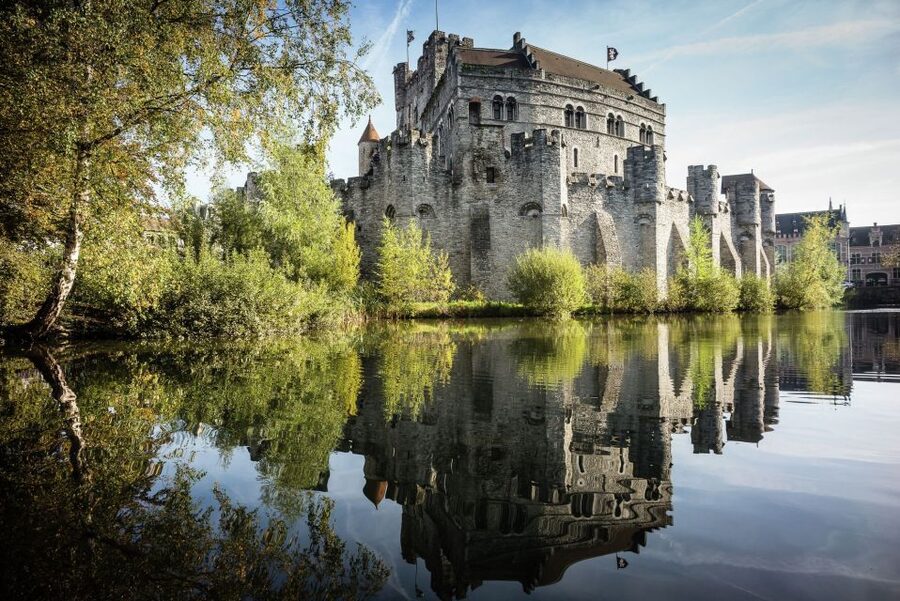
After Graslei, you’ll head to the medieval castle of Gravensteen, where the counts of Flanders once lived. Even if you just explore the main areas, the castle gives you a big sense of power and defense, which complements the cathedral and civic buildings you saw earlier.
Then the tour shifts to the picturesque district of Patershol, known for charming brick-faced buildings where restaurants and cafés offer some of the best Flemish cuisine. This is a section that feels like a reward, not just another appointment on a walking route.
If you have energy, this is also a great place to decide what to eat before the day ends. Keep it simple and choose something that won’t turn into a long sit-down, because the tour is still moving toward the final stops.
Great Butchers’ Hall: a late-day look at medieval markets
The final highlighted stop is the 15th-century Great Butchers’ Hall, described as one of Europe’s oldest meat markets. It sounds oddly specific, but that’s exactly what makes it memorable. It connects you to everyday medieval life, where food supply chains were central to the city’s rhythm.
By this point, you’ll likely feel the walking in your calves and feet. That’s where the day’s structure matters. You’ve been guided through major anchor points, and now you finish with a market building that puts everything into perspective.
If you’re thinking, this day is a lot, you’re right. The trick is to pace your choices earlier in the day and accept that you’re sampling, not mastering.
Price, pace, and what you should budget for
At $82 per person, this is a solid value if you want two top medieval cities without having to plan rail schedules, museum logistics, or route order yourself.
Included value:
- Guided tour with a local guide
- Transportation from and to Brussels
Not included value:
- A canal boat tour in Bruges for 8 EUR
- The extra paid option for The Adoration of the Mystic Lamb at 4 EUR
My advice: treat the two paid add-ons as menu choices, not requirements. If you’re on a tight budget, you can still have a great day by using the included time well. If you love views, add the canal boat. If you love art, add The Mystic Lamb.
Also plan for the real cost that isn’t on the receipt: energy. This trip is best for people who enjoy walking, can handle uneven surfaces, and don’t need long, independent museum wandering.
Guide style and group energy: what matters on days like this
A day trip lives or dies by the guide’s pacing. In the experiences shared, the guide named Louise or Louisa gets praise for being entertaining and organized, with enough stops for photos. That kind of rhythm matters because it reduces the stress of keeping up while still letting you enjoy the spaces.
One thing to keep in mind is that the welcome at the very start can feel a bit abrupt depending on the person staffing the check-in. Focus on your guide once the tour begins, because the guiding itself is where the day shines.
Who this Bruges and Ghent trip suits best
This is a great choice if:
- You’re seeing Belgium for the first time and want the highlights of both cities in one day
- You like medieval architecture, churches, and squares more than deep specialization
- You enjoy structured walking tours but still want a free window for food and shopping
It might not be ideal if:
- You want slow museum time and long indoor browsing
- You dislike lots of steps or uneven cobblestones
- You want to do many optional ticketed experiences on top of everything else
Should you book this Bruges and Ghent day trip?
If you’re in Brussels on a Sunday and you want a practical way to cover Bruges plus Ghent with a guide, I’d book it. The inclusion of train transport and a guided day is what makes it worth the money for most people.
Do book with your expectations set to match the format: it’s a highlight sampler, not a two-city deep dive. Wear comfortable shoes, plan your priorities (canal boat versus Mystic Lamb), and use the Bruges free time for food and souvenirs. If you do that, you’ll come away with strong memories, especially the river views of Graslei and the iconic tower moments in Bruges.
FAQ
What day of the week does this trip run from Brussels?
It departs from the Grand Place at 9:30 AM only on Sunday.
Where do I meet the guide in Brussels?
Meet at the Grand Place in front of the Tourist Information Office at 8:30 AM. The guide will be holding a white umbrella.
How long is the total trip?
The duration is 10 hours.
Is the canal boat in Bruges included in the price?
No. The optional canal boat tour costs 8 EUR per person and is paid while boarding.
Is the Mystic Lamb altarpiece included?
No. Entrance to The Adoration of the Mystic Lamb by the Van Eyck brothers costs 4 EUR extra.
What languages are offered for the guide?
Spanish, English, and French.
How much walking should I expect?
Expect a lot of walking, including on uneven surfaces. Comfortable shoes are a must.
What time will I be back in Brussels?
The scheduled return is at 17:00, with arrival in Brussels around 18:00 with your guide. For small groups, there may be an option to stay longer and return later on your own.
More Rail Trips from Brussels
- Brussels: Train World Museum Entrance Ticket
★ 4.7 · 524 reviews - Brussels Train World Museum Entrance Ticket
★ 4.5 · 220 reviews - Bruges: 2.5-Hr Walking Tour from train station to Markt
★ 4.6 · 44 reviews - From Brussels: Bruges by Train with Guided Tour & Boat Ride
★ 4.9 · 7 reviews
Reviewed lately in Brussels
- WWII Battle of the Bulge Private Guided Day Tour from Brussels★ 5.0 · 3 reviews
- Taxi Shuttle DE Brussels Airport < - > SPA (1 to 8 SEATS)★ 4.0 · 3 reviews
- Pub Trail Brussels: an adventure full of surprises★ 3.5 · 3 reviews
- Brussels Exploration Game and City Tour on your Phone★ 4.0 · 3 reviews
- Private Day Trip from Brussels to Bruges★ 4.5 · 3 reviews
- Brussels : Must-See Attractions Walking Tour with a Guide★ 4.0 · 3 reviews
- Leuven: City Walk with Audio Guide in 7 Languages on your Phone★ 3.0 · 3 reviews
- Brussels: Museum Halle Gate Entry Ticket★ 4.1 · 3 reviews
Train Experiences, compared.
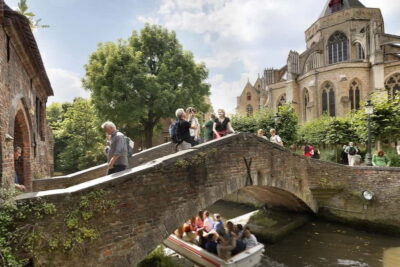
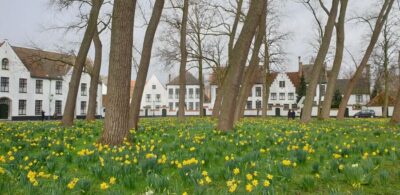
Bruges: 2.5-Hr Walking Tour from train station to Markt
Read our review →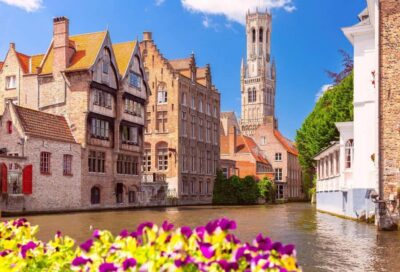
From Brussels: Bruges by Train with Guided Tour & Boat Ride
Read our review →Browse the lists this tour appears in