
Reviewed · MUSEUMS
Mons : the Mons Memorial Museum
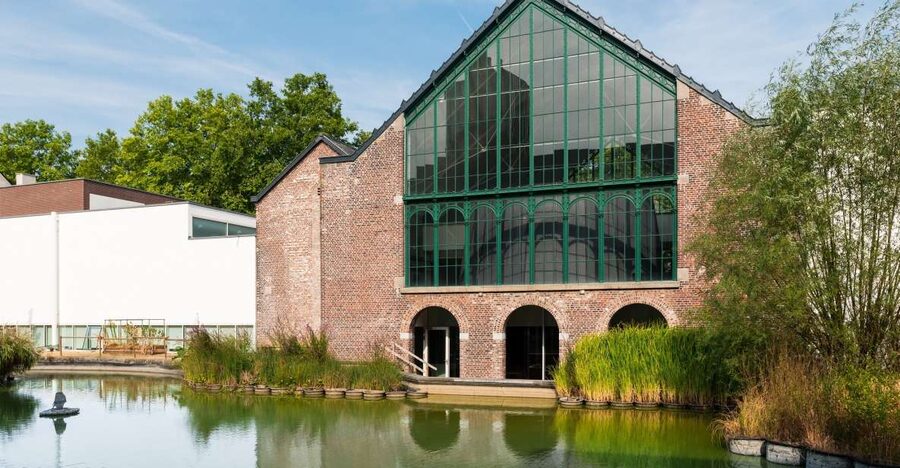
The Mons Memorial Museum is interesting because it frames war as something you can almost picture, daily routines, fear, shortages, and choices made far from home. You move through centuries of conflict, and the museum keeps pulling you back to the same question: what does war do to ordinary people, soldiers and civilians alike?
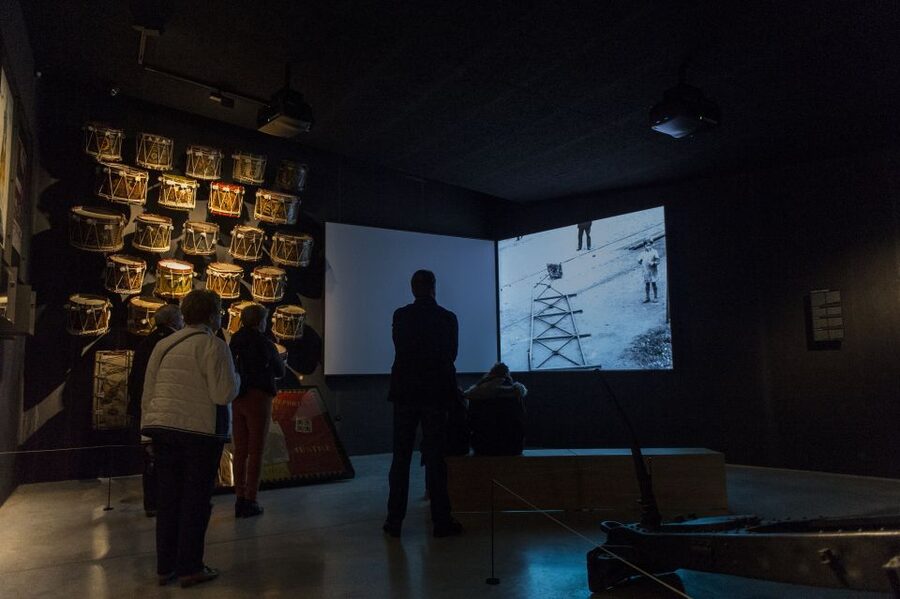
I love the way the exhibits use personal records like diaries, letters, and postcards. It feels less like a battle recap and more like a slow, human timeline. I also like the concrete WWI details, including a preserved bread ration in a bottle and the first one-tonne German bomb from 1917. One consideration: your ticket is for entry only, there is no guided tour or audio guide included, so you will want to read closely and take your time.
Key Things You Should Know Before You Go
- Entry-only ticket: no guide or audio is included, so expect self-guided reading
- Long timeline of conflict: the story runs from the Middle Ages through WWII
- Civilian and military together: the museum keeps comparing who suffers and how
- WWI artifacts you can see: including German bomb material and a preserved ration
- Veteran voices at the end: recorded interviews plus diaries, postcards, and letters
A Museum That Turns History Into Daily Life
If you think most war museums are all uniforms, maps, and big moments, this one is a useful correction. The Mons Memorial Museum focuses on the day-to-day reality of conflict. That means you are not only learning what happened, you are also learning what it felt like to live through it, and how civilians and soldiers collided in the same world.
You will see the museum ask hard, basic questions. How are civilians affected when fighting moves nearby? What changes when an area shifts from peace to occupation? And how do soldiers process what they are doing and what they are seeing? The exhibits are built to keep you thinking, not just watching.
There is also a practical bonus. Because it is self-guided, you can pace yourself. If you want to spend extra time on one kind of artifact, you can. If you prefer reading letters for a full session, you can do that too.
More Museums in Mons:
- Mons : The Doudou Museum
★ 4.2 · 5 reviews - Brussels: Atomium Entry Ticket with Design Museum Ticket
★ 4.4 · 9,254 reviews - Choco-Story Brussels: Chocolate Museum Entrance with Tasting
★ 4.3 · 4,883 reviews
Your 1-Day Game Plan Inside the Mons Memorial Museum
This is a one-day visit with no added tour structure. So the best way to enjoy it is to treat it like a guided walking route you build yourself.
Plan on an unhurried start. You will want to show up at the time slot you selected, and you will present the entry ticket you receive by email at the museum welcome area.
Once you’re inside, your visit naturally falls into sections, because the museum moves through time and theme. Expect a progression that begins with earlier conflicts and then carries you forward. The final portion leans heavily on veterans, where recorded interviews and their written materials bring the earlier displays into sharper focus.
Start Where the Museum Starts, the Middle Ages and Beyond
You begin by seeing how far back the story of war’s impact goes. This matters, because it prevents the common WWI and WWII tunnel vision. Even when the museum later concentrates on the 20th century, you understand that war is not a modern invention, it is a recurring human experience.
As you move through these earlier sections, you are not just learning facts. You are getting a sense of how war disrupts normal life. Supplies run short. People get displaced. Communities adjust or fracture. It is the same core stress pattern across centuries, just with different technologies and pressures.
If you like museums that make you work a little, you will enjoy this. The displays push you to connect civilian life and military reality rather than treating them as separate stories.
Follow the Thread Into Civilian Life During Peace, War, and Occupation
One of the strongest ideas in the museum is the relationship between civilian and military populations. You will repeatedly see how civilians are pulled into the orbit of armed conflict, sometimes as victims, sometimes as essential workers, sometimes as forced participants.
What I like about this approach is that it helps you avoid a simplified story of good guys and bad guys. It also makes the museum emotionally honest. War changes daily schedules. It changes where food comes from. It changes the risks of simply going about your day.
If you are traveling with teens or adults who get restless in long museum settings, this is a good structure. It gives you recurring points of comparison. You can keep asking, what is different now, compared to peace?
Something different while you are in Mons:
- Mons : The Van Gogh House
★ 3.9 · 22 reviews
Hit the WWI Rooms for the Objects You Can Actually See
WWI is a major anchor in this museum’s material. This is where your eyes start to believe what your brain already knows.
You will see artifacts that make the scale feel real. Among the most striking items are German bombs tied to WWI history, including the first one-tonne German bomb from 1917. Seeing that size and knowing what it meant for a region gives you a visceral sense of what communities endured.
Another standout is the preserved bread ration in a bottle. It is small in a way that makes it powerful. It turns the abstract idea of shortages into a physical thing you can pause in front of. When you are thinking about rationing, survival, and morale, this kind of object lands.
If you do not usually care about ordnance and hardware, you still get value here because the museum uses these artifacts to explain daily consequences. The point is not to show weapons for shock. The point is to show the human cost around them.
Read the Letters and Diaries, Then Let the Interviews Do the Rest
As you progress, the museum leans into the written record. You will encounter soldiers’ diaries and letters to loved ones, along with postcards. This is one of the most meaningful ways museums can teach. Paper slows you down. You cannot skim a diary the same way you can skim a label.
I especially like how the museum includes veteran interviews recorded for posterity. The timing matters. You experience the earlier exhibits first, with all the history and objects. Then you end with voices, where the past becomes something someone lived rather than something you watched on a timeline.
There is also mention of an exhibit connected with Didier Mahieu that can be particularly moving. If you spot the display, pause long enough to let it sink in rather than treating it like another stop on your route.
How to Pace Yourself So It Does Not Feel Overwhelming
This museum deals with heavy material. That is a compliment, not a complaint. But you should pace it so you do not burn out.
My practical advice:
- After reading a set of letters, take a short visual break on artifacts.
- If you feel stuck in a loop of sadness, switch rooms briefly to the more “everyday life” displays.
- Keep one hour as flexible buffer time. You might spend longer than you expect on the diaries and ration displays.
If you do not do this, the last section, with interviews and personal papers, can feel like a wall. You will enjoy it more if you arrive at the end with your attention still fresh.
Why the Self-Guided Format Can Be a Strength
A guided tour or audio guide would help some people, and it is fair to want that. But the entry-only format can also work well if you like museums that reward careful reading.
Because you are not tied to a group schedule, you can:
- go back to a WWI object you keep thinking about
- linger over diary or letter excerpts
- adjust your pace depending on how intense each room feels
The trade-off is obvious. You have to supply your own context by reading what is there. If you are the type who rushes museum signs, you might feel like you missed something. If you like to slow down, this setup is often ideal.
The museum also operates with languages that cover most visitors well, French, English, and Dutch. That helps you stay in your comfort language while you absorb the material.
Practical Details That Affect Your Day
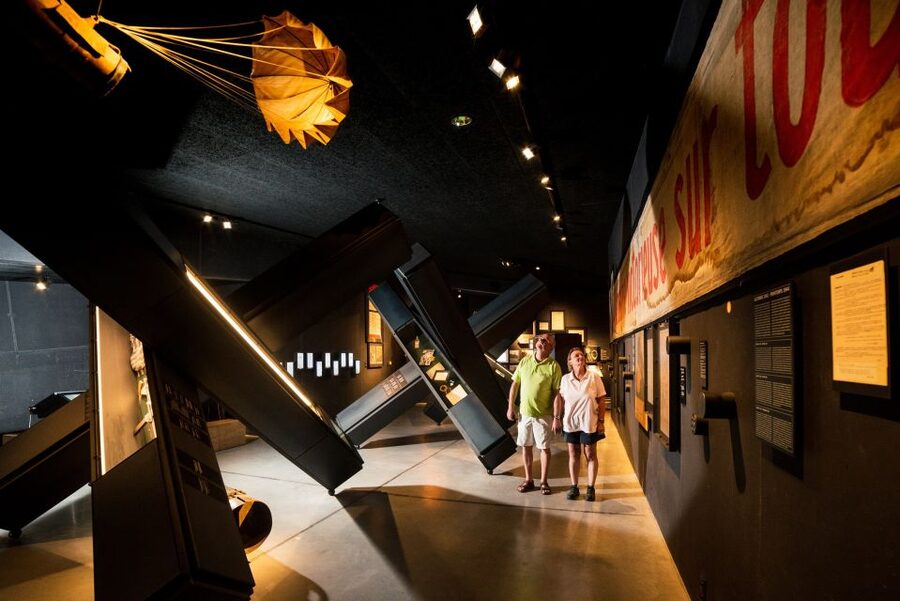
This museum is in Wallonia, Belgium. A one-day visit works nicely if you are already basing yourself in the Mons area or using Mons as a stop between larger Belgian destinations.
Expect staff who can help you. On at least one visit, people note the staff are extremely kind, which matters in a museum with emotional content. When you need directions or a calm explanation, that kind of service improves the experience.
Also plan around the time slot. You are asked to present at the chosen scheduled window, and your email ticket is what you show at the welcome area. This is straightforward, but it does require you to have your email ready and your timing sorted.
What Kind of Visitor This Museum Fits Best
This is a great choice for you if you want war history that pays attention to people. You will likely enjoy it if you like:
- diaries and letters as primary sources
- exhibits that compare civilian life and military life
- WWI material that connects objects to shortages and survival
It is also a good stop if you are traveling with someone who gets turned off by overly technical military history. The museum does not only show hardware. It frames the everyday consequences and the human record behind the hardware.
If you want something light and casual, this will not be that kind of museum. But if you want meaning, clarity, and a visit that sticks with you, it delivers.
Price and Value for an Entry-Only Ticket
At about $11 per person, the value is strong, especially because you get a full museum visit experience that spans multiple eras and includes both artifacts and personal records.
You are not paying for a guide. You are paying for access to the exhibits, and the content is dense enough that you can easily turn an hour into more. If you are a careful reader and you plan to slow down, the price-to-time ratio feels very reasonable.
If you know you prefer guided interpretation, you might still enjoy it, but you should compensate by doing a little reading beforehand or by preparing a list of questions you want answered while you’re there.
Should You Book the Mons Memorial Museum?
Yes, you should book if you want a museum that treats war as lived experience, not just a list of battles. The combination of centuries of context, WWI objects like the one-tonne German bomb from 1917 and the preserved bread ration, and the ending with veteran interviews and written documents gives you a complete emotional and educational arc.
Skip it or reconsider only if you strongly dislike self-guided museums, because there is no guide or audio included with your ticket. Also, if you are looking for an upbeat, casual outing, this is not that. But if you want honest history that helps you understand what civilians and soldiers endured, this is a very solid bet.
FAQ
How much does the Mons Memorial Museum cost?
The price is listed as $11 per person.
How long should I plan for the visit?
You should plan for about 1 day.
Is a guided tour or audio guide included?
No. A guided tour and an audio guide are not included.
What languages are available at the museum?
The museum offer materials and hosting in French, English, and Dutch.
Do I need to arrive at a specific time slot?
Yes. You are asked to present yourself within the chosen time slot.
How do I get my entry ticket?
You receive your ticket by email, and you present it at the museum reception.
Is the museum wheelchair accessible?
Yes, it is listed as wheelchair accessible.
Reviewed lately in Mons
- Mons : City Center Bike Rental for Sightseeing & Exploring★ 4.4 · 6 reviews
- Mons : The Van Gogh House★ 3.9 · 22 reviews
- Mons : The Doudou Museum★ 4.2 · 5 reviews
- Mons : The Belfry★ 3.6 · 17 reviews
Museums, compared.
Brussels: Atomium Entry Ticket with Design Museum Ticket
Read our review →
Choco-Story Brussels: Chocolate Museum Entrance with Tasting
Read our review →
Bruges: Choco-Story Museum with Audio Guide and Tastings
Read our review →
Brussels: Chocolate Museum Visit with Workshop
Read our review →
Brussels: The World of Banksy Museum Permanent Exhibition
Read our review →
Bruges: Chocolate Making Workshop and Chocolate Museum Entry
Read our review →Browse the lists this tour appears in