
Reviewed · MUSEUMS
Antwerp: Royal Museum of Fine Arts Entry Ticket
KMSKA in Antwerp is interesting because it lets you read art history like a single story, not separate eras. In one visit you can move from 700 years of art to today’s art without feeling like you’re switching museums. I especially like the world-class Ensor collection and the way the museum pairs old masters with modern and contemporary artists in the same flow.
The one thing to plan for is pacing. Without a guided tour, a museum this big can feel like you’re rushing, and the ticket covers the permanent collection, while temporary exhibitions depend on room capacity.
Key highlights to plan around
- James Ensor’s collection is the museum’s big calling card, with masks and mystery that hit fast.
- Rubens, Van Eyck, and Magritte give you three different ways to see painting, from color and movement to precision and symbolism.
- Rik Wouters appears for a second kind of energy, lightness and power in a human, grounded way.
- Modern and contemporary works include Marlene Dumas and Berlinde De Bruyckere, with vulnerability front and center.
- Historic halls plus modern spaces means you’re not just looking at art, you’re also inside a visual experience.
KMSKA Antwerp: a one-ticket day that feels like a time machine
If you like art that changes your mood, KMSKA is a smart choice. You’re not stuck in one style. You’re also not stuck in one building era. The Royal Museum of Fine Arts Antwerp, KMSKA, is designed so your eyes keep adjusting as you move through historic rooms and modern galleries.
I love that the museum is built around major names you already know, but it still has room for discoveries. You’ll see the kind of works that make you slow down, then a section that makes you question what you’re looking at. That back-and-forth is the real payoff of this ticket.
One practical note. A 1-day entry ticket is exactly that, entry. It’s not a guided storyline. If you want a curated route, you’ll have to create your own priorities. The good news is the museum gives you tools like a free museumapp, plus free WiFi and lockers so you can move comfortably.
More Museums in Antwerp:
- Brussels: Atomium Entry Ticket with Design Museum Ticket
★ 4.4 · 9,254 reviews - Choco-Story Brussels: Chocolate Museum Entrance with Tasting
★ 4.3 · 4,883 reviews - Bruges: Choco-Story Museum with Audio Guide and Tastings
★ 4.2 · 1,825 reviews
Start with logistics: where to get in and how to get your bearings
KMSKA sits in Antwerp’s city rhythm, easy by tram and bus. If you’re using public transit, tram line 4 stops at Museum, and trams lines 1 and 10 stop at Bres, about 500 meters from the museum. For planning routes, use De Lijn.
If you ride a bike, you’ll find several Vélo stations nearby. There’s also secure bicycle parking at parking Steendok, under the Gedempte Zuiderdokken. That matters here because you’ll likely spend a long day walking indoors, and having a stress-free bike setup helps your energy.
Inside, I like that you get free lockers. You’ll be glad for this once you’re in the galleries and you don’t want to carry a heavy day bag. There’s also free WiFi and a free Museumapp, which makes it easier to self-guide without feeling totally lost.
What you actually get: permanent collection only, plus room-dependent temporary shows
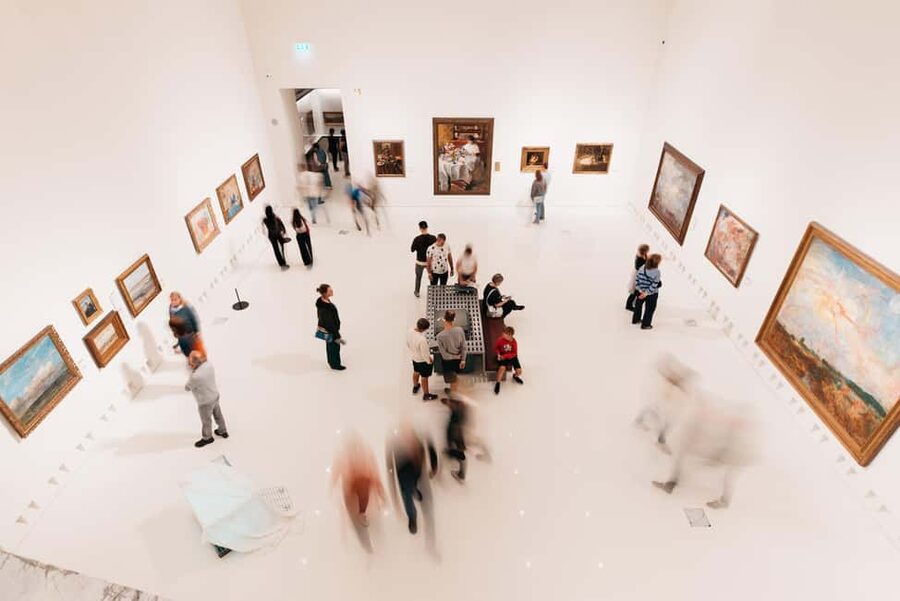
This ticket includes access to the permanent collection in both historic and modern art galleries. You can also use the museum’s app and facilities like lockers and WiFi.
Temporary exhibitions are the only big “maybe.” Access to temporary shows can be granted depending on the exhibition room capacity. Translation: you might get extra, but you should not build your day around it. If temporary rooms are full, you’ll still have plenty to do with the permanent collection.
There’s no guided tour included with this ticket. That’s fine if you enjoy moving at your own pace. If you prefer someone to set the order and give quick context, you might want to look into a guided option directly with KMSKA, especially for larger groups.
A smart self-guided route through the museum’s eras

You can think of KMSKA as a long walk through changing art languages. The permanent collection includes old masters, modern masters, and contemporary names. Your job is to decide how you want to experience the contrast.
I recommend splitting your day into three big chunks, then leaving breathing room.
More days in Antwerp:
- Historical Walking Tour: Legends of Antwerp
★ 5.0 · 1,837 reviews - Antwerp: City Highlights Walking Tour
★ 4.7 · 816 reviews - Antwerp: City Highlights Guided Bike Tour
★ 4.7 · 529 reviews - Antwerp: Historical Walking Tour in the Old City
★ 4.8 · 373 reviews
1) Old masters and the big anchors
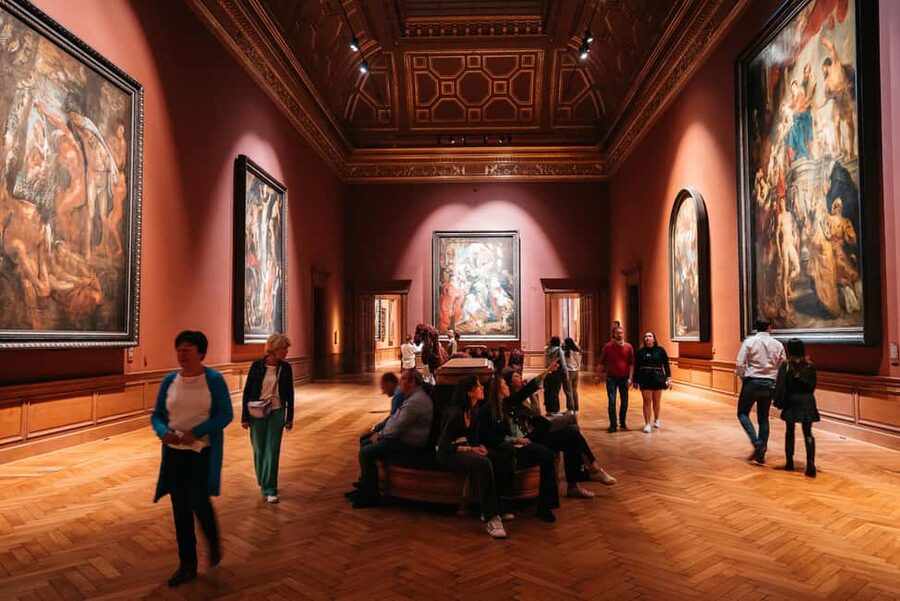
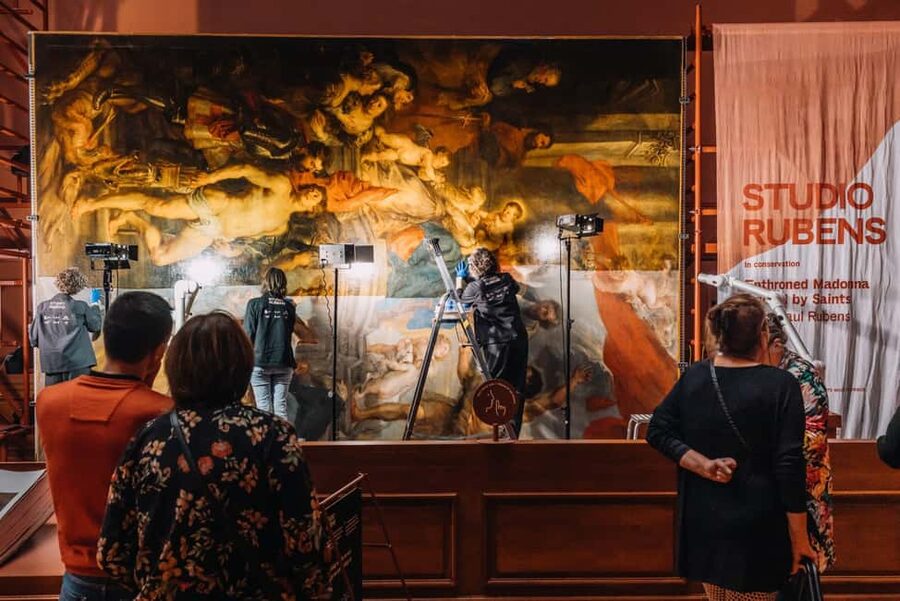
You’ll meet Peter Paul Rubens with all the movement and color you’d expect from his reputation. This is the kind of work where you can feel energy even before you know the subject. Give yourself permission to stand closer than you normally would. Rubens is all about flow and impact.
Then you’ll get to Jan van Eyck, where the museum slows down in a different way. Van Eyck is about meticulous detail. This is the part of the visit where you’ll start noticing textures, tiny visual cues, and the careful precision that makes painting feel almost constructed.
After those, look for James Ensor. The highlights specifically note the museum’s status for Ensor, and you’ll see why. Expect masks and mystery, and a tone that feels a little unsettling in the best way. Ensor is a strong middle of the day stop because he shifts your attention from realism to imagination and metaphor.
2) Modern art that changes the emotional temperature
Once you’re warmed up by the old masters, you can feel the museum switch gears. You’ll encounter Rik Wouters, known here for work that shows both lightness and power. This part is useful if you’re tired of only epic drama or only historical precision. Wouters tends to feel human, not distant.
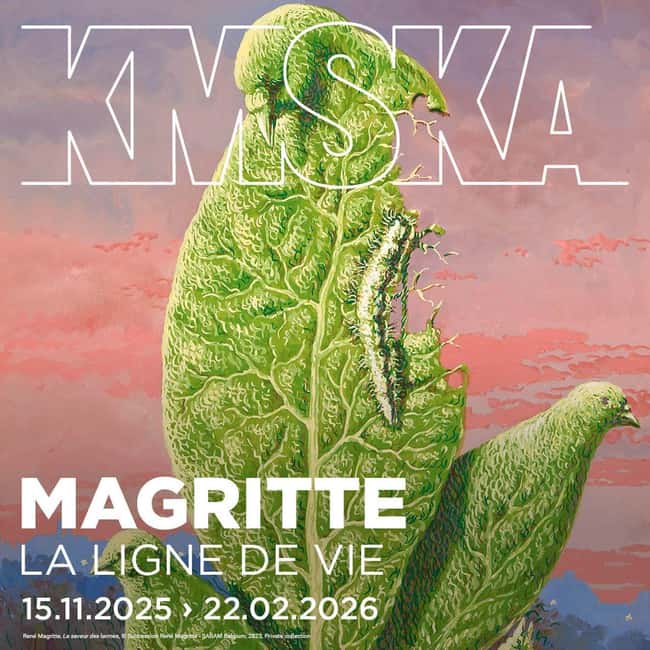
The museum also points you toward Symbolist and surreal-leaning presence, including Magritte. If Rubens is motion, and Van Eyck is precision, Magritte is the logic-breaker. You’re meant to think, feel, and then question what you just accepted as normal.
3) Contemporary art that sticks around after you leave
KMSKA doesn’t treat contemporary work like an add-on. It places it so you can compare. You’ll see names such as Marlene Dumas and Berlinde De Bruyckere. Based on how this museum describes their presence, you should expect art that exposes the human condition, including vulnerability.
When you reach this section, change your viewing style. Instead of scanning for famous details, let the piece sit with you. Read the title if you need a foothold, then give yourself a minute or two without trying to solve it. This is where a self-guided visit can actually shine, because you can spend longer where you personally connect.
The contrast game: how old and new art talk to each other here

KMSKA’s real strength is how it makes comparisons feel natural. The museum narrative is basically a loop: old works create expectations, modern works disrupt them, and then you return to older pieces with sharper attention.
That contrast shows up in the theme of the visit: you notice contrasts, silences, and stories that linger. Silence might sound like a vague word, but in a museum it matters. Some galleries encourage you to stand still, while others push you forward. When you notice that rhythm change, your visit feels less like a checklist.
The museum is also described as a place where culture “breathes,” meaning it isn’t only paintings in frames. Even within a ticketed visit, you can sense that KMSKA functions like a creative hub, with programming such as live performances and activities, plus special late-night experiences called KMSKA LAAT. You may not get those events every day, but it helps explain why the museum feels alive rather than static.
Temporary exhibitions: how to handle the uncertainty without losing your day
Because temporary access depends on room capacity, you should treat temporary exhibitions like bonus points, not must-sees. When you arrive, check what’s open. If you can get into a special exhibition room, great. If not, shift your focus back to the permanent collection and don’t waste time trying to force it.
A tip from a practical timing mindset: going at 10:00 a.m. can mean fewer visitors. That gives you more breathing room for works that reward close looking, especially if you want to spend extra time with details in van Eyck or the unsettling atmosphere around Ensor and masks.
Make the most of the architecture, not just the paintings
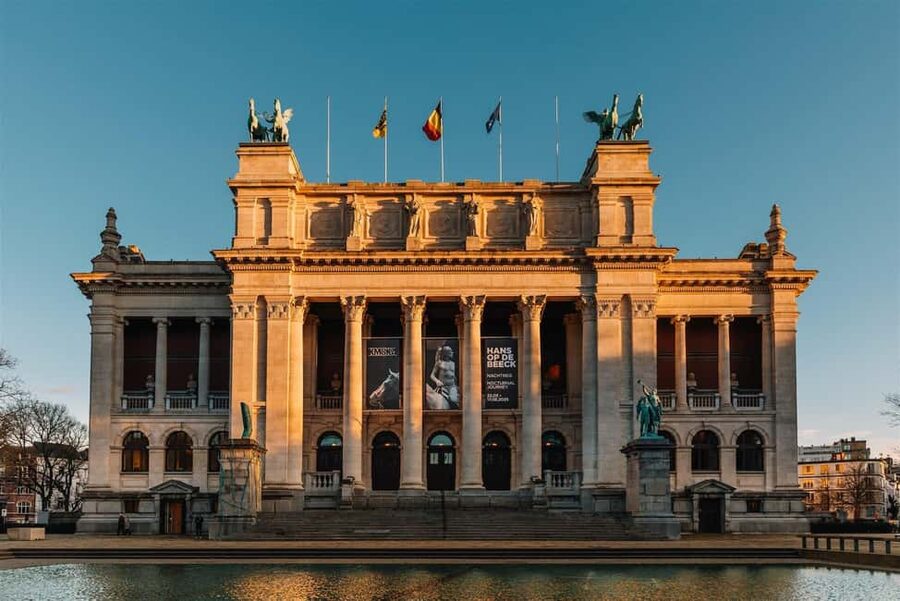
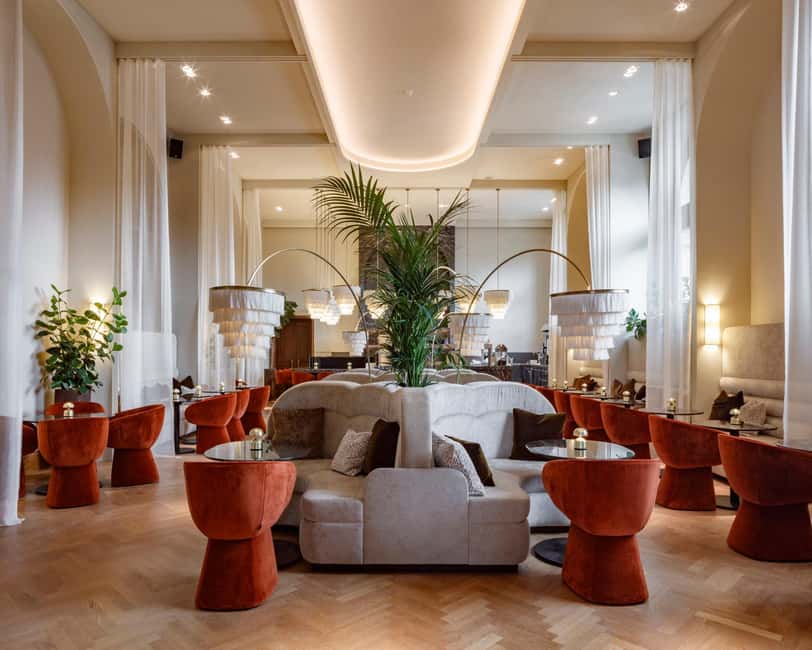
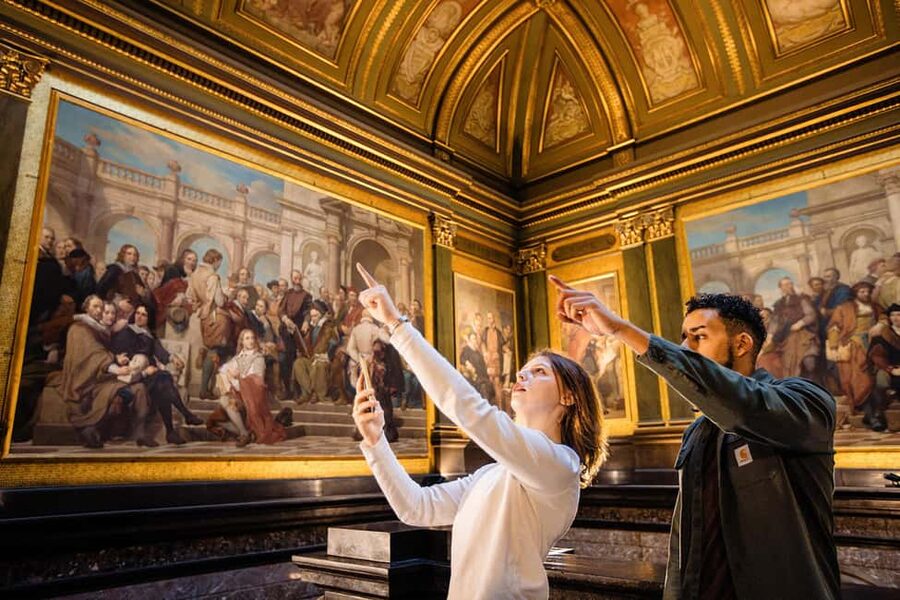
The museum experience is not only about the art on the walls. The highlights call KMSKA an architectural gem where historic halls and modern spaces meet. That matters because your brain processes art differently in open, bright areas versus quieter historic rooms.
Plan to notice transitions. Take a short pause between “old” and “modern” sections. It helps you keep the day from feeling like one long corridor. Also, pay attention to how sight lines work. Some modern galleries may feel more airy, while historic halls might demand slower pacing. When you match your viewing tempo to the space, the museum feels more intentional.
Photography rules and house rules: quick things to know so you do not get stopped
You can take personal-use photography and video, but you cannot use flash, tripods, or selfie sticks. That’s worth knowing early because it can affect how you frame your shots in tight galleries.
Also, there are clear rules: no pets (except assistance dogs), and no smoking and no scooters. Keep an eye on visitor regulations and house rules on KMSKA’s website if you want the exact wording.
Timing: how long to spend and why Thursday nights change the feel
You get a 1-day ticket, and that’s perfect for this museum because you do not need to rush the story. For planning, the hours are:
- Weekdays: 10:00 a.m. to 5:00 p.m.
- Saturday, Sunday, and official holidays: 10:00 a.m. to 6:00 p.m.
- Thursdays: 10:00 a.m. to 10:00 p.m.
- Closed: 25 December and 1 January
If you can swing a Thursday, the extended hours can change the whole visit. A longer day means you can skip the frantic “see everything” approach and settle into the works that actually grab you. You also have more room for breaks, and breaks matter for attention span in a museum like this.
Price and value: what $27 gets you if you pace well
At $27 per person, the ticket price is fair for a museum day that can realistically stretch into a full gallery marathon. You’re paying for access to the permanent collection across both historic and modern spaces, plus practical perks that make your day easier: free lockers, free WiFi, and the free museumapp.
Is it worth it? Yes, if you like major-name art and you like comparison. KMSKA works best when you are open to shifts in mood and style. It’s less ideal if your taste is narrow and you only want one era. In that case, you might feel you’re paying for more art than you need.
Also remember what is not included: guided tour is not part of the ticket, and temporary exhibitions are not guaranteed. That does not reduce value, but it does mean you should plan to enjoy the permanent collection as the main event.
Who this museum visit is best for
This is an excellent match if you:
- Like classic masters and want high-impact works in one place
- Enjoy contrasts, from precision to symbolism to contemporary vulnerability
- Prefer a flexible visit where you can choose what to focus on
- Want a museum that can make you slow down, not just move along
It’s less ideal if you:
- Want a fully guided walkthrough with an included guide
- Only want temporary exhibitions
- Get overwhelmed by large self-paced spaces without a clear route
Should you book the KMSKA Royal Museum of Fine Arts Antwerp entry ticket?
Book it if you want a strong art day with famous anchors like Rubens, Van Eyck, Ensor, and Magritte, plus modern and contemporary names like Rik Wouters, Marlene Dumas, and Berlinde De Bruyckere. For the price, you’re getting a lot of ground across centuries, and the museum structure helps the comparisons feel natural.
Skip or reconsider if you want a guided tour included, or if your schedule only allows one tight hour. This museum rewards time and a calmer pace.
If you do book, arrive ready to choose. Don’t try to see everything. Pick a few “anchor” artists, then let the rest of the galleries surprise you. That is where KMSKA delivers its best memories.
FAQ
What is included with the Antwerp KMSKA fine arts entry ticket?
The ticket includes access to the permanent collection in both historic and modern art galleries, plus free lockers, free WiFi, and a free Museumapp.
Does the ticket include temporary exhibitions?
Temporary exhibitions are not automatically included. Access to temporary exhibitions may be granted depending on the capacity of the exhibition rooms.
How long does the activity last?
The ticket is valid for 1 day.
Where is the museum and how do I get there by tram?
You can reach the museum with tram line 4, getting off at the Museum stop. Trams line 1 and line 10 stop at the Bres stop, about 500 meters from the museum.
Can I take photos inside the museum?
Yes, photography and video recording are permitted for personal use, except you cannot use flash, tripods, or selfie sticks.
What items are not allowed in the museum?
Pets are not permitted, except assistance dogs. Smoking, and scooters are also not permitted.
What are the opening hours?
Weekdays are 10:00 a.m. to 5:00 p.m., and Saturday, Sunday, and official holidays are 10:00 a.m. to 6:00 p.m. Thursdays are 10:00 a.m. to 10:00 p.m. The museum is closed on 25 December and 1 January.
Is the museum wheelchair accessible?
Yes, the activity is listed as wheelchair accessible.
Reviewed lately in Antwerp
- Surprise tour of Antwerp guided by a Local★ 5.0 · 3 reviews
- Historical Old Harbour Boat Tour in Antwerp★ 5.0 · 3 reviews
- Discover Antwerp while playing! Escape game – The alchemist★ 4.5 · 4 reviews
- Discover the secrets of Antwerp while playing! Escape game★ 4.5 · 6 reviews
- Antwerp: Private custom tour with a local guide★ 4.5 · 6 reviews
- Antwerp Historical Walking Tour: by MG City Tours★ 5.0 · 6 reviews
- Antwerp: Food Walking Tour with 5 Tastings★ 4.5 · 7 reviews
- Antwerp: Pub Crawl in the Historical City★ 4.9 · 10 reviews
Museums, compared.
Brussels: Atomium Entry Ticket with Design Museum Ticket
Read our review →
Choco-Story Brussels: Chocolate Museum Entrance with Tasting
Read our review →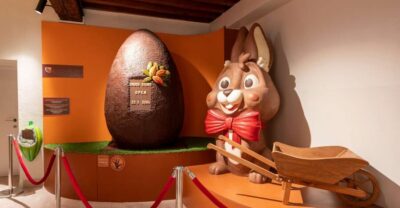
Bruges: Choco-Story Museum with Audio Guide and Tastings
Read our review →
Brussels: Chocolate Museum Visit with Workshop
Read our review →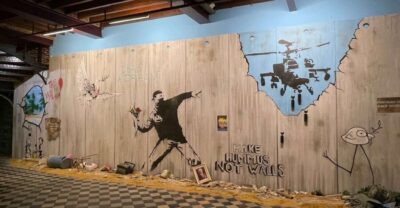
Brussels: The World of Banksy Museum Permanent Exhibition
Read our review →

Bruges: Chocolate Making Workshop and Chocolate Museum Entry
Read our review →Browse the lists this tour appears in