
Reviewed · WATERLOO BATTLEFIELD TOURS
From Brussels : Napoleon’s Last Campaign in Belgium Tour
A guided circuit through Ligny, Quatre-Bras, and Waterloo is a smart way to understand Napoleon’s last campaign in Belgium. I like the tight, site-by-site coaching that helps you translate what you see into what happened, and I especially like the finish at Lion’s Hill, with its Waterloo Memorial and Dutch victory story. One drawback to plan for: at $764 per person, this is not a budget outing, and lunch is on you.
I also appreciate that the tour runs as a private group with a live guide in French or English, so you can ask questions as you go. That said, the stops are time-boxed, so you’ll want comfortable shoes and a few questions ready, especially if Waterloo is already on your reading list.
Key points worth knowing
- Private guide, private transport: You’re not stuck with a big crowd, and you can follow the story without losing the thread.
- Focused time at each site: Ligny (45 minutes), Quatre-Bras (30 minutes), then a longer Waterloo segment (2.08 hours).
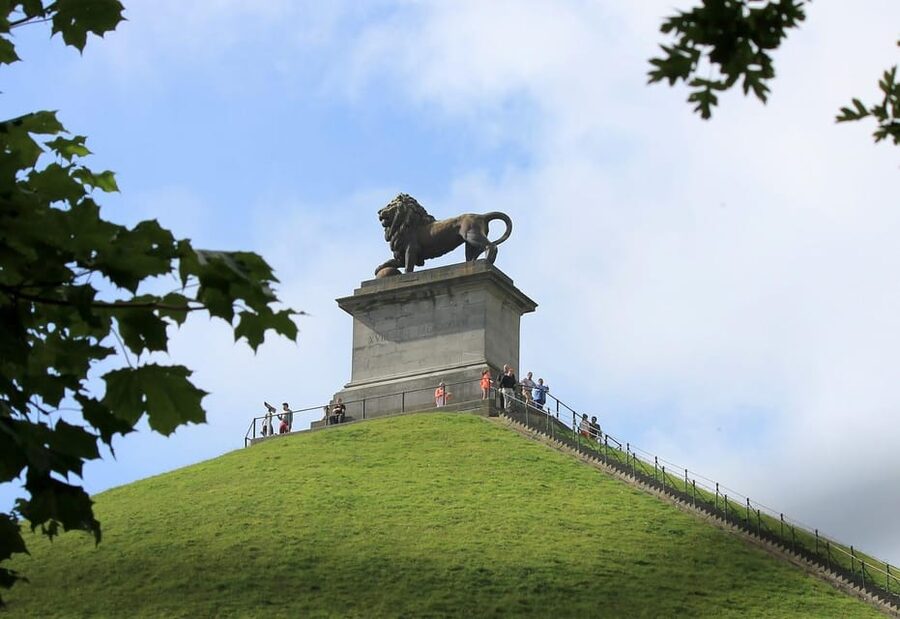
- Ending at Lion’s Hill: You finish at the Waterloo Memorial area tied to the Dutch-built Lion’s Hill story.
- Lunch break included as time, not food: You get about an hour at a local restaurant, but you pay for your own meal.
- Souvenir and drinks included: Small perks that help justify the overall price.
- Good guide makes a difference: One guide review praised Eric’s ability to connect geography, chronology, and even weather conditions.
Ligny, Quatre-Bras, Waterloo, and why this route works
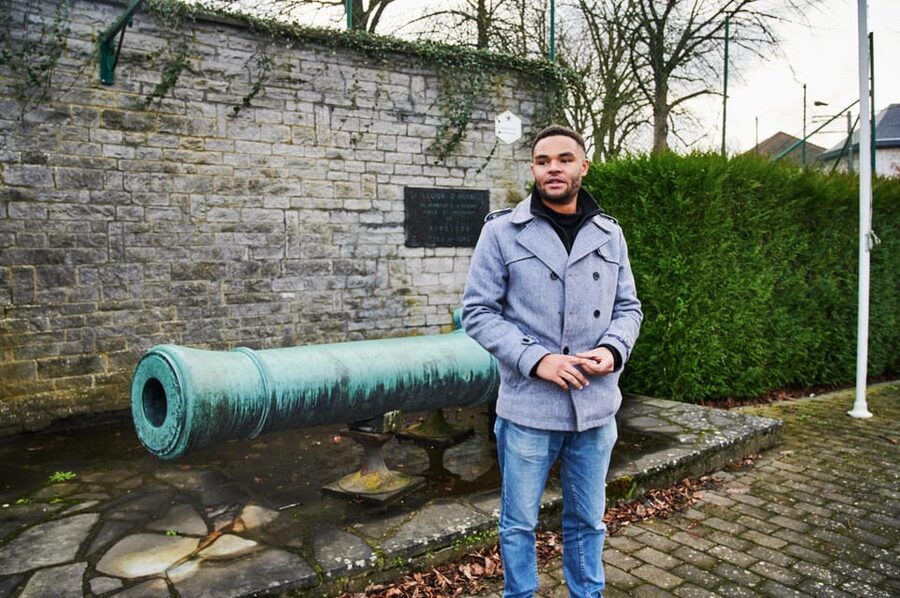
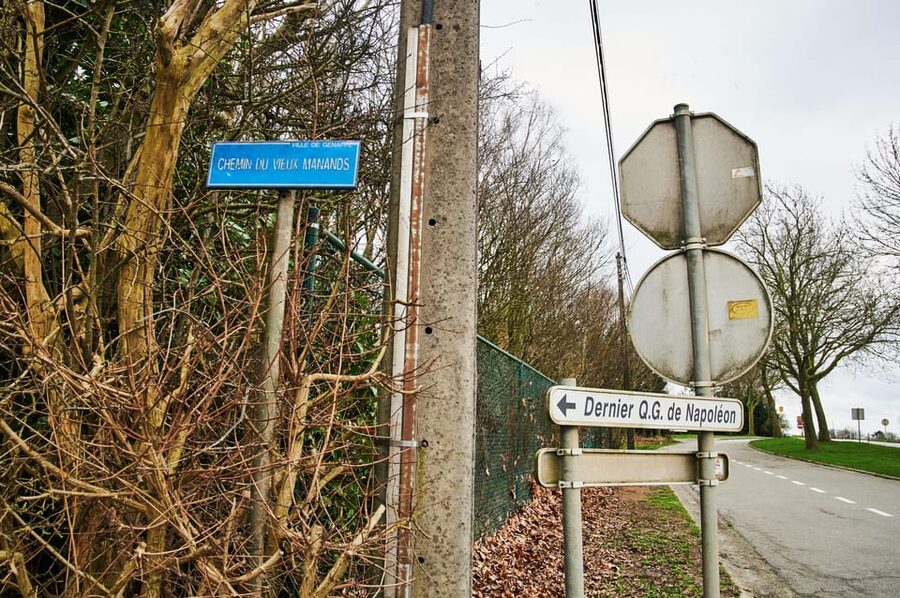
If you want Napoleon’s last campaign to click, you need two things: a sense of where forces were relative to each other, and a clear timeline of what moved when. This tour gives you both by hitting the big decision points in order, starting near where Napoleon fought his last victory against the Prussians, then moving to the crossroad battle areas, and finishing at Waterloo where the coalition defeated him.
I like that the day doesn’t try to do everything in Belgium. It concentrates on three named battlefields plus the Lion’s Hill finale. That means you get real walking time, not just long drives with vague stop-and-go photos.
Price-wise, this is a premium day trip. You are paying for private transportation, a private guide, drinks, fees, and a souvenir, not just for access to the sites. Whether it feels like value depends on how much you’ll actually use the guide. If you enjoy asking why the ground matters, you’ll get your money’s worth. If you prefer self-guided exploring, you might find the cost harder to swallow.
More of the Waterloo battlefield:
- From Brussels : Napoleon’s Last Battle of Waterloo Tour
★ 3.7 · 5 reviews
Starting in Brussels: pickup timing and how not to waste a minute
The day begins with pickup from your hotel in Brussels, and surrounding areas. You’re asked to wait in your accommodation lobby about 10 minutes before the pick-up time. That sounds basic, but it matters because this tour is built around tight blocks of guided time at each stop.
From the start, you’re traveling to Wallonia for battlefield geography. The practical benefit of private transport is that you can keep the day moving without changing buses or hunting for meeting points. The private format also means you’re less likely to spend your first hour figuring out who’s where and when.
Bring comfortable shoes and dress for weather. Battlefield terrain is not always friendly to slick soles, and the day will include walking as part of the guided experience.
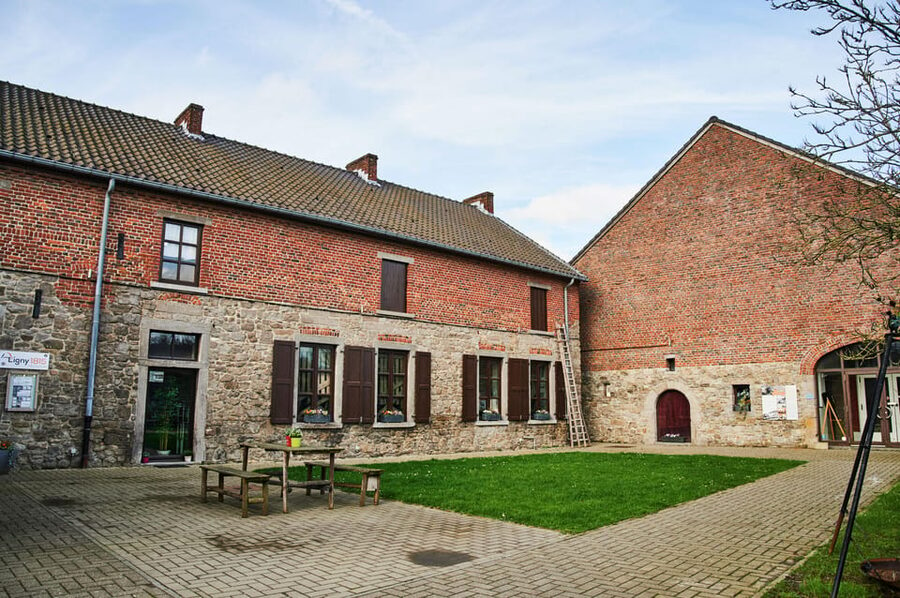
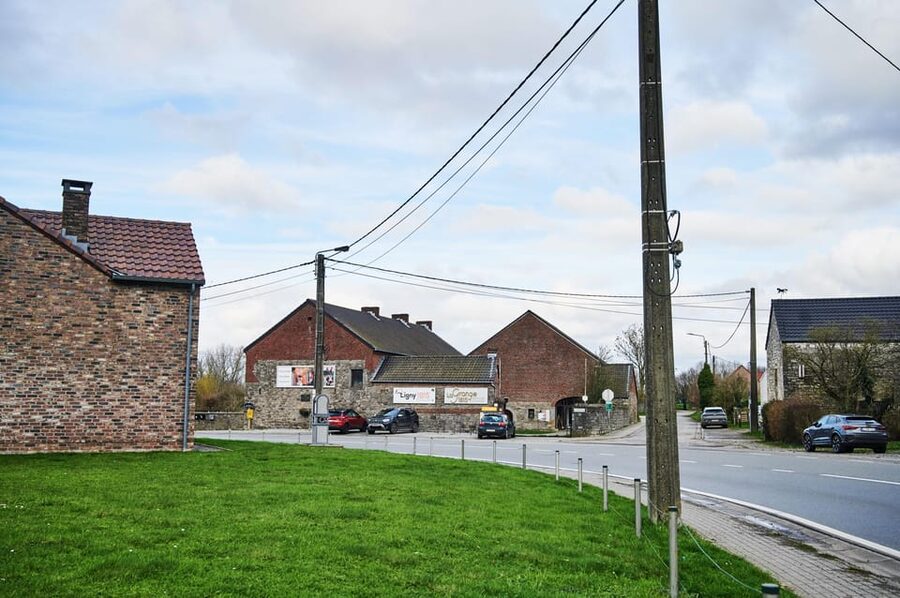
Ligny (45 minutes): Napoleon’s last victory, and why the ground feels small
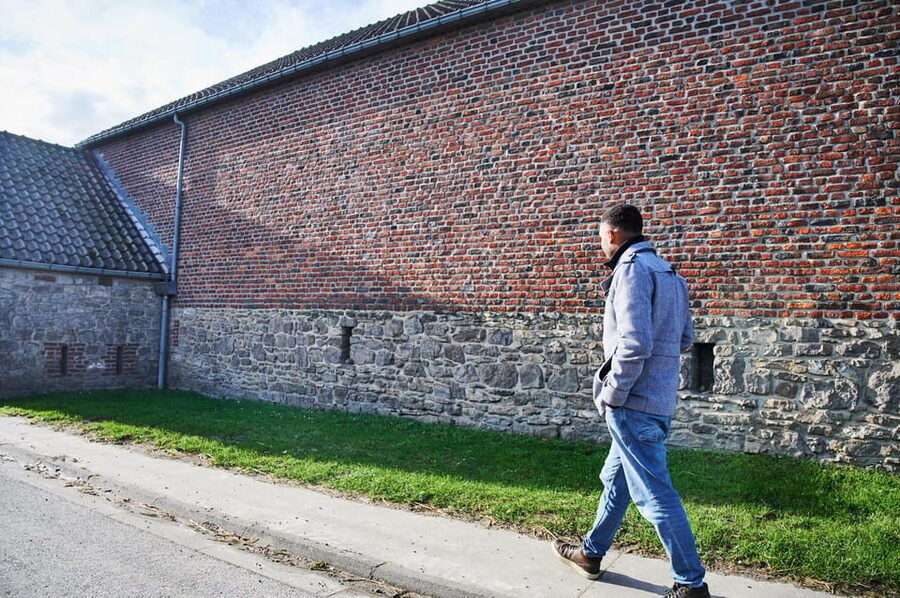
Ligny is the opening anchor of the story. This is where Napoleon fought his last victory against the Prussian forces. On the map, it’s not huge, and that scale can be the surprise. One guide-focused review noted how Ligny is tiny, which actually helps you understand the pressure of 1815 combat. Small places can produce massive consequences when armies collide there.
Your guided visit at Ligny is 45 minutes. That duration is short enough that you’ll want to pay attention to the key features your guide points out, like lines of approach and how the terrain influenced choices. If you tend to wander at museums, you may want to switch gears here and stay present, because battlefield understanding is cumulative. You learn one piece, then you’ll need it again later at Quatre-Bras and Waterloo.
A good guide experience matters most at Ligny. The best tours here explain not only what happened, but how the geography made the outcomes likely. You’ll feel the difference most if you’re the kind of traveler who likes causation, not just dates.
Quatre-Bras (30 minutes): the crossroad fight between French and British
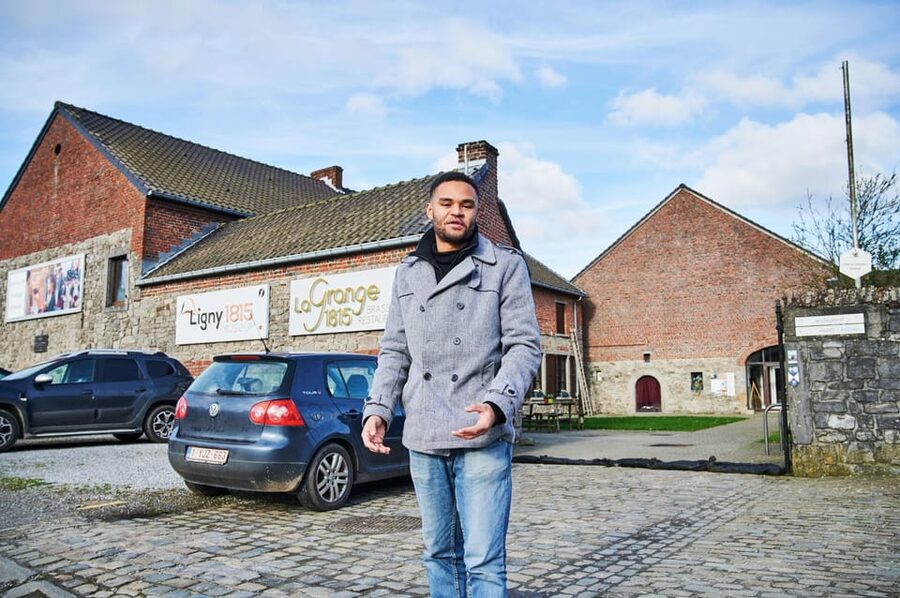
Next comes Quatre-Bras, where French and British forces clashed. The idea of Quatre-Bras is easy to grasp: crossroads and movement routes. But the real value comes from being walked through why “where” was just as important as “who.”
Your guided stop is 30 minutes, which is enough time to get the big picture, as long as you don’t get pulled into side conversations that keep you from hearing the main points. With only half an hour, you should treat this stop like the bridge between Ligny’s logic and Waterloo’s payoff.
If you have prior knowledge of Waterloo’s battle plan, Quatre-Bras is where you can test whether your chronology holds up when you see the physical layout. Even if you think you know the sequence, the ground can still correct you.
Waterloo (2.08 hours): making the final battle understandable on foot
This is the centerpiece. You get 2.08 hours at Waterloo with a guided tour. That’s long enough to cover the key areas and still give you time to process what you’re seeing.
Waterloo works best when you understand three things:
1) how the armies were arranged,
2) how visibility and terrain shaped decision-making,
3) how timing and weather affected movement.
One review offered a useful detail about the weather: the volcano eruption two months earlier contributed to torrential rain on June 18, 1815. You don’t need a meteorology lecture to benefit from that. Rain changes everything from how fast people can move to how comfortable positions are to hold. When your guide connects the weather to the action, the whole battle feels less like a diagram and more like real humans in real conditions.
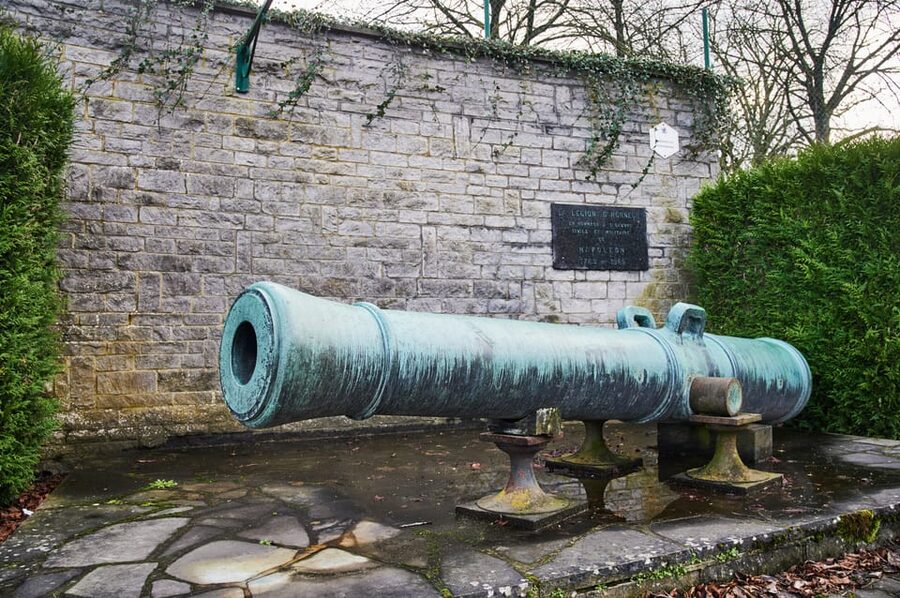
You may also encounter interpretive material at Waterloo. One review specifically mentioned a free video at Hougoumont that was especially informative. Hougoumont itself tends to confuse people at first because it does not always get the same attention as the grand lines of battle. If the site has the video option, it can be a straightforward way to get the layout and purpose without hunting for clues on your own.
Two hours can pass quickly if you’re trying to read everything silently. Instead, use the guide to keep the narrative moving. Ask questions like: why this position, why this time, and what changed right before the big turn of events? Even if you already know the outcomes, the “why” is what makes the time worth it.
Lion’s Hill and the Waterloo Memorial finale: what the Dutch built and what it meant
You finish at Lion’s Hill and the Waterloo Memorial area. This matters because Lion’s Hill is not just another viewpoint. It ties the story to what the Dutch built to celebrate the victory, and you can learn about the Dutch prince who was wounded there.
Finishing here gives the tour an ending that feels different from simply walking a battlefield. It shifts from the clash itself to how the victory was remembered and memorialized. That makes the day feel more complete, especially if you’re interested in how nations interpret the same day from different angles.
If you enjoy symbolism as much as tactics, Lion’s Hill is a strong closer. It answers a quiet travel question: after the battle, who claimed the meaning, and how?
Lunch at a local restaurant: good pacing, but you’ll pay for your meal
The tour includes a 1-hour stop at a local restaurant for lunch. The big thing to know is that food is not included in the price. Drinks are included as part of the tour, but your meal is your call.
This is where some people can feel friction, because the lunch slot depends on what’s available at the restaurant that day. If you have dietary needs or you’re sensitive to waiting, you might want to plan for a simple meal and a little flexibility.
Still, the value of including lunch time is that it prevents the tour from turning into a stress sprint. If you’re starting in Brussels, a scheduled break helps you stay focused for the Waterloo portion, which is the longest guided segment.
The guide factor: what happens when the storytelling clicks
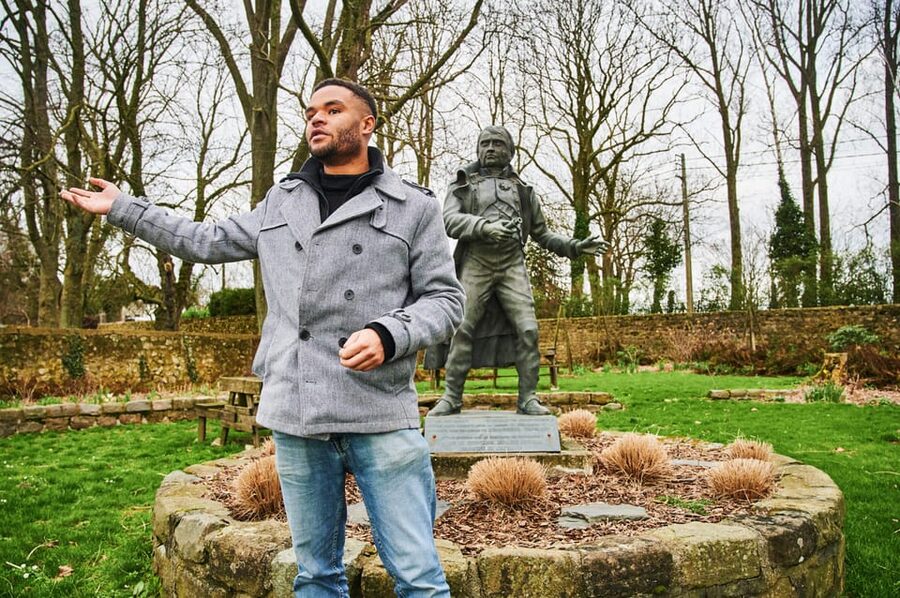
The tour is built around a live guide in French or English and a private group format. In practice, this is where you either feel the tour’s value or you feel it fall flat.
In positive experiences, guides like Eric were praised for making the campaign feel alive, with clear explanations of geography, times, and participants. That matters because battlefields can look like ordinary farmland unless you have help translating them. A strong guide teaches you how to read the land, not just recite a timeline.
A less positive experience also showed the risk of superficial explanations. The takeaway for you is simple: if you want depth, don’t be shy about asking for clarification. If the guide explains the terrain in a way that connects to the chronology, the day will feel like more than a checklist.
You also get a souvenir included. It’s a small thing, but it signals that the operator is thinking about the day as an experience you’ll remember after you leave the fields.
Value and price: what $764 per person is paying for
At $764 per person for a 6-hour day, you’re paying for several things at once:
- private transportation
- a private guide
- drinks
- fees
- souvenirs
- guided time across Ligny, Quatre-Bras, and Waterloo, plus the Lion’s Hill finale
So the comparison is not to a cheap museum ticket. This is closer to paying for a human instructor plus the logistics of getting from Brussels to multiple battlefield sites without wasting time.
When this price feels fair, it’s usually because you do one or more of these:
- you ask questions and use the guide
- you care about how terrain shapes decisions
- you want a coherent story with minimal effort on your part
When it feels overpriced, it’s often because the guide’s explanations do not match your expectations, or you want longer free time on your own. Since the guided stops are time-boxed, you cannot expect to roam endlessly. This is a guided learning day, not a free-form photography trip.
Practical tips to get the most out of your battlefield day
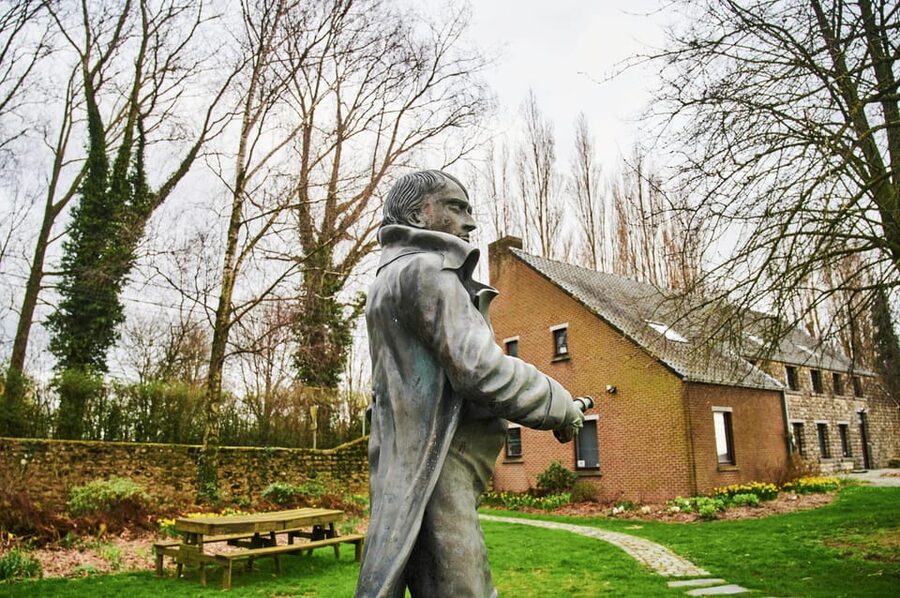
I’d plan your mindset before you go. Treat the day like a moving lecture with short field breaks. If you show up focused, you’ll walk away with a stronger mental map than most people get from reading.
Here are a few practical moves:
- Wear shoes you can handle on uneven ground.
- Bring weather-appropriate clothing, since rain is part of Waterloo’s story for a reason.
- If Waterloo is already familiar to you, ask for help connecting chronology to topography. That connection is where the tour can correct misconceptions fast.
- Keep your questions simple. You’ll get more traction from asking why a position mattered than from asking for a full battle replay.
If you speak French or English, you’re covered. The guide works in both languages, so you can follow closely without constantly switching your attention.
Should you book this tour?
Book it if you want a guided, ordered walkthrough of Napoleon’s last Belgian campaign with private transport and a guide you can interrogate about terrain, timing, and how decisions played out. It’s especially good for first-timers and for repeat visitors who want their facts tied to place, not just memory.
Skip it or consider alternatives if you’re mainly looking for long self-guided wandering, or if you already know the material cold and want extra time on your own. Also consider that lunch food is not included, and at this price point you should expect the guide to do most of the heavy lifting in making the battlefields understandable.
If you book, show up ready to listen and ask questions. That’s the difference between a pricey day out and a truly satisfying one.
FAQ
What sites are included in the tour?
The tour visits Ligny, Quatre-Bras, and Waterloo. It also ends at Lion’s Hill and the Waterloo Memorial area.
How long is the tour from Brussels?
The total duration is 6 hours. Guided time is 45 minutes at Ligny, 30 minutes at Quatre-Bras, and 2.08 hours at Waterloo, plus 1 hour for lunch.
Is lunch included in the price?
Lunch time is included, but food is not included. You’ll have about an hour at a local restaurant.
What does the price include besides the guide?
The tour includes private transportation, drinks, souvenirs, and fees, along with the guided visits.
What languages is the live guide available in?
The live tour guide is available in French and English.
Where does the tour start and end?
It starts with hotel pickup in Brussels (and surrounding areas) and ends with drop-off back at your hotel in Brussels (or the surrounding areas).
Reviewed lately in Waterloo
- From Brussels : Napoleon’s Last Battle of Waterloo Tour★ 3.7 · 5 reviews
Waterloo Battlefield Tours, compared.

Napoleon Last Campaign (Waterloo, Ligny..) Day Tour from Brussels
Read our review →
Waterloo Private Battlegrounds Tour with Lion Hill
Read our review →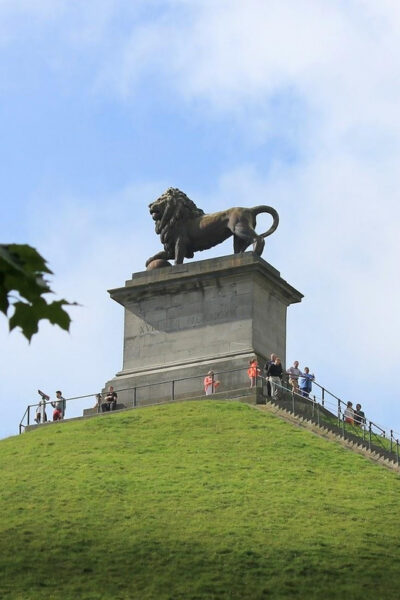
From Brussels : Napoleon’s Last Battle of Waterloo Tour
Read our review →Browse the lists this tour appears in