
Reviewed · MUSEUMS
Ghent: Museum of Fine Arts Entry Ticket
What makes this ticket interesting is that it does not just show art, it shows how art can be protected and understood. You get a full day inside Ghent’s Museum of Fine Arts with a clear way to move through time, plus included temporary exhibitions.
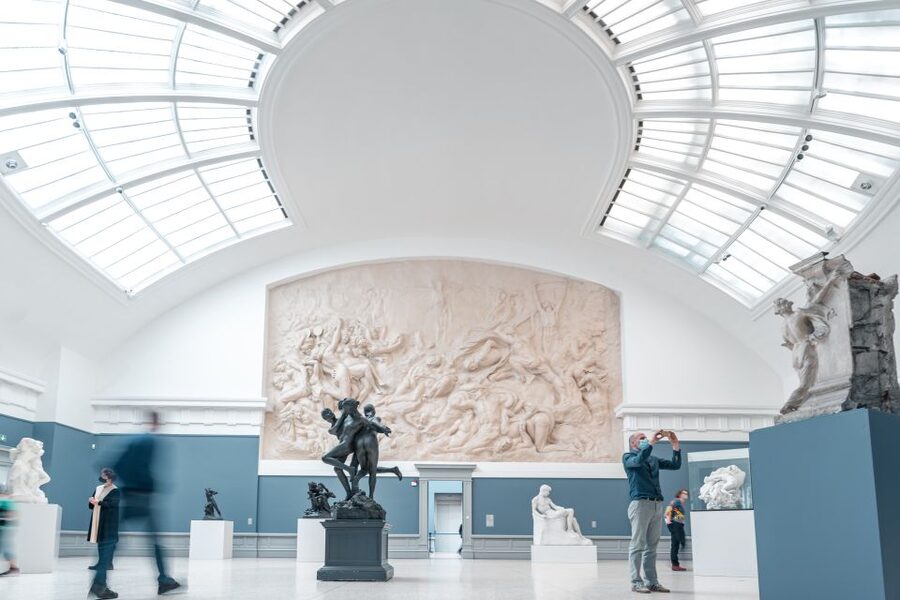
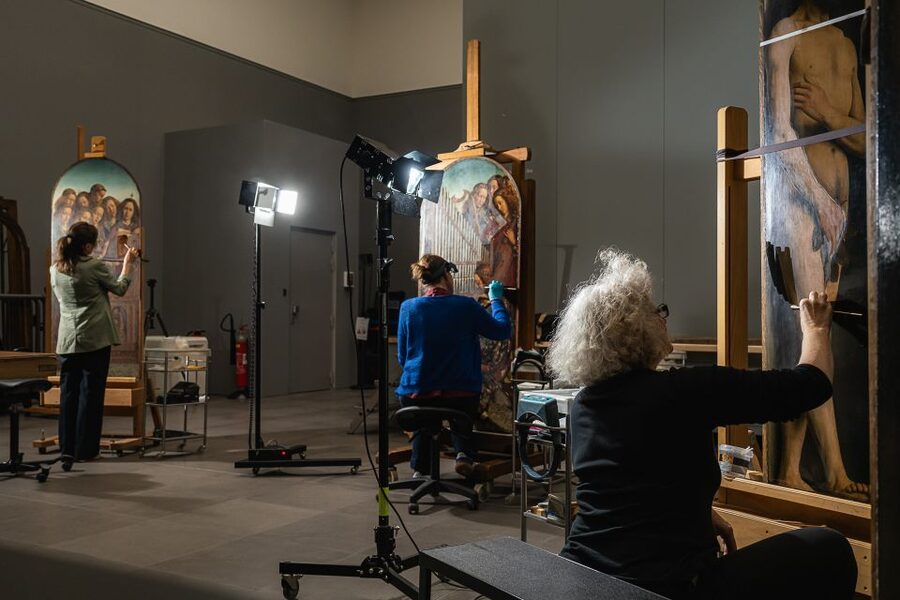
I love how the collection runs across 14th to 20th centuries, so you can see how styles and ideas changed without bouncing around. I also like the live, behind-glass view of the Ghent Altarpiece restoration in the museum itself, not as a distant story.
One possible drawback: you will want to plan your pace. With 30 galleries and both permanent and temporary exhibitions included, it’s easy to spend too long in one room and feel rushed later.
Key things to know before you go
- Ghent Altarpiece restoration workshop behind glass lets you witness conservation live.
- 30 galleries make it realistic to follow a chronological route and connect artworks across time.
- Included temporary exhibitions are part of the same ticket price, so you do not lose value if there is something timely.
- You’ll see major names, including Hieronymus Bosch, Pieter Paul Rubens, Brueghel II, and Anthony van Dyck.
- Modern and contemporary touchpoints include René Magritte and contemporary installations in the collection.
- The museum stays open until 22h on the first Thursday of the month, which is great if you like slower, evening museum time.
A museum ticket that turns art history into something you can track
This is the kind of entry ticket that works well in real life, not just on paper. For one price, you get into the museum, you get the permanent collection, you get temporary exhibitions, and you get an audio guide that helps you connect what you see.
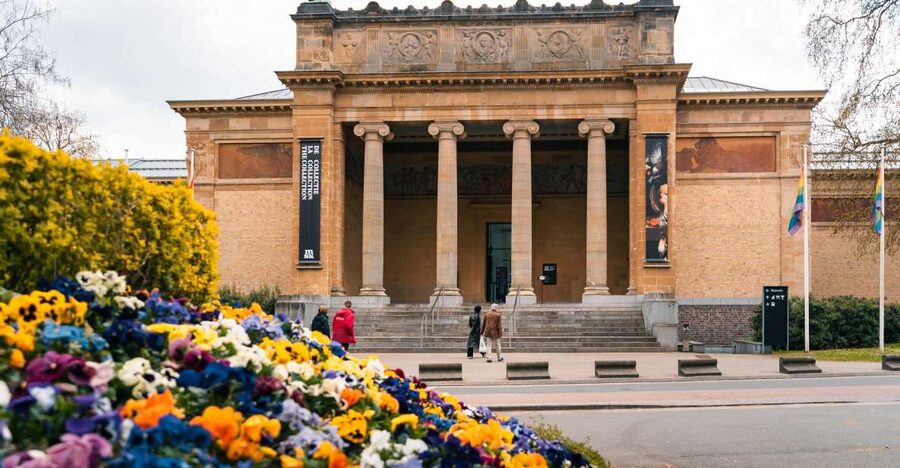
The setting also matters. The building feels monumental, and when you finish, there’s a green park right outside. That’s a small detail, but it’s the difference between ending your day with sore feet inside and ending it with a calm walk where your brain can actually file what you just learned.
More Museums in Ghent:
- Brussels: Atomium Entry Ticket with Design Museum Ticket
★ 4.4 · 9,254 reviews - Choco-Story Brussels: Chocolate Museum Entrance with Tasting
★ 4.3 · 4,883 reviews - Bruges: Choco-Story Museum with Audio Guide and Tastings
★ 4.2 · 1,825 reviews
Price and value, what you get for $17
At about $17 per person for a 1-day ticket, this is not a budget museum experience, but it is also not overpriced if you use what you paid for. The key value driver is simple: your ticket includes both the permanent galleries and the temporary exhibitions, so you are not forced to choose between “main museum” and “special show.”
You also get more than just entry. The ticket includes an adult audio guide, a children’s audio guide, and a family route with labels and small activities. If you travel as a couple or with kids, that extra structure can save time and reduce the stress of trying to decide what is worth your attention.
One caution from a booking perspective: if you plan to rely on City Card Gent, confirm it applies to the museum before you finalize anything online. One buyer reported an issue where city card access did not attach to the museum ticket they purchased. A quick check is worth it.
Entering the museum, where you should start your day
Your voucher goes to the museum entrance, then you start exploring from there. Once inside, I recommend you do two things early.
First, find your audio guide setup and headphones right away. The guide is in Dutch, English, and French, and it includes modern perspectives on art history, plus queer views, musical interpretations, and descriptions for visually impaired visitors. The kids tour is separate, which is helpful if you are traveling with younger visitors and want everyone to have a path that fits.
Second, give yourself a plan for time. You have a full day available, but the museum is big, and there are many galleries. If you like to see everything, you can, but you should expect it to be a “choose-your-own-adventure” day, not a “scan and go” day.
Practical rules to keep in mind:
- Flash photography is not allowed.
- Food and drinks are not allowed inside.
- Luggage or large bags are not permitted, but there is a free cloakroom.
- Coats and larger items go in the cloakroom, not on you.
The chronological route idea, and why it helps you enjoy the art more
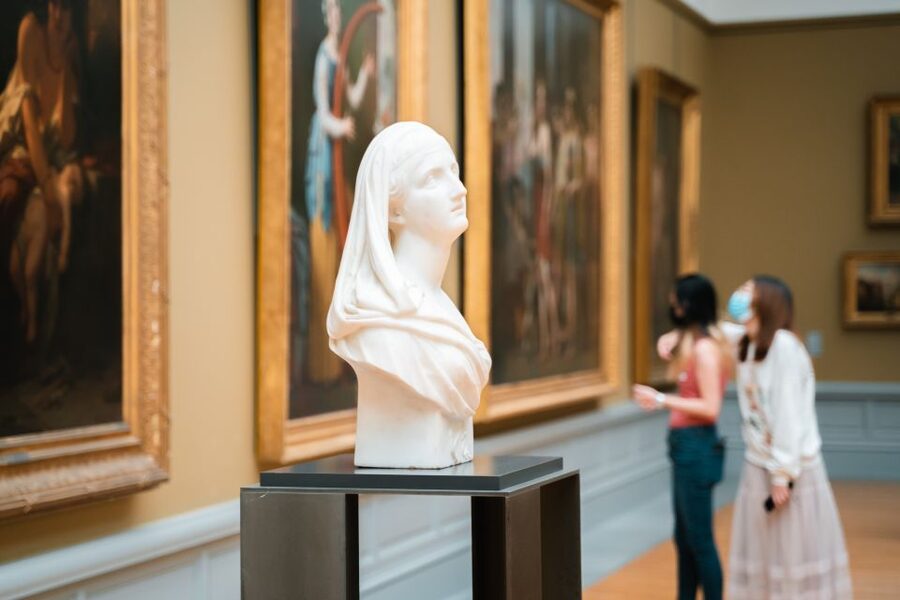
One of the smartest ways to experience this museum is to use the idea of a chronological visiting route. When you walk with that logic, artworks start “talking” to each other across time.
You’ll see themes and monographic galleries too, so it is not just one straight line. But the chronological backbone helps you notice how artists responded to earlier styles, shifts in taste, and changing subjects. That is where the museum stops feeling like a list and starts feeling like a story you can follow.
A nice bonus: the museum includes both ancient art history (with about half the galleries focused on art from before 1800) and the big movements after that. That means you can spend time where you care most, and still end up with a satisfying arc.
More days in Ghent:
- Ghent: 50-Minute Medieval Center Guided Boat Trip
★ 4.5 · 5,637 reviews - Historical Walking Tour: Legends of Gent
★ 5.0 · 1,761 reviews - Ghent: 40 Minute Medieval Center Guided Boat Tour
★ 4.4 · 884 reviews - Evening Tour of the Dark Side of Gent
★ 5.0 · 646 reviews
Pre-1800 galleries, from early art history to major Northern European names
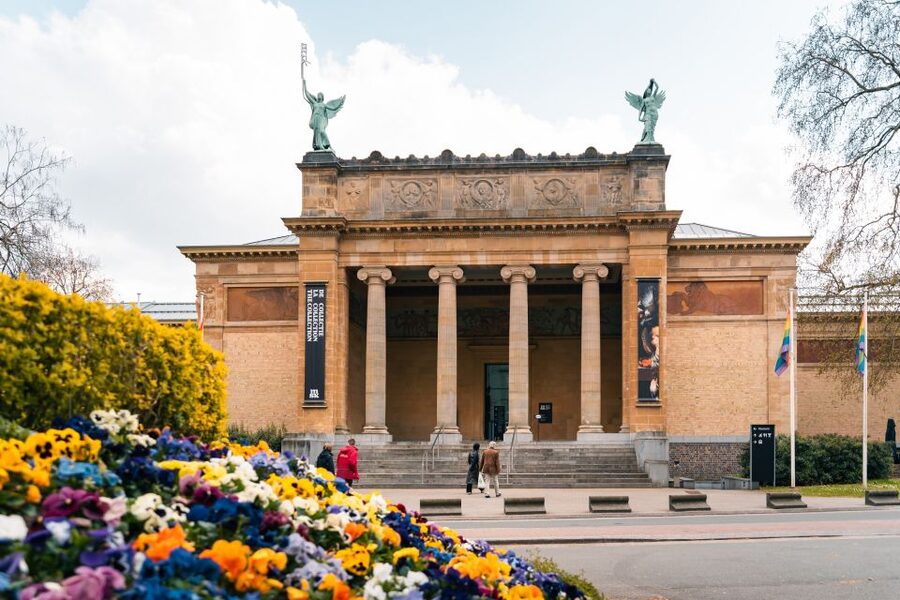
You’ll find a large portion of the collection devoted to art from before 1800, so if you love early European art, this is a strong start. This is where you can get a real sense of the earlier visual languages that later artists inherited and transformed.
In this section of the museum, you can expect to encounter major Northern European names. The ticket highlights the chance to see works by Hieronymus Bosch, Pieter Paul Rubens, Brueghel II, and Anthony van Dyck. Even if you already know the reputations of these artists, seeing them in one museum helps you compare how each one handles composition, detail, and storytelling.
What to watch for as you move:
- How religious or mythic subjects are framed compared with later centuries
- How people, landscapes, and small details carry meaning
- How realism and style shift across rooms, especially when you stay in the chronological flow
The Ghent Altarpiece restoration, conservation you can actually see
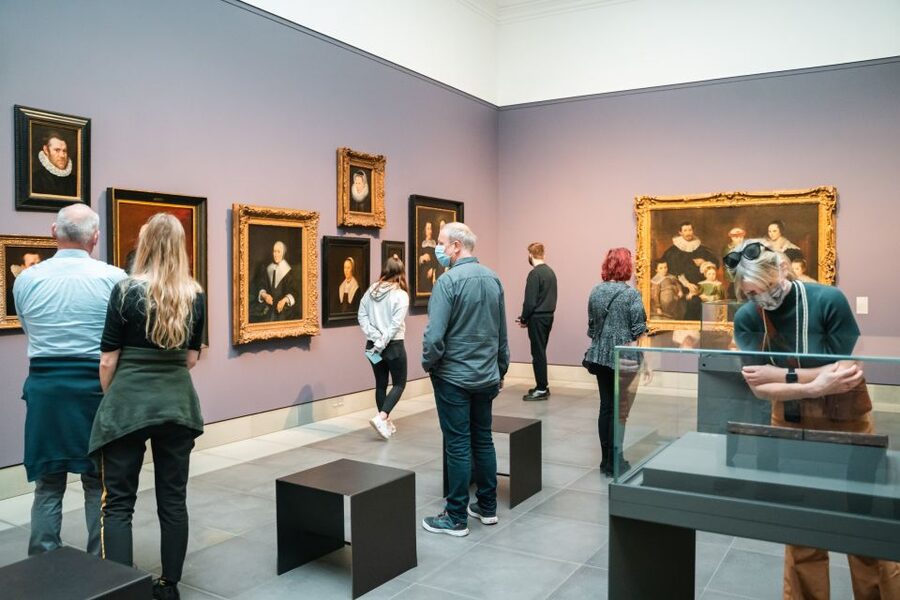
This is the moment I think you should build your day around. The museum includes a workshop view where you can witness the final restoration phase of the Ghent Altarpiece (1432) by Jan van Eyck.
You see it behind glass, which means you can look closely without the process being disrupted by crowds. And conservation work is not just an optional spectacle. It changes how you see the art. When you understand that paint layers, panels, and surfaces can be carefully treated, the museum feels more like a living place of care, not only a storage room for masterpieces.
If you are the type who normally walks past process-only exhibits, pause here anyway. Look longer than you think you need. Restoration lets you see art in a new way, even if your time is limited.
19th and 20th centuries in Ghent, Belgian art where you can feel the change
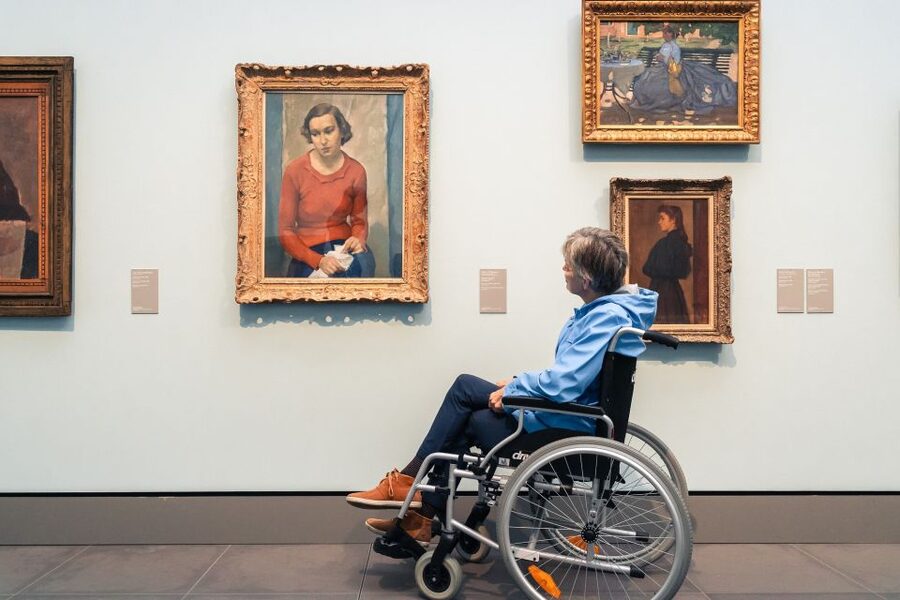
Once you move past the pre-1800 galleries, you get that satisfying shift into the 19th and 20th centuries. This section is where the museum becomes especially relevant for modern eyes because the subjects, the mood, and the approach start to feel closer to what you see in contemporary art today.
Belgian names featured include James Ensor, Émile Claus, and Georges Minne. These artists anchor the story in a clearly local context, so you can understand how Belgium’s own art scene evolved while also being part of broader European movements.
My practical advice: pick one artist you already like, then follow the room’s neighbors. If you get pulled in by Ensor, for example, you might find it easier to stay curious through the next galleries. The museum’s design encourages cross-connection, especially when you keep moving rather than getting stuck on one “favorite” panel for too long.
Modernism and surreal thinking, Magritte and beyond
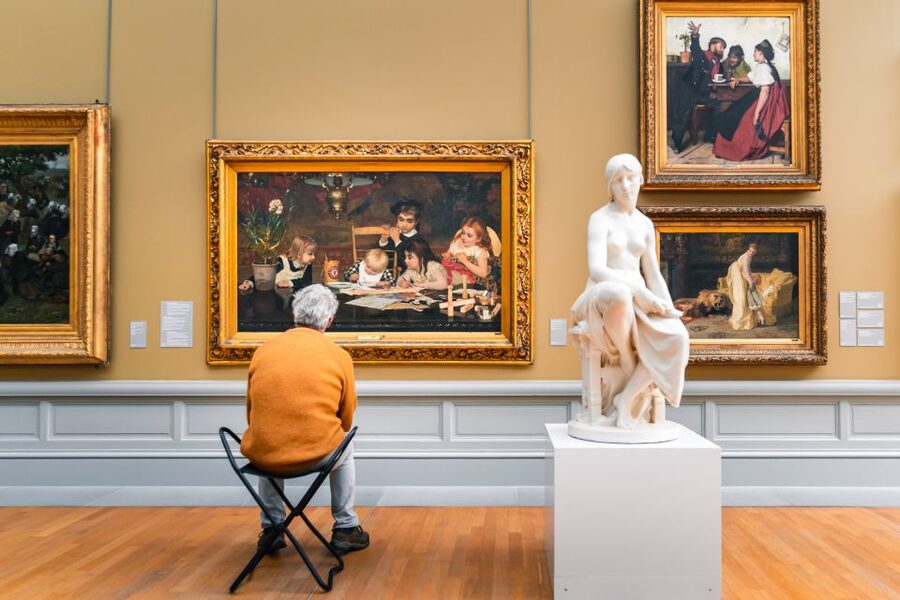
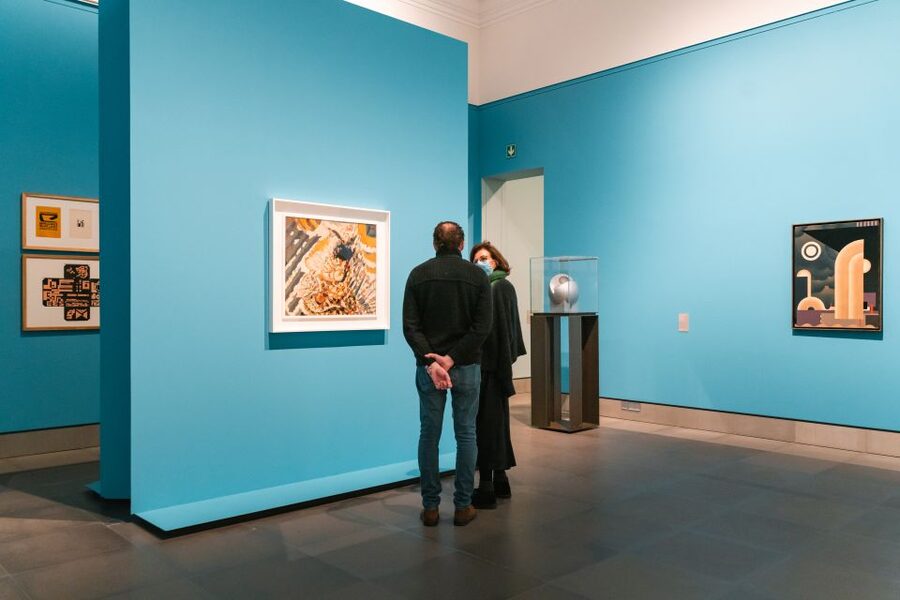
This museum does not treat modern art as a side quest. You can expect works connected to Gustave Van de Woestyne, René Magritte, and Frits Van den Berghe, among others.
Magritte alone can change how you interpret the entire museum. Surrealism trains you to look at familiar scenes differently, and once you do that, older works can feel like they have more hidden logic than you initially noticed.
As you move through these modern rooms, ask yourself a simple question: what changed in the artist’s goal? Earlier centuries often feel grounded in clarity of narrative or devotion. Later artists push toward mood, symbolism, and contradiction. The museum structure makes it easy to track that change.
Also, the collection includes contemporary installations, so if you like modern pacing and more physical, spatial work, you should leave time for that section rather than rushing toward the exit.
Temporary exhibitions included, how to use that extra time wisely
This ticket automatically includes temporary exhibitions. That matters because a temporary show can be the best “hook” for the day, especially if you only have one museum visit in Ghent.
You can use a simple strategy: do the restoration and the permanent collection first, then treat the temporary exhibition as the creative payoff at the end. That gives you time to build context, so the temporary work lands better.
One example that has appeared in the temporary programming is a show called Transcripts of a sea. If your dates include something similarly compelling, plan extra time so you can sit with it instead of sprinting through.
Audio guide, family route, and how to make the museum feel personal
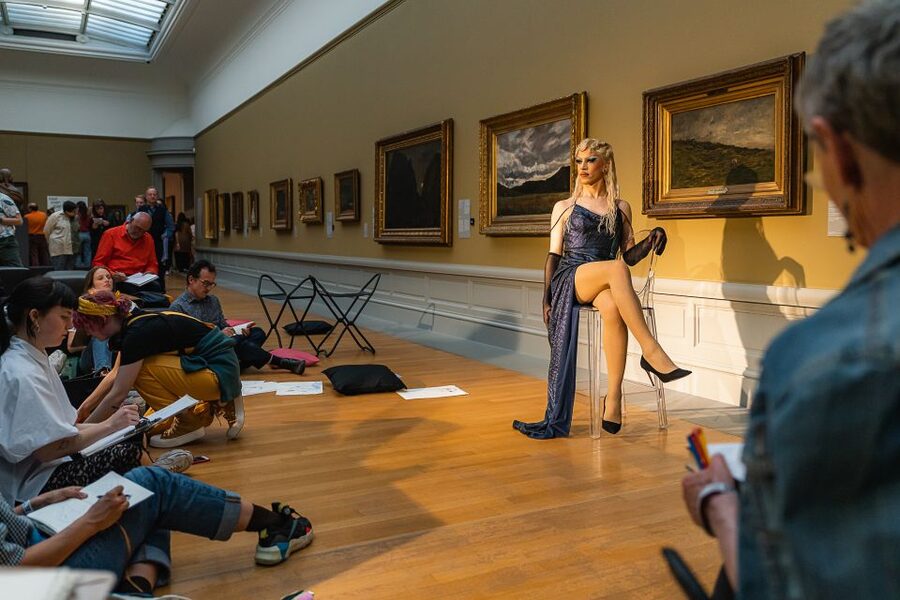
The audio guide is one of the biggest reasons this ticket feels complete. I like that it does not just label what you see. It includes modern perspectives, plus specific angles like queer views and musical interpretations. It also includes descriptions for visually impaired visitors, which often means the narration is more detailed and structured than you might expect.
There is also a separate kids tour, which can reduce tension if you have mixed ages in your group. Instead of trying to translate your preferences to everyone, you can give each person a path.
If you go as a family, use the family route with children’s labels and small activities. That structure keeps kids engaged without turning the visit into a long endurance test for adults.
If you go solo or as a couple, the guide still helps, especially because the museum includes both chronological structure and thematic galleries. With the audio guide, those shifts stop feeling random.
Timing tips, including the first Thursday evening opening
You can visit any day with your ticket, but if you can match your schedule, aim for the evening vibe on the first Thursday of the month, when the museum stays open until 22h. Evening museum time can make a big difference because you can slow down and take in the atmosphere.
Also, if there is a separate activities programme that night, keep an eye on it. The ticket data confirms there is often an activities programme, so it is worth checking before you lock in your plan.
The rules you’ll care about once you arrive
A museum day goes smoother when you remember the boundaries. Here is what matters most from the ticket info:
- No food and drinks inside
- No luggage or large bags inside, use the free cloakroom
- Flash photography not allowed
- Umbrellas not allowed
- Bring passport or ID card
For comfort, note that the museum offers:
- A breastfeeding and diaper changing room
- Gender inclusive restrooms
- Wheelchair access via a side entrance
- Gender inclusive restrooms, so everyone has a comfortable option
If you are using a wheelchair, the route is fully wheelchair accessible. That is a big deal in older European buildings, so it is reassuring that this museum has that covered.
Food breaks and the park outside, where to reset your brain
You will not be bringing snacks into the museum, so plan a food break outside. The ticket itself does not include food or drinks, so you’ll need to budget for that separately.
I also recommend building in at least 20 to 30 minutes at the end for the park on the doorstep. After hours of galleries, a green space is not a luxury. It’s how you stop feeling like you’re still in “museum mode.”
Should you book the Ghent Museum of Fine Arts entry ticket?
Book this ticket if you want a serious art museum day without having to pick between permanent and temporary exhibitions. The live Ghent Altarpiece restoration behind glass is a standout reason to go, and it is the kind of experience that makes conservation feel real.
You should also book if you like a mix of time periods. The museum covers art from before 1800 and moves through 19th and 20th centuries, with Belgian artists and modern names like René Magritte.
Consider skipping or adjusting your expectations if you hate long museum days. With 30 galleries, the place is built for lingering. If you only want a quick hit of a few rooms, you might feel stretched thin.
If you do go, I’d do this: start early, use the audio guide, build your day around the restoration viewing, and then let the temporary exhibition be your reward at the end.
FAQ
What is included in the ticket for the Ghent Museum of Fine Arts?
Your ticket includes entry to the permanent collection, entry to temporary exhibitions, and an audio guide for adults. It also includes an audio guide for children, plus a family route with children’s labels and small activities.
How long can I spend at the museum?
The ticket is valid for 1 day. The museum experience is designed for a full day, since it includes both permanent galleries and temporary exhibitions.
What languages are available for the audio guide?
The audio guide is included and is available in Dutch, English, and French.
Where do I present my voucher?
Present your voucher at the museum entrance.
What am I not allowed to bring into the museum?
Food and drinks are not allowed. Luggage or large bags are not allowed, and flash photography and umbrellas are not allowed either.
Is the museum wheelchair accessible?
Yes. The museum is fully wheelchair accessible via the side entrance, and the ticket notes that accessibility support is in place.
Is it a good idea to visit on the first Thursday evening?
If you can, yes. The museum stays open until 22h each first Thursday of the month, often with a separate activities programme.
Reviewed lately in Ghent
- Ghent Running and Sightseeing Tour★ 5.0 · 3 reviews
- Children’s escape game in the city of Ghent Marsupilami★ 5.0 · 3 reviews
- Ghent Walking Tour – City Highlights and Beyond Tradition★ 4.5 · 3 reviews
- Ghent Scavenger Hunt and Highlights Self Guided Audio Tour★ 3.5 · 3 reviews
- Discover Ghent while playing! Escape game – The alchemist★ 4.0 · 4 reviews
- e-Scavenger hunt Mons: Explore the city at your own pace★ 5.0 · 4 reviews
- Discover Ghent while playing! Escape game – The Walter case★ 4.5 · 4 reviews
- Discover Mons while playing! Escape game – The alchemist★ 4.0 · 5 reviews
Museums, compared.
Brussels: Atomium Entry Ticket with Design Museum Ticket
Read our review →
Choco-Story Brussels: Chocolate Museum Entrance with Tasting
Read our review →
Bruges: Choco-Story Museum with Audio Guide and Tastings
Read our review →
Brussels: Chocolate Museum Visit with Workshop
Read our review →
Brussels: The World of Banksy Museum Permanent Exhibition
Read our review →

Bruges: Chocolate Making Workshop and Chocolate Museum Entry
Read our review →Browse the lists this tour appears in