
Reviewed · HISTORICAL TOURS
Chocolate history workshop Ghent
Building your own chocolate bar from raw cacao beans in a historic Ghent shop is a fun, hands-on way to understand how chocolate got to your pantry. I love the cacao-into-a-bar process, because it turns you from a chocolate buyer into a chocolate maker.
Another reason I like this workshop is the way it mixes craft with story. You do real tasting, then get the behind-the-scenes context for why chocolate changed over time, from ancient drinks to European favorites.
One consideration: this isn’t a sit-and-watch class. You grind cacao beans yourself, so you’ll want normal hand and wrist strength, and you should dress for a cool shop temperature.
Key things to know before you go
- Cacao-to-bar making: you create a chocolate bar by grinding cacao beans
- Story-driven tastings: you sample multiple cacao products while learning how chocolate evolved
- 5000-year chocolate drink: one stop in the timeline is a very old-style drink
- Recreate 17th-century hot chocolate: you customize spices, chocolate, and sugar
- Classic Belgian bonbons: you taste four, including the famous seashell style
- Small group: limited to 6 participants, in English
Chocolate Ambassade in Ghent, 90 minutes of cacao craft and history
If you only think of Belgian chocolate as something wrapped and sold, this workshop changes your view fast. It takes place in a Ghent chocolate shop in an older building, and the setting fits the theme: this is chocolate as a craft, not just a souvenir. You’ll be working at a table with an expert guiding you, while your group stays small enough to get real attention.
At the heart of the experience is an unusual combo. Yes, you make chocolate. But you also learn why chocolate looks the way it does today. That means tasting along the timeline, and then using that knowledge when you recreate a style of hot chocolate from the 1600s.
You’ll likely appreciate this most if you enjoy practical experiences and food that comes with context. And if your idea of a great day in Ghent includes wandering old streets afterward, this fits nicely because it ends right in the historic center.
More Historical Tours in Ghent
- Historical Walking Tour: Legends of Gent
★ 5.0 · 1,761 reviews - Ghent: 40-Minute Historical Boat Tour of City Center
★ 4.3 · 430 reviews - Private Historical Tour: The Best of Ghent
★ 5.0 · 115 reviews
Your step-by-step workshop in a Ghent chocolate shop
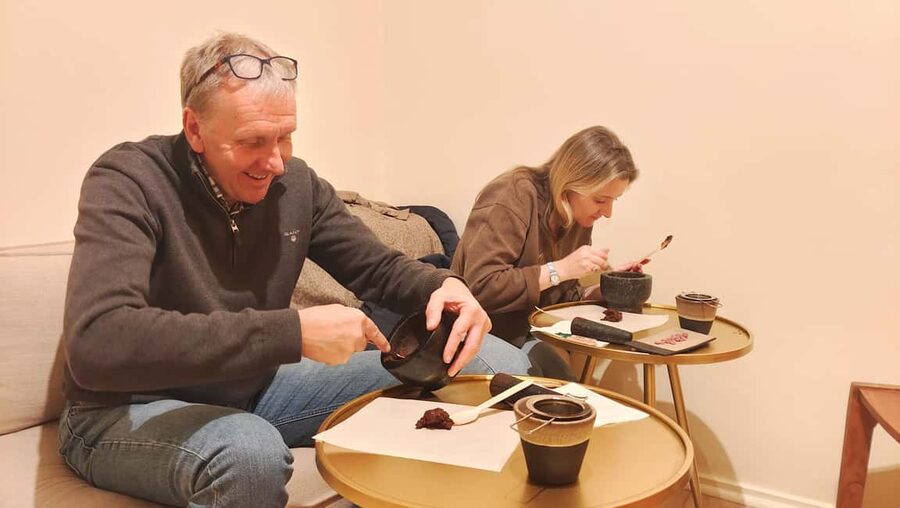
The session runs 90 minutes, and it moves with a clear rhythm: short explanations, then hands-on work, then tasting. Since the class is limited to 6 people, you should feel like you’re participating, not waiting your turn.
1) Welcome and how cacao turns into chocolate
You start with a short intro from a chocolate expert. You learn the basics of where chocolate begins, how cacao is processed, and what key ingredients do in the final product. This matters because later you’ll be able to taste differences and connect them to what you made.
2) Grind cacao beans and make your own chocolate bar
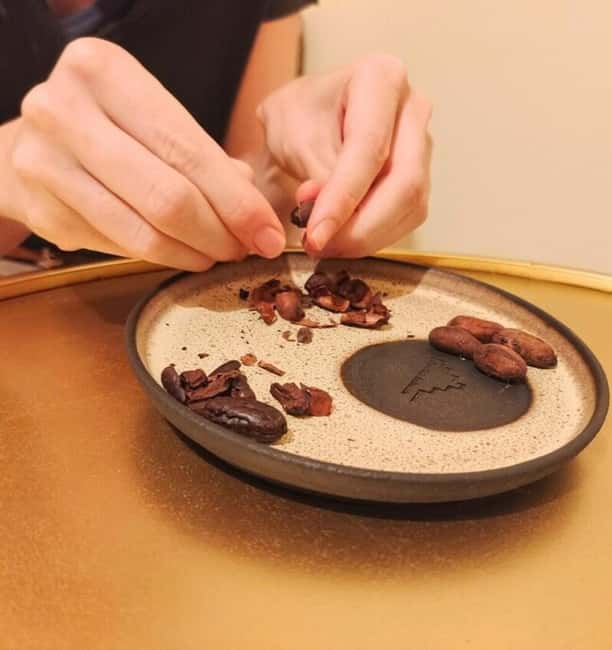
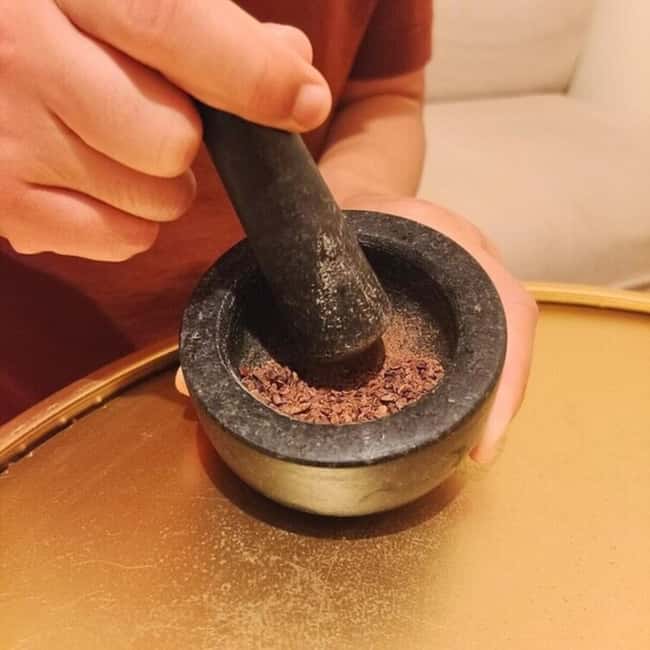
Then you move to the main activity: you craft your own bar from specialty cacao by grinding the beans. This is the “hands-on workout” part people remember.
A key point: this is not a technical class about traditional chocolate methods like tempering, melting, or shaping truffles. You’re not being trained to become a chocolatiers’ apprentice. Instead, you’re making chocolate through grinding and working with cacao and sugar, guided by the expert.
What you do get is the satisfaction of making something real with your own hands, and a clear understanding of how ingredient choices affect flavor.
Something different while you are in Ghent:
- Ghent: 50-Minute Medieval Center Guided Boat Trip
★ 4.5 · 5,637 reviews - Ghent: 40 Minute Medieval Center Guided Boat Tour
★ 4.4 · 884 reviews - Evening Tour of the Dark Side of Gent
★ 5.0 · 646 reviews - Ghent Bike Tour Off-the-beaten-track
★ 5.0 · 505 reviews
3) Chocolate history, told while you work
As you grind and shape your bar, the expert guides you through chocolate’s story across centuries. Expect the lesson to connect ancient and modern consumption habits, including famous historical figures and major inventions that changed how chocolate was enjoyed.
You’ll also sample different cacao-based products during this portion. That’s not just for fun. It helps your brain separate tastes and textures, so the “history” isn’t just names on a timeline.
One extra highlight here is that the workshop includes a taste tied to a very old chocolate drink, described as 5000 year old. If you like historical foods, this moment is a real conversation starter.
4) Shape your bar, then recreate a 17th-century hot chocolate
Once your bar is made and shaped, you switch to hot chocolate. You recreate a 17th-century recipe style, and you can customize it by adding your preferred amounts of spices, chocolate, and sugar.
There’s a simple practical warning here: chili can be stronger than you expect. If you love a little heat, great. If you don’t, go easy and taste as you go.
This part is valuable because it shows chocolate as a beverage, not just a candy. It also helps you understand how “seasoned chocolate” fit into older European tastes.
5) The tasting finale: four Belgian bonbons
To finish on a sweet note, you taste four chocolate bonbons from top Belgian chocolatiers. The line-up includes classic styles, including the iconic seashell shape.
This is a nice balance after the hands-on making. You can compare what you made to what professional chocolatiers do, without needing deep technical knowledge. And if you find yourself liking a specific flavor, you’ll have the chance to talk with the expert about what to look for when you shop afterward.
6) Take your chocolate bar or taste it first
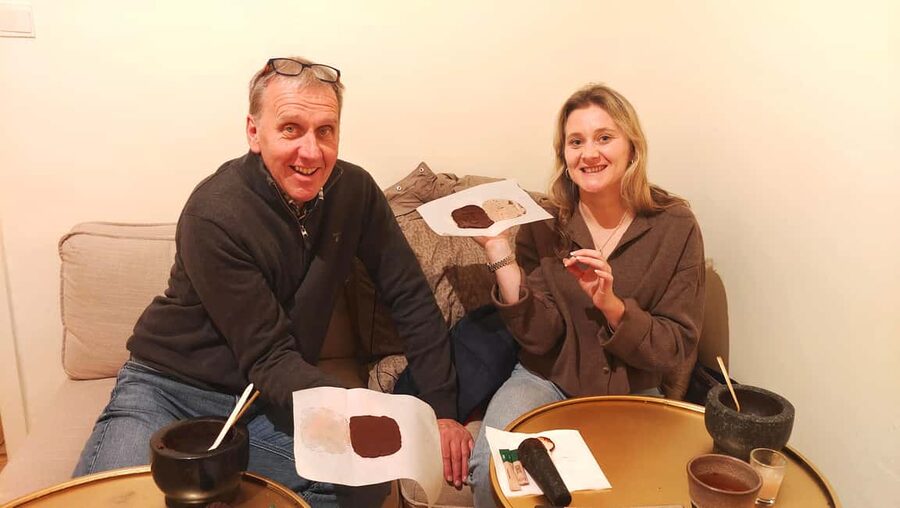
At the end, you can taste your bar, or take it home to share. That’s a small but meaningful difference from many food classes. You’re not leaving with only a memory and photos.
What makes this Ghent chocolate workshop worth the money
At $81 per person for 90 minutes, the price isn’t “cheap,” but it also isn’t trying to sell you only a story. You’re paying for real participation plus ingredients plus guided explanation plus multiple tastings.
Here’s what your money is covering, based on what’s included:
- Your own chocolate bar made from cacao beans
- Belgian artisanal chocolates from different makers
- Hot chocolate, served with a recipe you can use again
- Several cacao products and tastes throughout the workshop
- Water
- Explanations in English from a chocolate expert
So you get multiple experiences in one: make, learn, and taste. For me, that’s the main value. A lot of food tours hand you a bite and move on. This one gives you a bite and also shows you how the flavor happened.
Also, the small group size helps. With only up to 6 participants, the expert can guide you while you grind and shape, rather than rushing everyone through.
The chocolate history part: why it actually helps you taste better
The chocolate timeline in this workshop is not presented like a lecture. It’s built into what you’re doing and what you’re trying. That’s what makes it stick.
You’ll hear about major turning points and how chocolate moved between cultures and classes. It ranges from ancient civilizations described as Mayas and Aztecs to European courtly use, and it even touches on how modern candy formats developed. You’ll also hear stories that explain why certain products became popular, including the invention of the bonbon and the role of pharmacies.
You’ll probably get the biggest benefit if you go in with a simple attitude: taste first, then ask why. The expert’s pacing makes it easy to follow, and the tastings give you reference points you can remember when you’re back in a Belgian shop comparing bars.
One detail that stands out from actual participant experiences: people really respond to the engaging explanations and the way the session alternates between doing and tasting. That structure keeps energy up, and it prevents the history section from turning into a long talk.
Hot chocolate and spices, plus the chili reality check
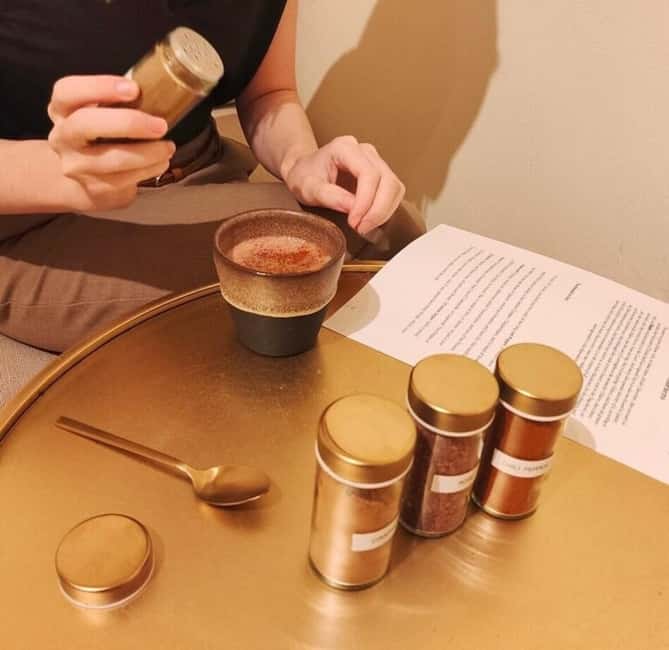
The hot chocolate portion is one of the most practical parts of the class. You aren’t just sampling something sweet. You recreate a 17th-century-style recipe and control the variables: spices, chocolate, and sugar.
That matters because spice and sweetness balance differently depending on how chocolate is processed and how it’s used as a drink. If you like customizing flavors, you’ll enjoy this part.
And please note the chili warning. It sounds simple, but chili in hot chocolate can land harder than you think. If you prefer mild flavors, start small, taste, and adjust.
Classic Belgian bonbons, including the seashell style
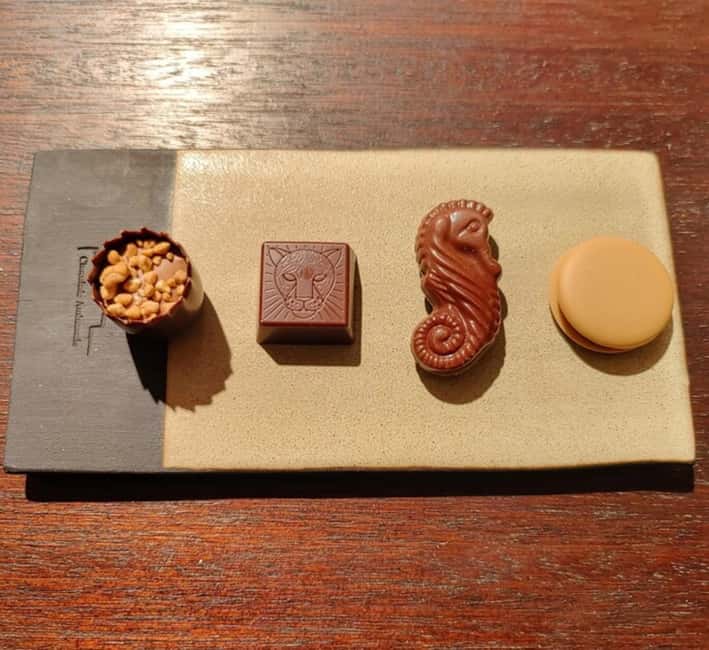
The bonbon tasting is a nice capstone because it shows you how chocolate becomes candy, not just chocolate as an ingredient. You’ll sample four bonbons from different makers, ranging from traditional to more modern flavor directions.
The seashell bonbon is an easy one to recognize, and it’s fun to taste it in context after learning how candy formats developed historically. Even if you’re not a candy expert, the variety helps you pick up preferences quickly.
If you have a favorite, the shop setting is useful. You can browse and shop after the tasting, and the expert can give personalized suggestions based on what you enjoyed during the workshop.
Location, timing, and how to pair it with a Ghent day
Meeting point is at Chocolade Ambassade, just around the corner from the Gravensteen castle. The guidance is to look for a taller traditional Flemish stairs house nearby, which makes it easier to find even if you’re walking the area for the first time.
The workshop itself is 90 minutes. After that, you’re well placed for classic Ghent sights. Within a five-minute walk, you can check out the Castle of the Counts, Patershol, and the Graslei and Korenlei area. If you want something slower afterward, there’s also a boat tour option nearby.
This is a good mid-morning or early afternoon activity because it leaves you energized rather than exhausted. You can eat afterward, but the tasting and your made bar already set you up for walking.
Price and practical expectations in a small-group class
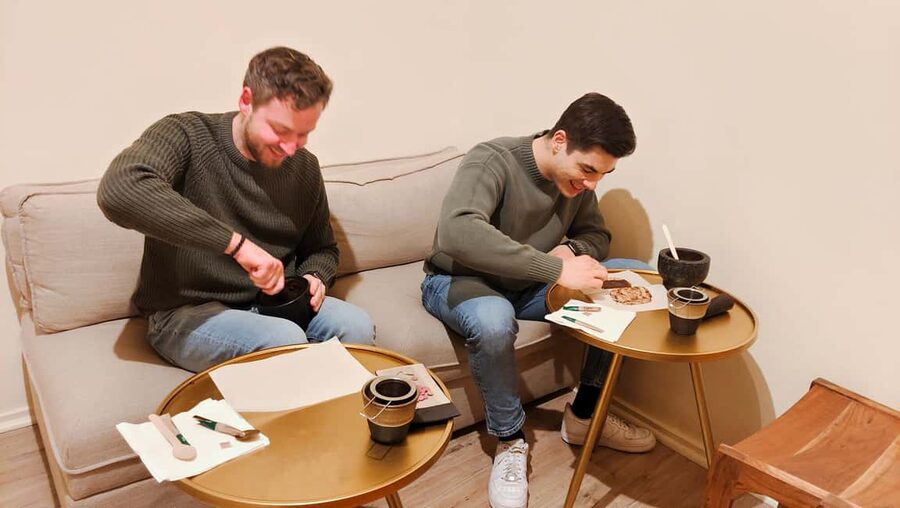
This is an English-language workshop with a small group capped at 6. That size is a quiet win. You’re more likely to get direct help while grinding cacao and shaping your bar.
Also, it’s designed for adults and teens, not little kids. It isn’t suitable for children under 12.
If you’re deciding between this and another chocolate experience, the core difference is the focus. Here, you make chocolate from scratch by grinding cacao beans, but you do not get instruction on more advanced technique like tempering or truffle shaping. Think of it as craft plus history plus tasting, not a technical chocolatiers course.
Before you go: cold shop, clothing choice, and hand strength
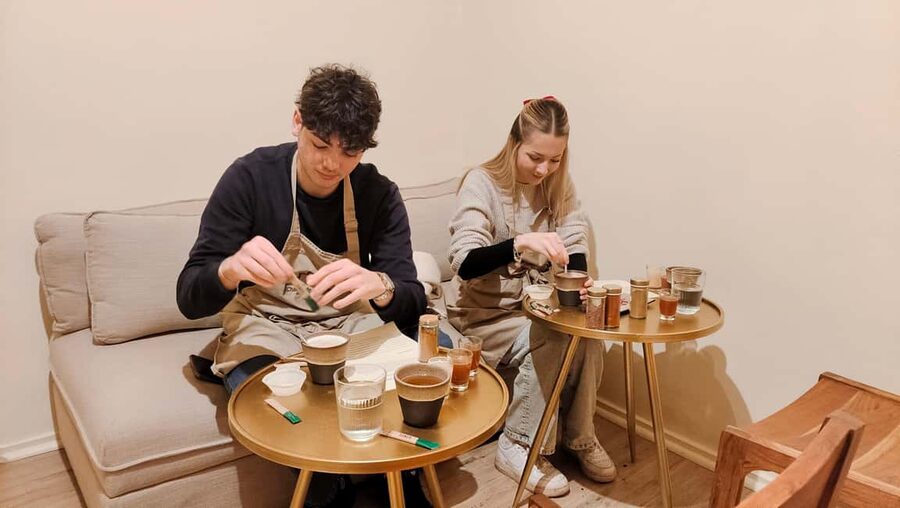
Read the small print here, because it’s genuinely important.
- Hand and wrist strength: You need normal strength in your hands and wrists, since you’ll be grinding beans. If you have reduced strength from conditions like rheumatism or arthritis, grinding may be challenging.
- Cold shop temperature: The shop temperature is kept around 18°C, sometimes lower. Bring a sweater or light jacket if you get cold easily.
- Clothes: While grinding, a small amount of chocolate may land on your clothes. Choose something comfortable you don’t mind protecting a bit.
These details may sound basic, but they make the difference between enjoying the experience and worrying about your outfit.
Who should book this Ghent chocolate workshop?
Book it if you want:
- A hands-on Ghent food experience, not just tasting
- Chocolate history told in a way you can remember because you’re making and tasting along the way
- Multiple tastings, including bonbons and hot chocolate with recipe
- A small-group setting where you can interact with the expert
It’s especially good for couples, friends, and solo travelers who like food with a story. One participant even mentioned that the class worked well for a wide age range, from a 12-year-old dark chocolate fan to older group members, which tells me the pace is approachable as long as you can handle the grinding.
Consider skipping if:
- You cannot comfortably grind cacao beans due to hand strength issues
- You prefer a class with no mess risk and no physical activity at all
- You want an advanced chocolate technique course like tempering or forming candies, since those techniques are not included
Should you book Chocolade Ambassade in Ghent?
If you want a chocolate workshop that feels both practical and memorable, I think this is a strong pick. You’re not just tasting Belgian chocolate, you’re making your own bar from cacao and learning how chocolate arrived at modern shapes and flavors. The small group size also keeps it friendly and guided.
If the hand strength and cool shop notes sound manageable for you, you’ll likely have a great time. If not, you might be happier choosing a tasting-only experience instead.
In a city like Ghent, where you’ll walk a lot anyway, this is a smart way to add something warm, interactive, and distinctly local to your day, especially with sights like Gravensteen and Patershol close by.
FAQ
Where is the meeting point for the chocolate history workshop in Ghent?
You meet at Chocolade Ambassade, just around the corner of the Gravensteen castle. Look for the tallest traditional Flemish stairs house.
How long is the workshop, and is there more than one start time?
The workshop lasts 90 minutes. Start times depend on availability, so you can check scheduling when you book.
Is the workshop taught in English?
Yes, the instructor provides the workshop in English.
How many people are in the group?
It’s a small group, limited to 6 participants.
What will I make during the workshop?
You’ll craft your own chocolate bar from cacao beans by grinding the cacao.
Does this experience teach chocolate-making techniques like tempering or shaping truffles?
No. It is not focused on technique training such as tempering, melting, or shaping into truffles or bonbons. You will make chocolate from scratch by grinding cacao beans.
What tastings are included?
You’ll taste different cacao products, recreate and taste a 17th-century hot chocolate, and sample four Belgian chocolate bonbons from different chocolatiers, including seashell bonbons.
Can I take my chocolate bar home?
Yes. After the workshop, you can taste your chocolate bar or take it home to share.
Is the workshop suitable for children?
No, it is not suitable for children under 12.
What should I wear if I’m sensitive to cold or worried about stains?
The shop temperature is kept around 18°C or lower, so bring a sweater or light jacket if you get cold easily. Also wear comfortable clothing since a small amount of chocolate may land on your clothes while grinding.
Reviewed lately in Ghent
- Ghent Running and Sightseeing Tour★ 5.0 · 3 reviews
- Children’s escape game in the city of Ghent Marsupilami★ 5.0 · 3 reviews
- Ghent Walking Tour – City Highlights and Beyond Tradition★ 4.5 · 3 reviews
- Ghent Scavenger Hunt and Highlights Self Guided Audio Tour★ 3.5 · 3 reviews
- Discover Ghent while playing! Escape game – The alchemist★ 4.0 · 4 reviews
- e-Scavenger hunt Mons: Explore the city at your own pace★ 5.0 · 4 reviews
- Discover Ghent while playing! Escape game – The Walter case★ 4.5 · 4 reviews
- Discover Mons while playing! Escape game – The alchemist★ 4.0 · 5 reviews
Historical Tours, compared.
Brussels: Historical Tour with Chocolate & Waffle Tasting
Read our review →
Brussels: Historical Walking Tour with Chocolate & Waffle Tasting
Read our review →
THE Storytelling Tour of Bruges | First Day Must | History & Tips
Read our review →
Ghent: 40-Minute Historical Boat Tour of City Center
Read our review →
Antwerp: Historical Walking Tour in the Old City
Read our review →Browse the lists this tour appears in