
The Volkskundemuseum is interesting because it treats everyday life like the main story. Instead of big monuments, you get rooms that feel staged, like someone paused daily life in 19th and early 20th century Bruges and left you to wander in.
I love how the museum uses restored laborers’ dwellings to make the past feel physical, not abstract. I also like the rotating temporary exhibitions upstairs, so your one visit does not feel stuck in one single theme.
One consideration: the museum has rules that keep the experience focused, like no large bags, so you will want to travel light.
Key things to know before you go
- Restored interiors you can walk through, including an old classroom, vintage pharmacy, tailor’s workshop, and old-style shops
- 19th and early 20th century artifacts that show real objects from everyday routines
- Temporary exhibitions upstairs that rotate, so the museum keeps its freshness
- Indoor gardens with folk games, a nice change from just standing and reading
- Seasonal moments, including sweet-maker days (first and third Thursday afternoons each month) and a Mid-winter Festival in December
Why the Volkskundemuseum feels like a time machine in Bruges
If you want Bruges with less postcard and more everyday texture, this is a strong pick. The Volkskundemuseum is built around the idea that daily life is worth preserving. You walk through historical interiors that look lived-in, with rooms arranged like you might step into someone’s routine: learning, working, buying food, picking up medicine, and indulging in sweets.
What makes it especially satisfying is the mix of settings. You are not only looking at furniture behind glass. You are moving from space to space, and that physical flow helps the details land. Even if you do not know much about Bruges before you arrive, the museum gives you a clear sense of how people lived, worked, and spent their money.
This also hits a useful sweet spot for families. For younger visitors, the rooms and objects can feel like a discovery game. For older visitors, it can feel like a gentle nostalgia trip without getting too sentimental.
More Museums in Bruges
- Bruges: Choco-Story Museum with Audio Guide and Tastings
★ 4.2 · 1,825 reviews - Choco-Story: The Chocolate Museum in Bruges
★ 4.0 · 544 reviews - Bruges: Chocolate Making Workshop and Chocolate Museum Entry
★ 4.6 · 395 reviews
Tickets for $9: value, timing, and what you really get
At about $9 per person for a one-day ticket, the value is in what you receive, not just the price. Your ticket covers entrance to the museum and the temporary exhibitions, so you get both the permanent focus on daily interiors and the added bonus of something changing.
The experience is listed as valid for one day, with starting times depending on availability. That matters because you can plan it as a calm block in your Bruges day rather than a stressful timed sprint. I like experiences where you can adjust to your own pace, and this one generally fits that style well.
Two practical notes from the info that affect your day:
- You can skip the ticket line, which is great in a city where time can vanish fast.
- The museum does not allow luggage or large bags, so your timing works best if your day includes a simple bag strategy.
Ground-Floor Rooms: workers’ homes, classroom, pharmacy, and workshops
Most of the museum’s power comes from how many different room types you can experience in one visit. As you move through the restored laborers’ dwellings, you get the sense that the museum is showing both the structure of a home and the rhythm of work. The dwellings give you a baseline for how everyday people lived, and then the other rooms help you see where daily tasks happened.
Here are the spaces you should plan to spend real time in:
- An old classroom: It is a chance to connect learning to the everyday world, not just treat education as a separate topic.
- A vintage pharmacy: Instead of modern medicine, you see how health was handled in earlier daily life. Even without reading everything, the setting tells you a lot.
- A tailor’s workshop: Great for spotting the practical side of craftsmanship, and how skills translated into what people wore and owned.
- A confectionery store: This is where “daily treat culture” becomes visible. You can almost imagine the smells and routines tied to sweets.
- A charming grocery store: Food history is more interesting when it is framed as shopping and daily supplies, not just ingredients on a label.
A small but important tip: do not rush the rooms because the museum’s strength is cumulative. One room might look like a snapshot. Ten rooms start to feel like a story.
The objects that make 19th and early 20th century life click
One reason this museum works well is that it includes lots of small items with big meaning. The artifacts help you move from “this looks old” to “this was used.” The museum includes details like:
- tobacco products and pipe heads
- pilgrimage pennants
- vintage children’s games
- cake and chocolate molds
Those categories do more than decorate the displays. They show how identity and leisure worked. Tobacco and pipes point to habits and social behavior. Pilgrimage pennants reveal belief and travel links. Children’s games remind you that play is constant, even when the toys change. And the cake and chocolate molds connect food to celebration and craft.
I especially like the way these objects can spark your own memory even if you never lived this way. You might not know a specific item, but you recognize the function behind it. That is what makes the museum feel accessible.
If you are visiting with kids, this is a great place to slow down and play “find it” with objects. If you are visiting solo, it is also a good way to pick a theme for your own attention, like games, food, or work tools, and then look for that theme across rooms.
Something different while you are in Bruges:
- Bruges: Small Group Boat Cruise and Guided Walking Tour
★ 4.8 · 4,102 reviews - Bruges: Guided Tour & Boat Ride with Optional Beer Tasting
★ 4.4 · 3,894 reviews - Historical Walking Tour: Legends of Bruges
★ 5.0 · 2,541 reviews - From Bruges: Great War Flanders Fields Minibus Tour w/ Lunch
★ 4.9 · 1,257 reviews
Upper Floor Temporary Exhibitions: how to make the most of them
Upstairs is where the museum shifts from “historical rooms” to temporary exhibitions. The info says these exhibitions rotate, so you are not just repeating one fixed storyline. That matters because it gives you a reason to return later, or at least a reason to pay attention even if the downstairs rooms already felt complete.
Since the temporary exhibitions are included with your ticket, I recommend you treat them as part of the main event rather than something you do only if you still have energy. Even a short pause with the upstairs displays can change the feel of the museum from “cool old rooms” to “this museum is actively thinking about how people lived and how culture changes.”
A practical strategy: scan the upstairs exhibits first, then go back downstairs only if something specific grabs you. That helps you avoid the classic problem of running out of time halfway through the second half.
Indoor gardens, folk games, and the sweet-maker culture
Some museum visits feel like indoor walking without a break. Here, the museum includes welcoming indoor gardens and folk games. That is a smart inclusion because it breaks the “room after room after room” pattern. It also lets you see a more playful side of folk culture, rather than treating folk life as purely functional or hard.
Then there is the seasonal factor, which can make your visit feel like a snapshot of the museum itself. The info highlights special sweet-maker moments on:
- the first and third Thursday afternoons of each month
- activity that runs through September 21, 2023, with a sweet maker return planned for 2024
If your dates overlap, this can be a memorable added layer. Even when you are not there for the sweet-maker event, the museum’s focus on cakes, chocolate molds, and confectionery rooms gives you that theme baked into the regular experience.
In December, the museum also hosts a Mid-winter Festival, which adds a festive rhythm to the year. If you like your museum visits to connect with seasonal life, this is exactly the kind of calendar detail worth planning around.
Practical tips for a smooth visit with rules and real-world constraints
A few rules affect how you should prepare your day:
- No luggage or large bags
- No pets, though assistance dogs are allowed
- No flash photography
I like museums that keep things quiet and comfortable, and these rules help. But they also mean you should plan your storage. If you are hopping between Bruges sights that day, think about whether you want to carry a bigger bag, or whether your day bag is enough.
If you are traveling with children, there is a helpful detail: children under 13 can get a free ticket at the box office. That can make this a family-friendly value, especially if you are also doing other Bruges attractions.
One more tip: plan for a 1-day block, not a 45-minute stop. The whole experience is designed to be taken in room by room, and the museum includes enough variety that rushing can flatten it.
Who this is best for (and who might want something else)
This museum is a strong match if you like:
- everyday history
- interiors and atmosphere
- objects you can look at closely
- a museum visit that works for both adults and kids
It is also a great choice if you want a break from the big sightseeing grind in Bruges. The focus is intimate. You do not need to be an architecture expert to enjoy it. You just need curiosity and a bit of patience for old objects and recreated spaces.
If you are looking for huge-scale modern museum design or major art collections, this may not be your top priority. The charm here is in what looks small and specific, because daily life is the point.
Should you book the Bruges Folk Museum ticket?
I think you should book if you want a one-day, high-value Bruges experience that feels grounded in real daily life. For roughly $9, you get museum entrance plus temporary exhibitions, and you walk through multiple kinds of spaces, from home interiors to workshops and old-style shops.
I would skip or at least reconsider if your plans involve bulky luggage, lots of shopping bag carry, or you rely on flash photography. The museum is strict about those things, and it will be more pleasant if you keep your gear simple.
If your Bruges day needs a calmer, more human kind of stop, the Volkskundemuseum delivers exactly that.
Reviewed lately in Bruges
- Belgium’s Gems: Bruges & Ghent Full Day Shore Trip from Zeebrugge★ 4.5 · 3 reviews
- Private 3-hour walking tour of Bruges with official tour guide★ 4.0 · 3 reviews
- Explore the Instaworthy Spots of Bruges with a Local★ 5.0 · 3 reviews
- Bruges Photo Session By a Pro★ 5.0 · 3 reviews
- Bruges: Private custom tour with a local guide★ 4.9 · 3 reviews
- Self-Guided Secrets Tour – Explore Bruges & Miss nothing★ 5.0 · 4 reviews
- Family Friendly Guided Bike Tour from Bruges to Flatlands★ 5.0 · 4 reviews
- Small-Group Tour of Bruges hightlights with a local. Free Praline★ 5.0 · 4 reviews
Museums, compared.
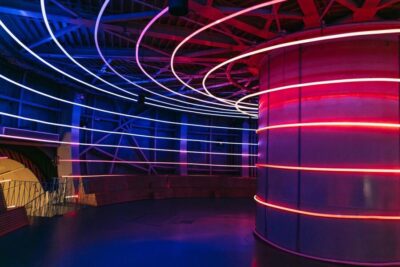
Brussels: Atomium Entry Ticket with Design Museum Ticket
Read our review →
Choco-Story Brussels: Chocolate Museum Entrance with Tasting
Read our review →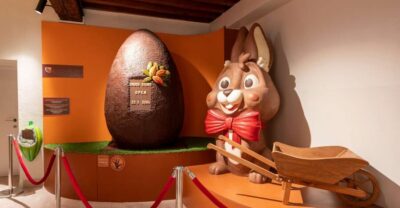
Bruges: Choco-Story Museum with Audio Guide and Tastings
Read our review →
Brussels: Chocolate Museum Visit with Workshop
Read our review →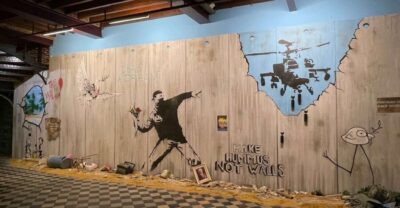
Brussels: The World of Banksy Museum Permanent Exhibition
Read our review →
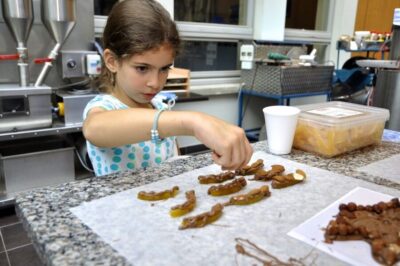
Bruges: Chocolate Making Workshop and Chocolate Museum Entry
Read our review →Browse the lists this tour appears in