
Reviewed · MUSEUMS
Bruges: Musea Brugge Card with Entry to 11 Museums
This card is interesting because it turns Bruges into a timed choose-your-own museum route. You get a 72-hour pass that keeps you moving from one landmark to the next, without the usual ticket stop-and-start. I especially like the Belfort experience, since a tower climb is one of the quickest ways to understand why Bruges looks the way it does.
I also like how the included sites cover more than art behind glass. You can connect Flemish Primitives at Groeninge with Michelangelo’s Madonna and Child at the Church of Our Lady Museum. The main drawback to plan for is seasonal timing, the Sint-Janshuismolen mill closes during winter and some hours are shorter in winter, so you may need to shuffle days.
Key highlights you will actually feel on your feet
- Skip-the-line entry with QR scanning, so you spend more time looking and less time waiting
- Belfort tower access is worth planning, and reserving a time slot online is recommended
- Big art hits in real churches, including Michelangelo’s Madonna and Child
- A museum mix that is not just paintings, from folk life to archaeology, furniture, and collections
- Most stops are close together on foot, so you can string visits without big transit plans
- Winter matters, especially for the Sint-Janshuismolen mill (opens April 1)
How the Musea Brugge Card works, scan to sight
The Musea Brugge Card is built for 72 hours of entry to 11 top Bruges museums and monuments. You get one-time entry to each included site, and you use your voucher by scanning it at the entrance of every stop.
You can start wherever you want. If you like an organized kickoff, head to the Museum Pavilion, the main ticketing center. If you do not, simply go to one of the included museums or monuments and scan your voucher at that door.
The practical win is speed. With skip-the-ticket-line access, you can keep your pace like a good walking day should feel. One caution: the card is not for carrying luggage or large bags, pets are not allowed (assistance dogs are fine), and flash photography is not permitted.
Also plan one small ahead-of-time move. For the Belfort (Belfry and Carillon), reserving a free time slot online is recommended. If you want that climb to be stress-free, do that early, then build your day around the time you choose.
More Museums in Bruges
- Bruges: Choco-Story Museum with Audio Guide and Tastings
★ 4.2 · 1,825 reviews - Choco-Story: The Chocolate Museum in Bruges
★ 4.0 · 544 reviews - Bruges: Chocolate Making Workshop and Chocolate Museum Entry
★ 4.6 · 395 reviews
Value check: when $38 makes sense in Bruges
At $38 per person, this pass looks reasonable, and it becomes a clear bargain once you stack visits. Many of the included museums have individual admission fees (one review notes about €15 each), so the math starts working fast once you go beyond a couple stops.
A good rule for deciding: if you plan to visit three or more included sites, the card usually pays for itself through saved ticket costs plus the convenience of fast entry. The best part is you are not locked into one museum style. You can move between paintings, church art, historical institutions, and even folk-life collections without paying again and again.
There is also an indirect value that matters more than people admit. When tickets are already handled, you keep your momentum. Bruges is a city of small steps and winding streets, and it is easier to say yes to the next door when you are not calculating entrance fees every time.
A simple way to structure 3 days with 11 sites
You do not need a strict route, but you do want a rhythm. Bruges is walkable in the ways that matter for museum hopping, and the included places sit close enough that you can group them into half-day chunks.
Here is a plan style that usually works well:
- Day 1: Belfort tower, then the city’s formal side and a major church museum
- Day 2: Groeninge and the Bruges art-and-patronage cluster
- Day 3: St John’s Hospital area, then the mill and folk life
The reason this works is flow. You get one dramatic height moment early, then you settle in for indoor art and museum time. Day three gives you the most unique texture: hospital history, a working-mill feel, and then folk-life stories.
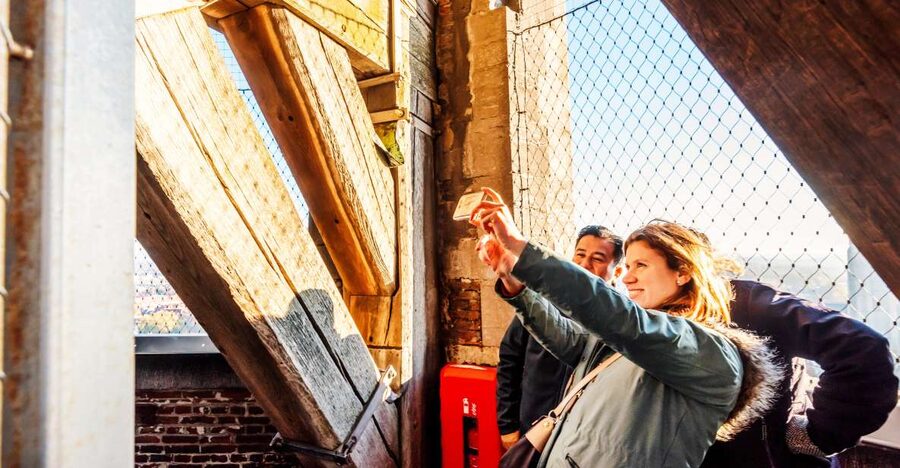
Climb the Belfort for panoramic views from 366 steps
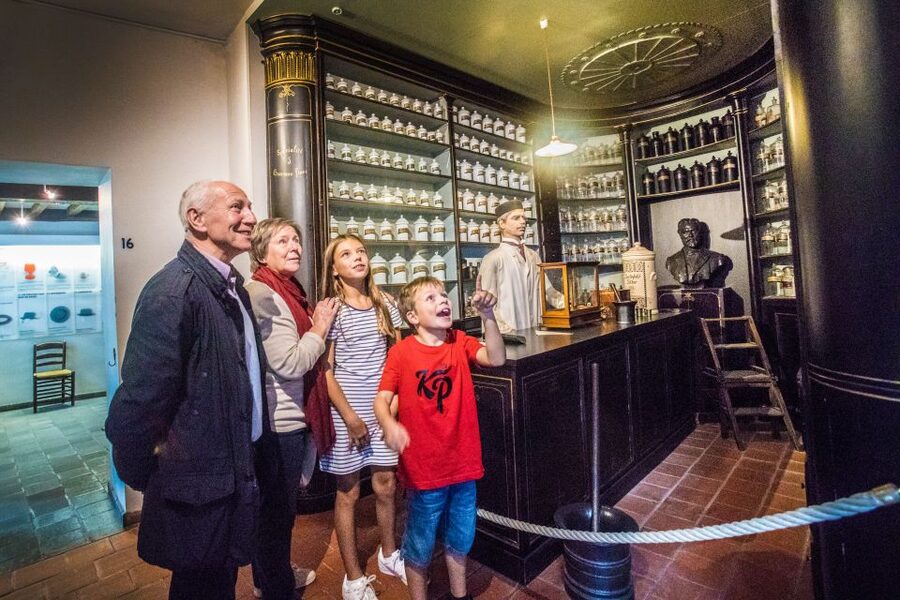
The Belfort (Belfry and Carillon) is the kind of “okay, I will do it” stop that becomes a “glad I did” memory. The tower climb is 366 steps, and you are rewarded with a panoramic view that helps you read the city.
Even if you are not the world’s biggest fan of stairs, this is one of the best time-to-view moments Bruges offers. Once you see the layout from above, street-level details make more sense, from the density of the historic center to the way the waterfront and church spires shape your walking routes.
Practical tip: treat the Belfort as your anchor appointment. Because reserving a time slot is recommended, choose a window when you want your best lighting and your most patient mood. Then keep the rest of the day flexible around that.
Something different while you are in Bruges:
- Bruges: Small Group Boat Cruise and Guided Walking Tour
★ 4.8 · 4,102 reviews - Bruges: Guided Tour & Boat Ride with Optional Beer Tasting
★ 4.4 · 3,894 reviews - Historical Walking Tour: Legends of Bruges
★ 5.0 · 2,541 reviews - From Bruges: Great War Flanders Fields Minibus Tour w/ Lunch
★ 4.9 · 1,257 reviews
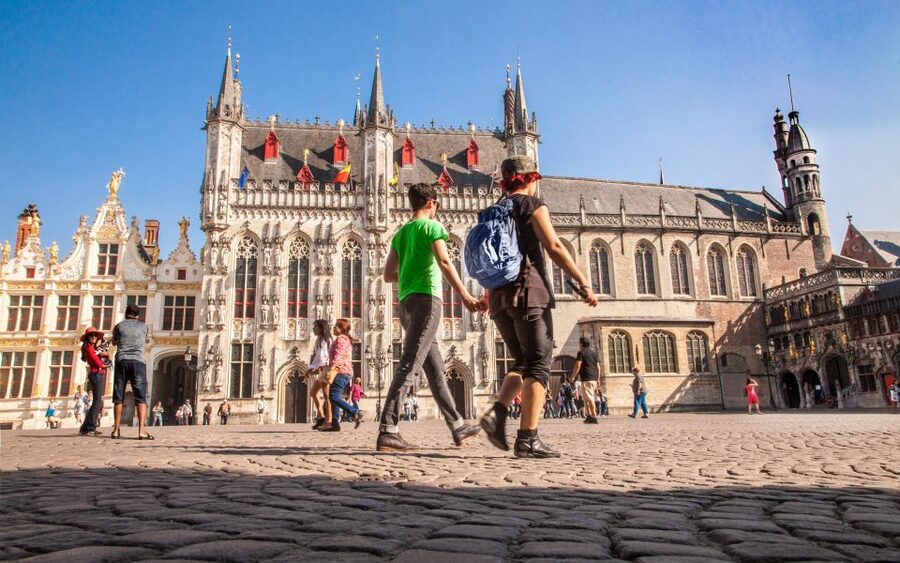
Stadhuis Brugge City Hall: the stately stop that rewards your attention
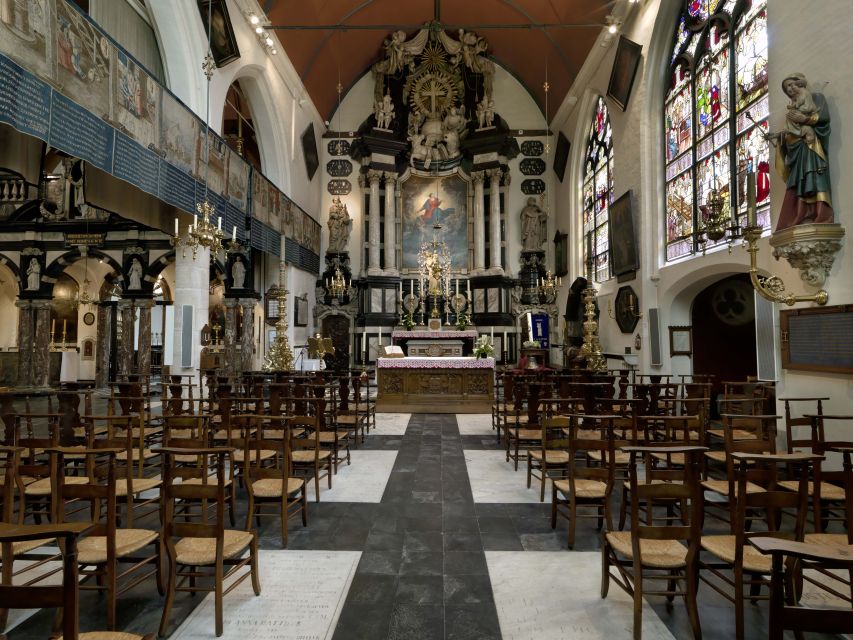
Right after the tower energy, the Stadhuis (City Hall) feels like a different kind of Bruges power. It is included on the card, and it pairs well with the Belfort because it fits the story of how the city looked after itself.
City Hall is not just architecture to pass by. It is a place you can slow down in, especially if you like seeing how civic life gets staged. If you only have time for a few museums, this is a strong candidate because it is both visually impressive and easy to pair with nearby stops.
Groeninge Museum: where Flemish Primitives click
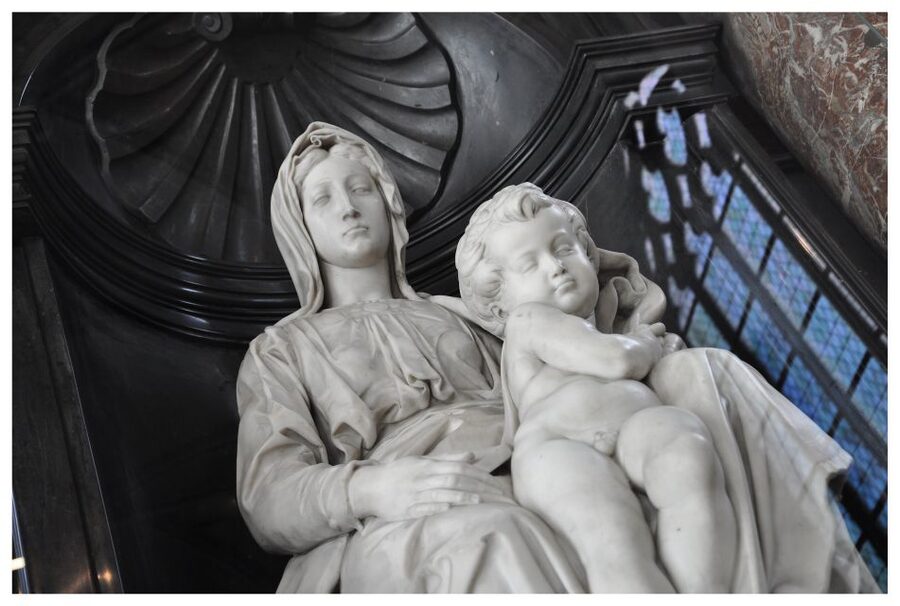
Groeninge Museum is one of the main reasons art lovers come to Bruges. It is included on the card, and it focuses on Flemish painting traditions, often called Flemish Primitives.
The best way to enjoy it is to treat it like a “choose a few and stay with them” museum. Do not try to see everything. Pick a couple works that hold your attention, then read the room around them. You will feel the difference between looking quickly and looking with intent, especially in a museum you can revisit over a longer weekend.
If you like art that feels tied to place, Groeninge makes that easy. You will spend less time wondering why something matters and more time enjoying how the style connects to the culture that produced it.
Church of Our Lady Museum: Michelangelo’s Madonna and Child
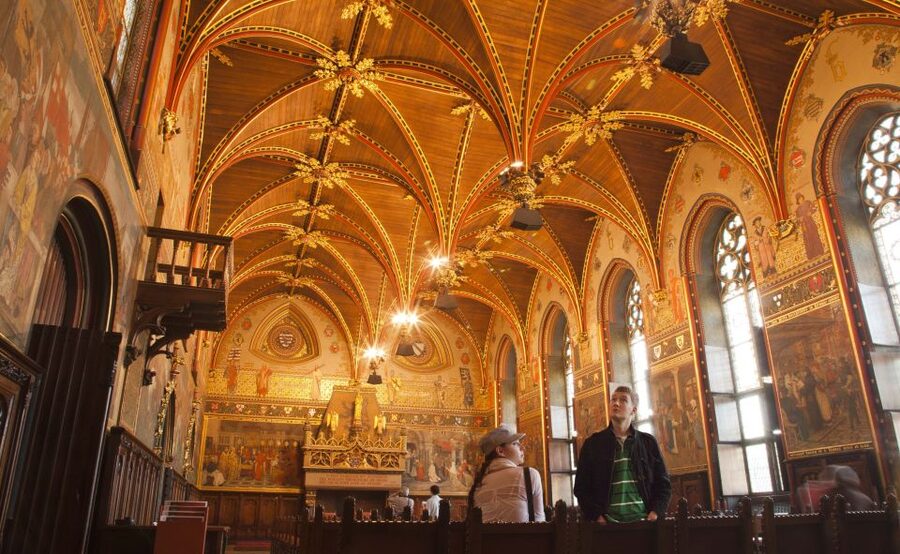
If you want one museum moment that feels bigger than the usual day-tour pace, this is it. The Church of Our Lady Museum includes Michelangelo’s Madonna and Child, a major name in a very local setting.
What makes it compelling is the contrast. You are standing in a church space, not a sterile display room, and the artwork lands differently. You get both the artistic pull and the physical sense of Bruges religious life.
This stop is also a great “anchor indoors” choice when the weather turns. Bruges weather can shift, and a church museum gives you a calm place to reset without giving up your sightseeing momentum.
Brugse Vrije, Gruuthuse Museum, and Gezellehuis: history through people and place
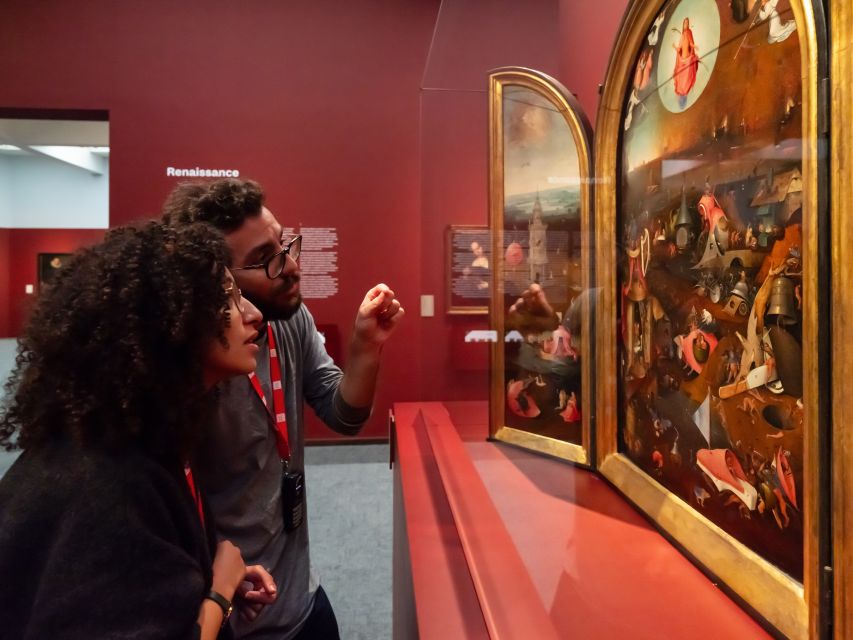
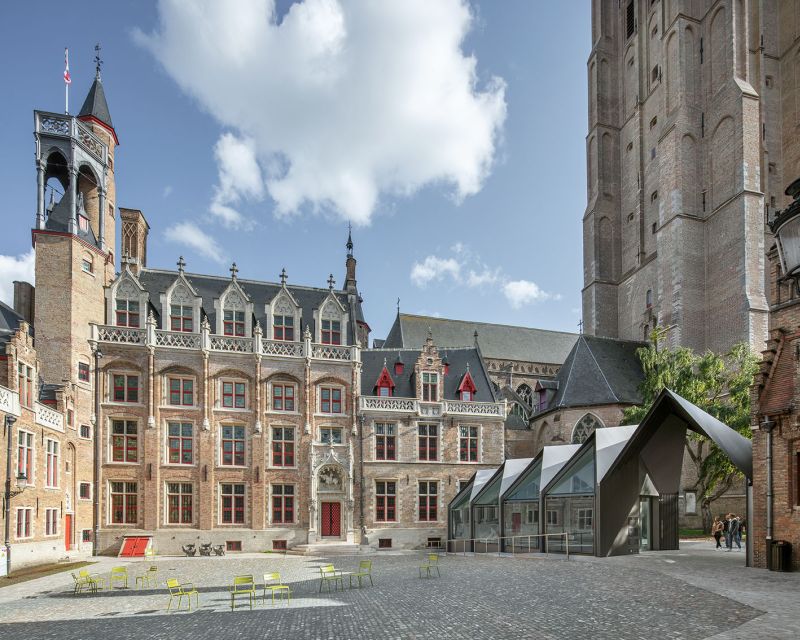
The included set also goes beyond big-ticket art. The Brugse Vrije (Liberty of Bruges) and Gruuthuse Museum help you understand Bruges through the institutions and patrons that shaped what you see today. Gezellehuis adds another angle by focusing on the person-linked cultural story of Bruges.
A useful way to approach these: do not chase every single room. Instead, look for what each place is trying to tell you. Is it civic authority, family influence, or cultural identity? When you treat them as chapters, they stop feeling like random collections and start feeling like a coherent Bruges.
One caution I would flag is that not every included site feels like a traditional museum. Some are smaller, and you might find that you want less time there than you expected. That is not a bad thing, just budget your expectations so you do not end up rushing the places you love.
Our Lady of the Pottery: a church stop with a different flavor
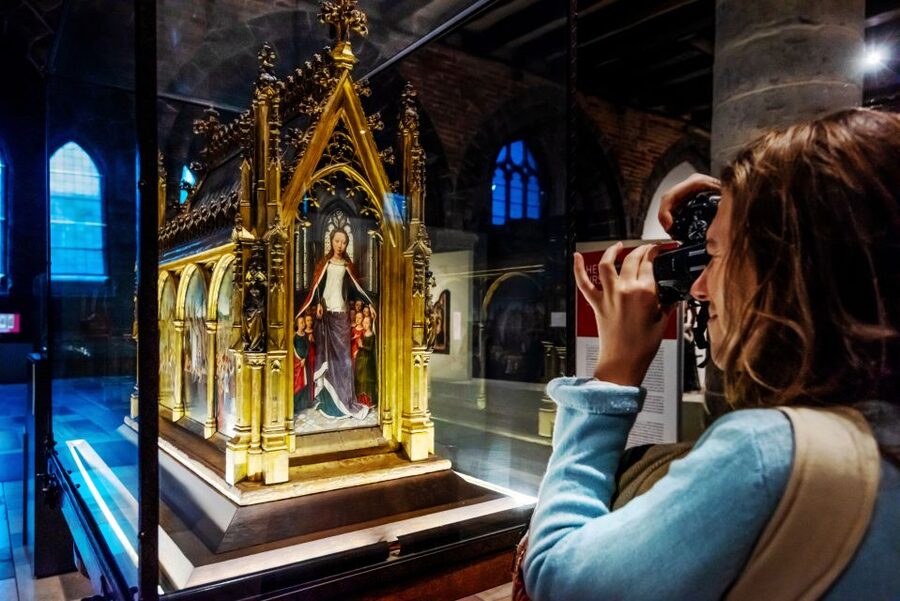
O.L.V.-ter-Potterie (Church of Our Lady of the Pottery) is included, and it brings another dimension to the Our Lady story in Bruges. If you like variety, this is the kind of stop that breaks up the art museum routine.
You are not just moving between buildings. You are connecting place names and local identity, and that makes your walks more meaningful. Even if this is not your longest stop, it helps you build a map in your head of what Bruges values and how that shows up in its religious spaces.
St John’s Hospital Museum: why this one earns time
If you want one included museum that repeatedly lands as a standout choice, it is Museum Sint-Janshospitaal (St John’s Hospital). I like it because it is history with a human core, and it is the kind of place that makes you think about care, community, and how institutions evolve.
This is also a good “slow down and look” site. Plan extra time here if you can. The card value gets even stronger when you hit a stop that changes how you see the city, not just how you check off a list.
Sint-Janshuismolen mill and Volkskundemuseum: the mix that makes Bruges feel lived-in
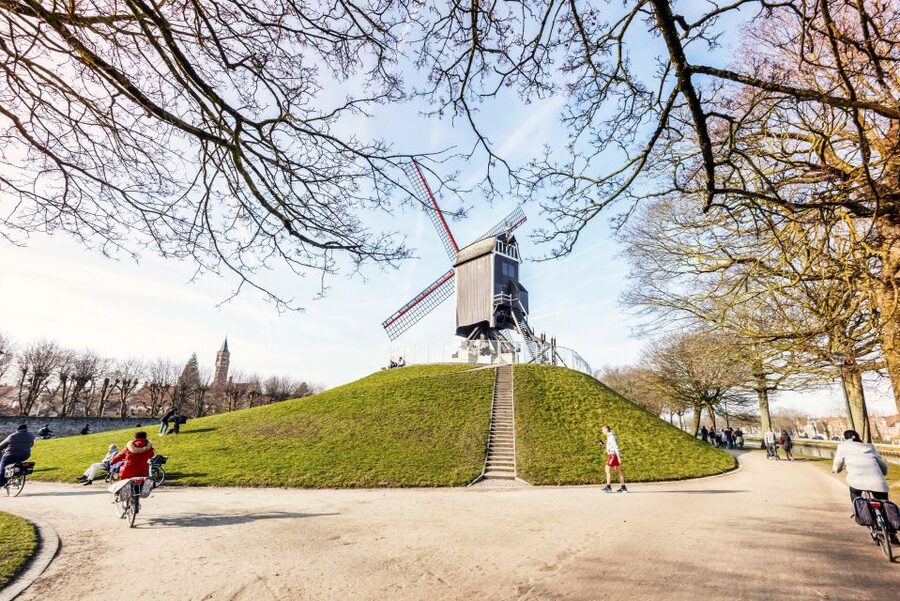
The mill, Sint-Janshuismolen (Sint-Janshuis Mill), is a highlight, and it adds a physical sense of work and craft to your Bruges day. Just know it has a seasonal schedule. It is closed during winter and opens April 1.
If you are visiting outside that window, you might feel like you lost a piece of the story. If that is your situation, adjust and focus on the other included stops that stay open.
When the mill is open, pair it with Volkskundemuseum (Museum of Folk Life). That combination gives you two different kinds of texture. The mill is about everyday production, and the folk-life side helps you read how ordinary people lived, celebrated, and carried traditions.
It is a strong pairing for a last day because it shifts you from art appreciation into cultural understanding. It makes your Bruges weekend feel less like sightseeing and more like getting to know how people built their lives.
Mobility and comfort: what to expect when you’re scanning all day
The card itself is simple to use, but the day can get long. You will be walking, and you will be doing multiple indoor stops. Wear shoes you trust for cobbles, and keep your phone charged. You are scanning your voucher at each entrance.
A helpful reminder: some museums like Gruuthusemuseum are not wheelchair accessible. If that matters for your group, you will want to plan accordingly, but the card still gives you plenty of other options.
Also, opening hours can be shorter in winter. If you visit in colder months, your best move is to visit your top priorities earlier in the day, then use the afternoon for flexible add-ons.
Who should book the Musea Brugge Card
This pass is a great fit if:
- You want major sights without doing separate ticket math all weekend
- You like art plus culture plus a few unexpected historical stops
- You plan to visit at least three of the included sites during your stay
- You want flexibility, because you can start at any included museum and use the QR scan approach
It might not be the best fit if:
- You are hoping for a guided, timed tour with a person leading you through every stop
- You only want one museum and a couple quick landmarks, because you may not get the full value
If you are traveling in a small group or as a pair, this card shines. Everyone can split interests, then regroup at the next entrance.
Should you book it
Yes, if you are doing a short Bruges visit and you want maximum payoff per hour. The best value comes when you commit to a minimum of three included sites, then let the card push you into the ones you might skip on a first pass.
I would book it especially for two reasons: the Belfort climb gives you an instant city-understanding moment, and the pairing of major church art with Groeninge makes Bruges feel like more than pretty streets. Just watch your calendar if you are traveling in winter, because the Sint-Janshuismolen mill closure can affect your plan.
FAQ
Do I have to start at a specific meeting point?
You can. The Museum Pavilion is the main ticketing center, but you can start at any included museum or attraction of your choice.
How do I enter the museums with the card?
At each attraction, scan your voucher at the entrance. There is no need for a physical ticket collection at the start of your day.
Do I need a time slot for the Belfort?
A free time slot reservation for the Belfort is recommended online at www.museabrugge.be/museabruggecard.
Which attractions are included with the card?
The card includes entry to 11 sites: Belfort (Belfry and Carillon), Brugse Vrije, Gezellehuis, Groeningemuseum, Gruuthusemuseum, O.L.V.-kerk Museum, O.L.V.-ter-Potterie, Museum Sint-Janshospitaal, Sint-Janshuismolen, Stadhuis (City Hall), and Volkskundemuseum.
Is everything open year-round?
Not all. The Sint-Janshuismolen mill is closed during winter and opens April 1, and opening hours are shorter in winter.
Can I bring luggage or pets?
No. The pass does not allow luggage or large bags, and pets are not allowed (assistance dogs are allowed).
Can I activate the card later after purchase?
Yes. You can activate your Musea Brugge card up to 1 year after purchase.
Reviewed lately in Bruges
- Belgium’s Gems: Bruges & Ghent Full Day Shore Trip from Zeebrugge★ 4.5 · 3 reviews
- Private 3-hour walking tour of Bruges with official tour guide★ 4.0 · 3 reviews
- Bruges: Ticket Volkskundemuseum (Folk Museum)★ 5.0 · 3 reviews
- Explore the Instaworthy Spots of Bruges with a Local★ 5.0 · 3 reviews
- Bruges Photo Session By a Pro★ 5.0 · 3 reviews
- Bruges: Private custom tour with a local guide★ 4.9 · 3 reviews
- Self-Guided Secrets Tour – Explore Bruges & Miss nothing★ 5.0 · 4 reviews
- Family Friendly Guided Bike Tour from Bruges to Flatlands★ 5.0 · 4 reviews
Museums, compared.
Brussels: Atomium Entry Ticket with Design Museum Ticket
Read our review →
Choco-Story Brussels: Chocolate Museum Entrance with Tasting
Read our review →
Bruges: Choco-Story Museum with Audio Guide and Tastings
Read our review →
Brussels: Chocolate Museum Visit with Workshop
Read our review →
Brussels: The World of Banksy Museum Permanent Exhibition
Read our review →
Bruges: Chocolate Making Workshop and Chocolate Museum Entry
Read our review →Browse the lists this tour appears in