
A ticket for Bruges Groeninge Museum is interesting because it squeezes six centuries of Low Countries art into one visit. You get an art timeline you can follow without hopping between multiple museums, and the collection is anchored in artists tied to the region, especially Bruges in the late 1400s and early 1500s.
I especially like the way early masters like Jan van Eyck, Hans Memling, and Hieronymus Bosch set the tone, then later painters keep pushing the visual language forward. One thing to watch: the museum closes at 17:00, so if you show up late, you may feel rushed, especially since large bags are not allowed inside.
Key things you’ll like about Groeninge Museum
- Six centuries in one route, from Flemish Primitives to 20th-century work
- Big-name Flemish artists including van Eyck, Memling, Bosch, and Jacob van Oost
- Audio and QR support that makes it easier to slow down and read at your own pace
- A modern jump to expressionists and Surrealism, with Paul Delvaux and René Magritte
- Not just paintings, with major printed-work holdings and post-war artists
A one-day ticket through six centuries of art you can actually follow
This is one of those Bruges stops that works well even if you only have a day. The Groeninge Museum is set up so you can move through time, not just across rooms. That matters, because art changes fast across centuries, and it is easy to miss the why if you are bouncing randomly from canvas to canvas.
What makes it click is the collection logic. You start in the era when Bruges mattered enormously for Northern Renaissance art, then you gradually slide into later European styles and movements, ending up in the 20th century with artists who are still clearly connected to Belgium’s creative pulse. I like that you can build your own “story arc” as you walk.
If you are the type who likes seeing how techniques shift, you will find plenty to connect. Composition and light work differently in the early Netherlandish tradition. Then, as you move forward, you see how later artists treat form, color, symbolism, and mood in new ways.
And because the museum offers regular temporary exhibitions and focus displays, the building does not feel frozen. Even if the permanent collection is the main event, there is often an extra reason to return.
More Museums in Bruges
- Bruges: Choco-Story Museum with Audio Guide and Tastings
★ 4.2 · 1,825 reviews - Choco-Story: The Chocolate Museum in Bruges
★ 4.0 · 544 reviews - Bruges: Chocolate Making Workshop and Chocolate Museum Entry
★ 4.6 · 395 reviews
Price and timing: what $17 buys, and why 17:00 matters
The ticket price is $17 per person, and the value is strong because it is not just “a quick look.” You are paying for a full day of access to a collection that spans a huge range, including major artists and well-known Belgian names.
A couple practical notes that will save you stress:
- Plan around the museum closing at 17:00. This is the kind of place where you can easily spend more time than you think, especially when you stop to read and compare works.
- Large bags are not allowed, so travel light. Small bags for essentials are usually fine, but if you are carrying a lot, expect friction.
- You also cannot use flash photography, which is normal for museums but still worth remembering.
On the planning side, the ticket is valid for one day, and you can choose a starting time based on availability. That is helpful because it lets you anchor your Bruges day. If you want a calmer visit, pick an earlier start rather than treating it like a “whenever” activity.
One more value booster: the ticket setup is designed to skip the ticket line. In a busy city like Bruges, that time adds up, and it helps you get into the galleries sooner.
Start with the Flemish Primitives and Bruges masters
When you walk into the Groeninge Museum, the early galleries are where the museum’s credibility really shows. This is where you meet the artists who helped define European painting.
You will spend time with the Flemish Primitives tradition, with names like Jan van Eyck, Hans Memling, and Hieronymus Bosch. Even if you only know them from art books, you can still feel what makes this period so influential: the attention to detail, the careful build of surfaces, and the way symbolism is often woven into the scene.
This section is ideal if you want an art-education experience without the pressure of a guided tour. You can take your time, compare works, and notice how different artists handle realism, narrative, and spiritual or moral themes.
Practical tip: give yourself time to read slowly
The museum has seating installations that make it easier to pause and look longer. That matters because early Netherlandish work rewards patience. If you speed through, you miss the smaller clues.
If you want extra context, use the museum’s audio guide and the QR codes placed for documentation. The audio guide is described as effective, and the QR-based info is useful for getting more out of what you are seeing, not just skimming the surface.
Something different while you are in Bruges:
- Bruges: Small Group Boat Cruise and Guided Walking Tour
★ 4.8 · 4,102 reviews - Bruges: Guided Tour & Boat Ride with Optional Beer Tasting
★ 4.4 · 3,894 reviews - Historical Walking Tour: Legends of Bruges
★ 5.0 · 2,541 reviews - From Bruges: Great War Flanders Fields Minibus Tour w/ Lunch
★ 4.9 · 1,257 reviews
Jacob van Oost and the pull of later Northern Renaissance painting
After the foundational masters, the museum expands the story. You will see additional historical works and grand canvases, including paintings by Jacob van Oost.
This is a good transition zone. It bridges the early “iconic” artists with the broader world of Bruges art and Flemish painting in general. If you liked the early period, this part helps you understand how artists and audiences kept changing their tastes and expectations.
You will also notice decorative themes, including flower pieces and historical items. Those categories sound small on paper, but in practice they are where you often learn something about how objects, status, and symbolism traveled through art. A flower painting is never only about flowers.
Neo-classical artists: Suvée and Duvivier bring a new mood
Then the museum moves into later centuries, and the feel changes. You start meeting Bruges-connected neo-classical artists, including Joseph-Benoît Suvée and Jean Bernard Duvivier.
What I like about this shift is that neo-classicism is not just another style. It is a different way of thinking about art’s job in society, including history painting and formal portraiture. You can see how artists moved toward clearer narratives, more idealized forms, and a more “organized” visual structure compared with earlier Renaissance work.
This part is especially satisfying if you enjoy watching how European art becomes more academic and more rule-based, even as it still tells dramatic stories.
The 19th and 20th century collection: expressionists, then Surrealism
Later galleries are where you get the biggest emotional payoff if you love modern art. The Groeninge Museum includes 19th and 20th century work by artists such as Edmond van Hove, Ferdinand Khnopff, and Emile Claus, and it also includes Flemish expressionists like Permeke, De Smet, Van de Woestyne, and Brusselmans.
Expressionism is a real pivot from the earlier periods. Instead of precision and restraint being the main game, mood and raw feeling become central. You might feel this as you move from controlled, detailed scenes into work that uses shape and color more aggressively to communicate emotion.
Then the museum makes sure you get access to major names in Belgian Surrealism and post-classic modern art, including Paul Delvaux and René Magritte. If those artists are familiar to you, you will see why they became famous. If they are not, this is still a great place to start, because the museum gives you a pathway from earlier European traditions into the modern imagination.
Post-war strength: De Keyser and Raveel, plus more modern surprises
The museum does not stop at mid-century. You can also find post-war works by Raoul De Keyser and Roger Raveel.
This matters because it turns the museum from a “big names” stop into a fuller portrait of Belgian creativity. Post-war work often carries the weight of a changing world, and even without knowing the details of each artist’s biography, you can often see the shift in attitude, subject matter, and visual language.
Beyond paintings: Broodthaers prints and Georges Van Tongerloo
One of the smartest reasons to go is that the collection is not limited to conventional painting. The museum houses complete editions of Marcel Broodthaers’ printed works, and it includes multiple masterpieces by Georges Van Tongerloo.
If you usually think of museums as a sea of frames, this is your reminder that contemporary art sometimes lives in prints, editions, and design-driven objects. It helps you broaden what counts as art, especially as you reach the late modern part of the museum.
And the good news is that you do not need to be an expert. If you are the type who likes to ask, “What is the medium doing here?” these sections give you material to think about.
How to pace the visit with audio, QR codes, and seating
With a museum that runs from Renaissance masters to 20th-century icons, the biggest risk is rushing. You will start strong, then fatigue hits, and you start walking faster just to get through.
Here is how I would pace it so it feels like a satisfying day rather than a checklist:
- Start with what you most want first. If you care about van Eyck, Memling, Bosch, and Bruges art, hit those early.
- Use the audio guide and QR codes when a work grabs your attention. Do not use them constantly, or you will turn your visit into reading exercises.
- Pause often. The seating setup makes it easier to sit with a painting instead of hovering awkwardly.
- Leave time for modern rooms even if you are not a modern-art person. The Surrealism and expressionism sections change the emotional temperature of the visit, and it is usually worth sticking with.
Also, if you find yourself wanting more time for wall text, you can do that without feeling like you are slowing down your entire day. The museum is designed for lingering.
Temporary exhibitions: why they matter even on a single ticket
The museum regularly features temporary exhibitions, focus displays, and ongoing research projects that can draw international attention.
That means your Groeninge Museum experience might feel slightly different depending on when you go. Even if your main goal is the permanent collection, it is smart to check what is on view during your dates. A temporary show can add extra context around the permanent works, or it can give you a different entry point into the museum’s thinking.
For a one-day visit, that can turn a “good museum” into a “remembered visit.”
Who this fits best (and who might want to plan another option)
This ticket is a strong fit if you:
- Want a single Bruges museum that covers a wide art timeline
- Like Northern Renaissance masters and Flemish expressionists
- Enjoy modern Belgian names like Magritte and Delvaux
- Want an art stop that you can personalize with audio and QR support
You may want to think twice if you:
- Have very limited time and need a quick two-sweep attraction
- Travel with large luggage, since large bags are not allowed
- Hate the idea of a hard closing time at 17:00
Should you book the Groeninge Museum ticket?
Yes, I think you should book it if you want real value from your Bruges day. For $17, you are getting a museum that ranges from Flemish Primitives to major 19th and 20th century artists, plus extra support like audio and QR documentation.
Book it early in the day so you are not racing the clock. Bring lighter luggage than you think you need. And if you care about learning while you look, this museum is set up to help you do exactly that, without feeling like you must rush or memorize everything.
If you want one museum ticket that gives you a clear art journey and still leaves room for pauses, this is one of the better bets in Bruges.
FAQ
How much is the Groeninge Museum ticket?
The ticket price is $17 per person.
Is the ticket valid for more than one day?
No. The ticket is valid for one day, and you can check availability for starting times.
Do I skip the ticket line?
Yes. Your ticket includes skip-the-line entry.
Is the museum wheelchair accessible?
Yes. The museum is described as wheelchair accessible.
Are pets allowed inside the museum?
Pets are not allowed. Assistance dogs are allowed.
Can I bring a lot of luggage or take photos with flash?
Large bags or luggage are not allowed, and flash photography is not allowed.
When does the museum close?
The museum closes at 17:00.
Reviewed lately in Bruges
- Belgium’s Gems: Bruges & Ghent Full Day Shore Trip from Zeebrugge★ 4.5 · 3 reviews
- Private 3-hour walking tour of Bruges with official tour guide★ 4.0 · 3 reviews
- Bruges: Ticket Volkskundemuseum (Folk Museum)★ 5.0 · 3 reviews
- Explore the Instaworthy Spots of Bruges with a Local★ 5.0 · 3 reviews
- Bruges Photo Session By a Pro★ 5.0 · 3 reviews
- Bruges: Private custom tour with a local guide★ 4.9 · 3 reviews
- Self-Guided Secrets Tour – Explore Bruges & Miss nothing★ 5.0 · 4 reviews
- Family Friendly Guided Bike Tour from Bruges to Flatlands★ 5.0 · 4 reviews
Museums, compared.
Brussels: Atomium Entry Ticket with Design Museum Ticket
Read our review →
Choco-Story Brussels: Chocolate Museum Entrance with Tasting
Read our review →
Bruges: Choco-Story Museum with Audio Guide and Tastings
Read our review →
Brussels: Chocolate Museum Visit with Workshop
Read our review →
Brussels: The World of Banksy Museum Permanent Exhibition
Read our review →
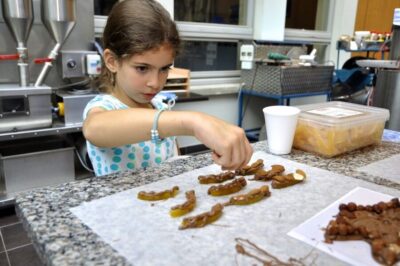
Bruges: Chocolate Making Workshop and Chocolate Museum Entry
Read our review →Browse the lists this tour appears in