
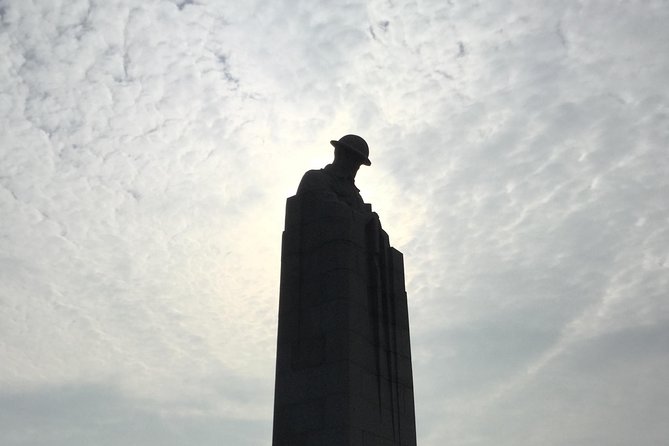
Reviewed · FLANDERS FIELDS & WWI BATTLEFIELDS
From LIlle or Bruges, Christmas Truce to Passchendaele Ypres 1 day WW1 private
This private 9-hour WWI drive through the Ypres region is interesting because it strings together battlefield ground, memorials, and trench remnants in one guided circuit. I like the chance to stand on the ground tied to the Christmas Truce and later Passchendaele fighting. I also like that the guide, Søren, can tailor the day if you have family history connected to the area. One possible drawback: it is a long day, and lunch is not included, so plan to manage your hunger.
Pickup from Ghent, Bruges, Lille, and other spots around Ypres keeps logistics easy, and the mobile ticket helps you stay focused on the sites. I like the mix of major landmarks like Tyne Cot with the smaller, more specific places that explain how soldiers lived and fought on this ground.
The best part is how the day flows, long enough at each key site to take it in, but tight enough to connect the stories. If you want a respectful day with clear context and an expert local guide, this is a strong match.
Key highlights worth your attention
- Christmas Truce stop at Messines Ridge, plus mine craters and the crypt connected to Adolf Hitler’s treatment
- Menin Road perspective near Hooge Crater Cemetery, right where Australian gun pits were for the Passchendaele assault
- Hill 60 and the tunnelling story, including the mine blown at 3.10am on 7 June 1917
- Tyne Cot Cemetery scale, including the 12,000 burials and the fact that only 3,000 have names
- Sanctuary Wood Museum trenches, with original WWI trenches and admission included
Entering the Ypres Salient, where the ground does the talking
A WWI day around Ypres can go one of two ways. Either you drive by plaques and feel like you learned the dates but not the weight. Or you walk through the actual spaces where things happened and let a guide stitch the timeline together so it makes sense.
This tour is built for the second option. You cover a chain of sites tied to the Ypres fighting, with an emphasis on trench life, cemeteries, and the specific actions that shaped the region. With Søren leading in English, you are not just collecting stops. You are getting explanations that help you understand what you are seeing and why it matters.
Because it is private, you also get room for real questions. One of the best perks here is the tailoring for family history. If your connection is to a unit, a place name, or a specific moment, this type of day can turn from “interesting” into personal and meaningful fast.
A few more Ypres options to weigh up
- From Brussels: Guided Day Trip to Bruges and Ghent
★ 4.6 · 8,353 reviews - From Amsterdam: Bruges Day Trip in English with Boat Option
★ 4.4 · 1,989 reviews - From Amsterdam: Bruges Day Trip in Spanish with Boat Option
★ 4.6 · 1,866 reviews
Getting to the start point: pickup and mobile ticket ease
The day starts at 9:00 am, and pickup is offered from hotels or B and Bs within a 66 km radius of Ypres. That includes Ghent Dampoort Station for Ghent pick ups, plus Lille and Arras in France. Drop off is also part of the package, which matters because Ypres area routes can be easier by car than by juggling trains, buses, and taxis.
You also get a mobile ticket, which reduces the hassle factor on the morning of. And since this is a private tour, you do not have to share the schedule with strangers, which helps if you want a slower pace at cemeteries or extra time at a site that hits harder.
One small practical note: the tour runs about 9 hours. So even with pickup handled, you should treat this like a full-day outing. Comfortable shoes and a plan for meals matter more than on a half-day tour.
Messines Ridge: Christmas Truce ground, mine craters, and a chilling crypt
Messines Ridge is where the day turns from general “WWI in Belgium” into specific lived moments. You spend about 2 hours here, with free admission included.
You visit mine craters, which are among the most visible reminders of how industrial this war became. Then you hit a scene connected to the Christmas Truce. It is one of the oddest and most human storylines to emerge from a place better known for artillery and mud. Standing on the ground where that kind of pause and contact is remembered helps you see why people later clung to it as a moral counterpoint.
The stop also includes the crypt where Adolf Hitler was treated for his wounds. That detail is one of those history facts that can feel almost too strange for a quiet cemetery or trench area. The value here is not the shock. The value is that you see how the same place held both the everyday horror and the personalities that later shaped propaganda and politics.
If you want your day to feel balanced, Messines Ridge is doing that job. It gives you the emotional swing from brief human contact to battlefield destruction, then ties it to real places rather than stories floating in space.
Hooge Crater Cemetery and Menin Road: VC ground and the assault lines
Hooge Crater Cemetery is short on time, about 15 minutes, but it is packed with meaning. Admission is free.
You visit Pat Bugden VC, a 20-year-old Victoria Cross recipient. This kind of stop matters because it turns the cemetery from a sea of names into named sacrifice. Even if you are not a “military detail” person, a specific figure like Bugden helps you orient emotionally. You feel the contrast between youth and the scale of loss in one place.
Then you stand on the Menin Road directly alongside where the Australian gun pits were positioned for the assault on Passchendaele. That matters for how you picture the attack. From the road, you can often feel far from the front line. But with the right explanation, that road becomes part of the operational picture, not just a pass-through.
This is one of those stops where I’d pay attention to the guide’s directions. Where you stand changes what you understand. If you are the type who likes to look for vantage points and alignments, this is a great moment for it.
More around Ypres:
- From IEPER Private 4-hour Tour of the Ypres Battlefield
★ 5.0 · 154 reviews - In Flanders Fields and Passchendaele Half Day Morning Tour
★ 5.0 · 117 reviews - Ypres: An exploration of the deadly salient battlefields
★ 5.0 · 76 reviews - From Ypres, The Christmas Truce to Passchendaele Ypres Based WW1 private tour
★ 5.0 · 29 reviews
The Australian HQ ground in September 1917, plus earlier Nov 1914 actions
Between the cemetery stops, you get a site tied to the Australian HQ in September 1917. The tour also notes earlier actions on the same ground in November 1914.
Even without long museum-style time, this kind of stop is useful because it shows continuity. The Ypres area was fought over repeatedly, not just once. A place you associate with a later campaign often had earlier conflict that shaped what came afterward.
What I like about this inclusion is that it avoids a too-clean timeline. You learn that the war is not a straight line. It is recurring pressure, repeated claims, and the re-use of ground that never really becomes “safe.”
If you have family ties, this is also the kind of stop where your information might suddenly make sense. A unit name, a date, or a location you thought you understood from a document can click when you see where the command and decisions were tied to the terrain.
Polygon Wood: concrete bunkers, woods, and the Australian 5th Division monument
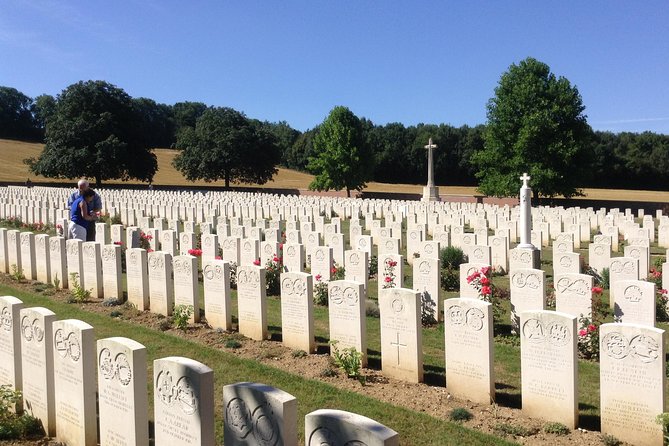
Battle of Polygon Wood is a shorter walking stop, about 30 minutes. Admission is free. You walk through the woods and visit concrete bunkers that were present when Australian soldiers captured during the battle.
Polygon Wood is powerful because it addresses a common question people have when they imagine trench warfare. How do you fight when the battlefield is literally shaped by trees, cover, and the way visibility works? A woods battlefield does not behave like an open field. The structures, the bunkers, and the layout help explain why movement and detection were so hard.
You also visit the cemetery and the Australian 5th Division monument. That pairing is helpful. The cemetery gives you the human outcome, and the monument ties it back to the unit history.
For me, this is the sweet spot on the day for respectful walking. You are not stuck in a lecture. You are moving through the same kind of space the soldiers moved through, and the guide helps you read it.
Hill 60: Captain Woodward, tunnelling, and the mine crater at 3.10am
Hill 60 gets about 45 minutes and is one of the best “how it worked” stops on the itinerary. Admission is free.
Here you hear the story of Captain Woodward and the 1st Australian Tunnelling Coy, including a massive mine blown at 3.10am on 7 June 1917. You see the crater linked to that explosion.
Tunnelling is one of those parts of WWI that many people know in theory, but do not fully understand until they see the physical result. A crater is not just damage. It is an operational event. It is an attempt to change the battlefield by engineering the ground itself.
What I like is how this kind of stop makes the war feel mechanical in a scary way. Soldiers were not only pushing across trenches. They were trying to reshape terrain, sometimes underground, sometimes with timed explosions. Hill 60 makes that strategy concrete.
Moving along the Australian advance: short driving segments that connect the map
Between the major stops, you drive sections along the line of the Australian advance. You also pass through Zonnebeke along that same general line later in the day.
These driving portions might look like “just transport,” but they serve a real purpose. They connect the sites so you get your bearings. Ypres area geography is easy to misunderstand without the road context, especially if you have only seen photos.
If you want a day that feels coherent, watch for the guide pointing out how the route links different parts of the fighting. It makes the eventual final stops feel more grounded, not like random locations you visited and forgot.
Tyne Cot Cemetery: the Commonwealth scale, the name count, and two VC burials
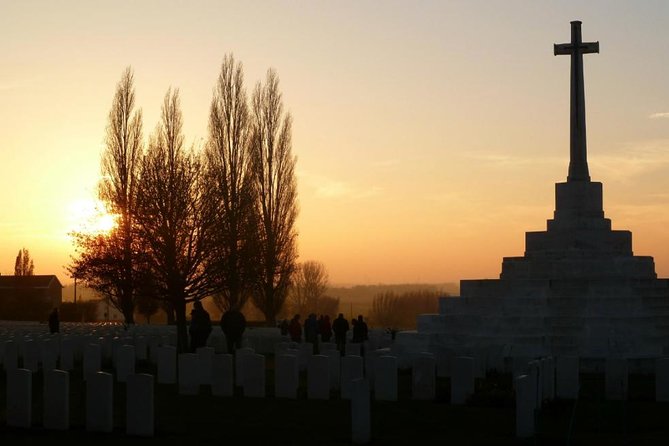
Tyne Cot Cemetery is where the emotional weight becomes almost hard to process in one go. You have about 45 minutes here, admission is free.
You visit the world’s largest Commonwealth War Graves Commission cemetery, with around 12,000 soldiers buried. Only 3,000 have names listed. That detail is not trivia. It tells you how much was lost, how much was never recovered, and how incomplete “memory” can be when the war turns everything into chaos.
You also learn that two Australian VC recipients are buried here. I like how this tour uses VC names as guideposts. It helps you focus the mind. Instead of trying to absorb everything at once, you have specific stories and memorial meaning to hold onto.
Tyne Cot is also one of the places where I’d suggest slowing down mentally, even if time feels tight. Cemeteries reward stillness. If you rush, you miss the way the guide’s explanations can turn names and dates into a human sense of scale.
John McCrae site and In Flanders Fields: why poetry belongs here
About 30 minutes goes to the John McCrae site. Admission is free.
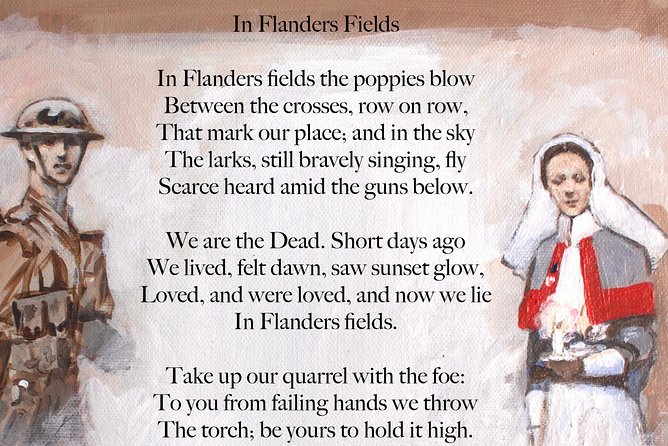
You see the hospital site where Lt Col John McCrae composed In Flanders Fields. This is one of the stops that makes the day feel more than memorial tourism. It connects the physical war to how people tried to speak from it.
Poetry can sound distant until you stand in the kind of place that inspired it. Even if you know the poem already, hearing the connection in context can change how you read it in your head afterward.
This is also a good spot to reflect on why memorials matter. They are not only about mourning. They are also about language, remembrance, and the effort to keep meaning from disappearing.
Menin Gate Memorial: 55,000 missing names and the Last Post possibility
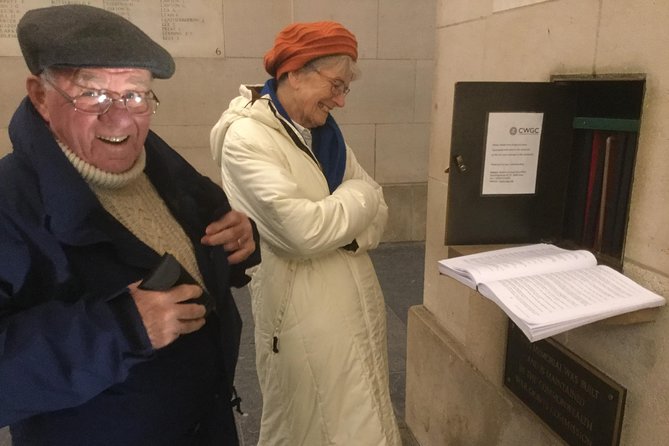
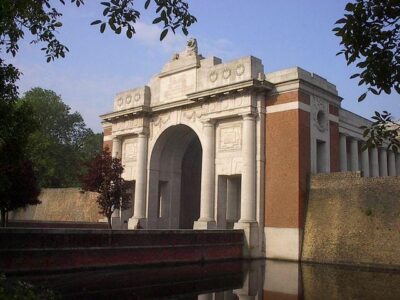
Menin Gate Memorial is about 20 minutes, admission is free. You hear the story of how the memorial came about and the stories behind the 55,000 names listed as missing here.
That number is the point. Menin Gate represents the people who are not at peace in a grave you can visit. The names are the only solid anchor some families have.
A helpful perk, mentioned by guests in their experience with this sort of visit, is that if you have time, you might be able to stay for the Last Post at Menin Gate. It is worth asking the guide if your schedule allows it, especially since your day is private and time can sometimes flex slightly.
If you care about ceremonial remembrance, this stop is often the emotional peak. Even if you are not the type to get teary, the scale of missing names does something hard to undo.
Sanctuary Wood Museum: original WWI trenches and your final hands-on minute
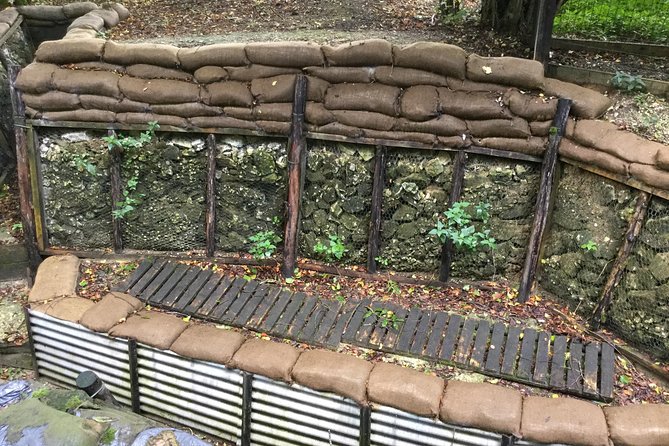
The day ends with Sanctuary Wood Museum for about 40 minutes. Admission is included.
This part is different from cemeteries and monuments because it gives you trench remnants. The tour highlights the unique original First World War trenches here. Time in a trench setting changes your understanding fast. Suddenly you are not only reading about defense lines. You are dealing with the physical reality that men lived in.
If you finish your day here, you may find the earlier stops click even more. Hill 60, bunkers at Polygon Wood, and the cemeteries all connect back to what trench survival required.
Also, saving Sanctuary Wood Museum for later helps you process the day in layers. Earlier you learn the stories and the names. Later, you get a chance to feel how the war’s decisions turned into a lived environment.
Price and what $532.32 per person buys you in real terms
At $532.32 per person, this is not a budget outing. But with private guide attention, it can still be good value depending on what you care about.
Here is what you are paying for, based on the tour details:
- Private format with only your group, not a shared bus of strangers
- English-speaking guide who can tailor the day if you have family history ties
- Hotel or B and B pickup from within a 66 km radius of Ypres, including Ghent Dampoort Station, Lille, and Arras options
- A full route that mixes major sites and smaller operational ground, not just the headline memorials
- Bottled water included
- Sanctuary Wood Museum admission included, while many other stops list free admission
Lunch is not included, so factor that into your own planning. That is the main cost you need to add on top.
If you are traveling solo, the private pricing can feel steep. If you are a couple or small group, it often starts to look more reasonable because you are paying for transport, guide time, and admissions in one package.
Who this WWI Ypres private tour fits best
This day works especially well if you:
- want a guided, respectful WWI explanation rather than self-driving a list of memorials
- care about Australian involvement and Passchendaele-linked ground
- have family history tied to the Ypres region and want help connecting dates to places
- prefer a private setup with pickup and a clear itinerary
It may feel like a lot if you want an easy sightseeing day with lots of free time. This is structured and focused. You will move from site to site, often with short windows, and the subject matter is heavy.
Should you book this private Ypres WW1 day?
If you want one day that actually teaches you the region, this is a strong choice. The itinerary mixes trench remnants, cemeteries, and memorials in a way that helps you connect the human cost to the battlefield mechanics. The guide, Søren, is a big part of why the day works, especially for tailoring when you have personal connections.
I’d book it if you feel motivated by concrete places, specific stories, and the names behind the sites. I would think twice if you need long breaks, you hate emotional memorial spaces, or you are traveling with the expectation that lunch will be handled for you.
If you do book, go in with a little prep: pick one or two themes you care about most, like tunnelling at Hill 60 or memorial meaning at Tyne Cot and Menin Gate. That way, the day becomes not just a tour, but a story you can follow from stop to stop.
FAQ
Is this a private tour?
Yes. It is a private tour/activity, so only your group participates.
How long is the tour?
The duration is about 9 hours.
Where does pickup happen?
Pickup is offered from hotels or B and Bs within a 66 km radius of Ypres. It includes Gent Dampoort Station for Ghent pickup points, and also Lille and Arras in France.
What time does the tour start?
The start time is 9:00 am.
Is the tour in English?
Yes, it is offered in English.
What tickets or admissions are included?
Admission is listed as free for several stops, and admission to Sanctuary Wood Museum is included.
Is lunch included?
No. Lunch is not included.
Are bottled water and mobile tickets provided?
Bottled water is included, and you receive a mobile ticket.
Can the guide tailor the tour to family history?
Yes. The tour can be tailored if you have family history tied to the region.
What is the cancellation policy?
Free cancellation is available up to 24 hours in advance for a full refund.
Are service animals allowed?
Yes, service animals are allowed.
Reviewed lately in Ypres
- Ypres Battlefields and Passchendaele Museum Full Day Tour★ 5.0 · 10 reviews
- Bellewaerde Aquapark Entrance Ticket★ 4.4 · 19 reviews
- Ypres: An exploration of the deadly salient battlefields★ 5.0 · 76 reviews
- In Flanders Fields and Passchendaele Half Day Morning Tour★ 5.0 · 117 reviews
- From IEPER Private 4-hour Tour of the Ypres Battlefield★ 5.0 · 154 reviews
- From Ypres: WWI Battlefields Private Tour★ 5.0 · 25 reviews
- From Ypres, The Christmas Truce to Passchendaele Ypres Based WW1 private tour★ 5.0 · 29 reviews
- Full Day Canadian WW1 Vimy and Somme Battlefield Tour from Ypres★ 5.0 · 6 reviews
Flanders Fields & WWI Battlefields, compared.
From Bruges: Great War Flanders Fields Minibus Tour w/ Lunch
Read our review →
Flanders Fields Remembrance Tour from Brussels
Read our review →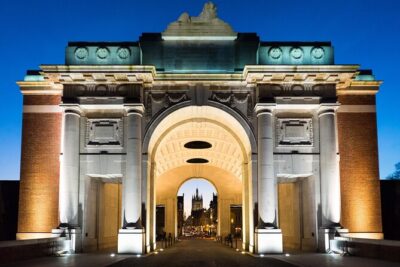
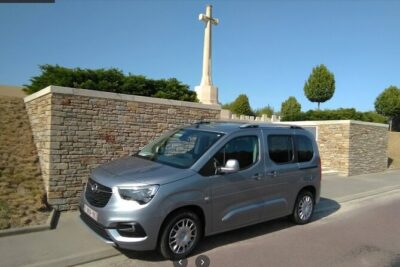
From IEPER Private 4-hour Tour of the Ypres Battlefield
Read our review →
In Flanders Fields and Passchendaele Half Day Morning Tour
Read our review →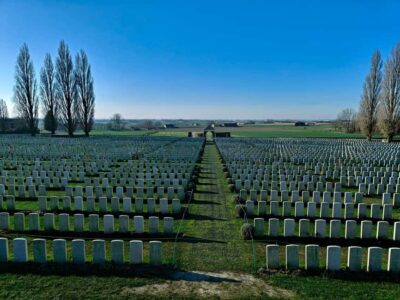
Ypres: An exploration of the deadly salient battlefields
Read our review →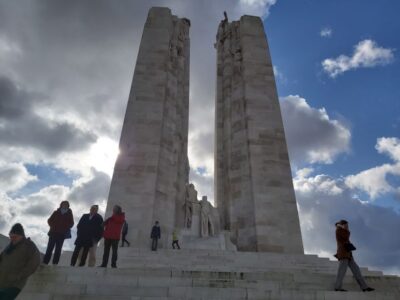
From Bruges: Flanders Fields Remembrance Full-Day Trip
Read our review →
Small Group Ypres Remembrance Day Filled With War History
Read our review →Browse the lists this tour appears in