
Reviewed · FLANDERS FIELDS & WWI BATTLEFIELDS
From Ypres: WWI Battlefields Private Tour
This experience is interesting because it gets you out of the car and onto the actual ground where the war’s pressure was felt. I love walking the original trenches at Sanctuary Wood, and I also love the scale and symbolism of Tyne Cot Cemetery. One possible drawback is time, it is only a 4-hour loop, so you will want to have your must-see sites in mind before you go.
Another big plus is the private group setup, with hotel pickup or meeting at Ypres Railway Station. Guides like Søren and Sabine are known for tailoring the route to your interests, and if you share family details they can often steer you toward the right commemorations.
You’ll be on the go, but it is not a speedrun. You do get guidance, map help, and museum stops, while still having moments to stand, look, and reflect on your own.
Key things I’d mark on your checklist
- Original trenches at Sanctuary Wood, with a museum-led stop before you walk
- Caterpillar Mine Crater (Hill 60 B), including an on-site guided walkthrough and time on the ground
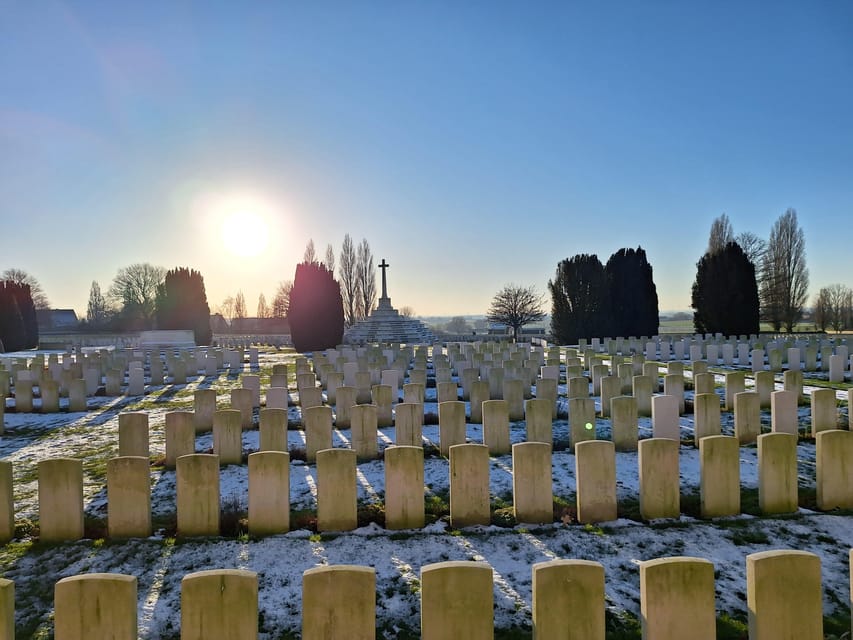
- Tyne Cot Cemetery and Wargrave, including the 12,000 war dead buried there
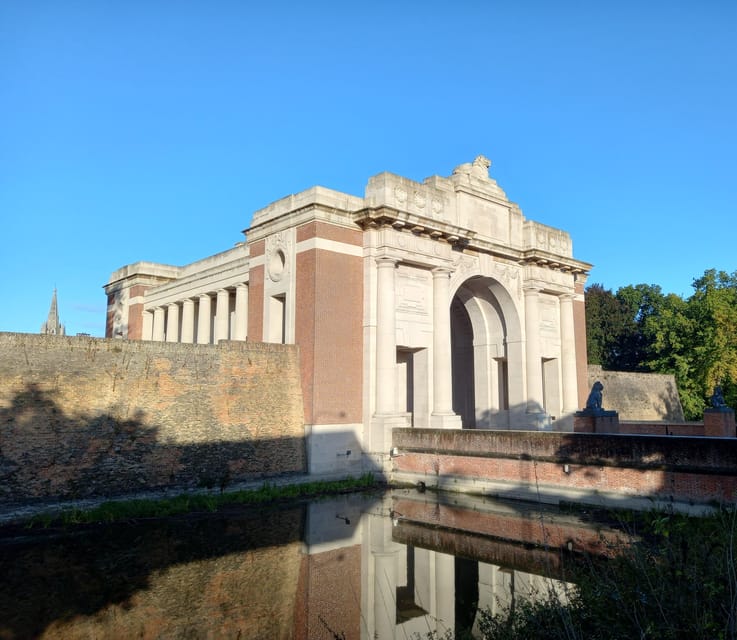
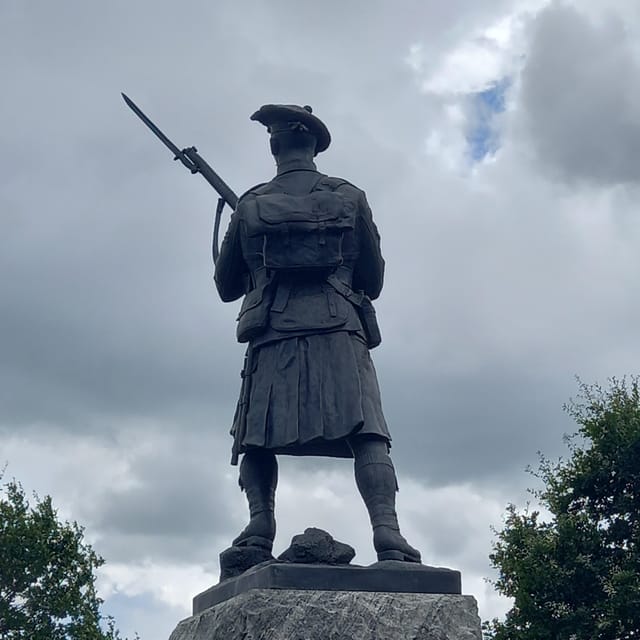
- The Brooding Soldier memorial, tied to the 1915 first German gas attack
- John McCrae’s Flanders link, with a photo stop at the dressing station connected to In Flanders Fields
Walking the Ypres Salient instead of just reading about it
Ypres is one of those places where you can feel history without needing a special trick. The Ypres Salient was a forward, contested area, and the tour route keeps that idea front and center by following how soldiers pressed toward Passchendaele in 1917.
What makes this kind of tour work is that the stops are not random. You bounce from trenches, to crater ground, to cemeteries, to memorials. Each one gives you a different lens on the same story: survival and attack, destruction from below, grief made permanent, and the ways people tried to communicate loss.
I also like that the tour is built to move with your interests. If you are Australian, Canadian, or Kiwi, you can pick a focused route, and if you have family connections, the guide can often weave your commemorations into the day where possible.
More around Ypres:
- From IEPER Private 4-hour Tour of the Ypres Battlefield
★ 5.0 · 154 reviews - In Flanders Fields and Passchendaele Half Day Morning Tour
★ 5.0 · 117 reviews - Ypres: An exploration of the deadly salient battlefields
★ 5.0 · 76 reviews
The real value in a private 4-hour format
At $530 per group up to 4, this is not a budget add-on, but it can still be good value if you compare it to the cost of handling transport, finding the right sites, and trying to make sense of the geography on your own.
Here is what you are paying for, and why it matters:
- You get hotel pickup and drop-off in Ypres, so you start without logistical stress.
- You get a guide, plus museum entry for the day’s key site.
- You get a tight route, designed for maximum meaning in a limited window.
The trade-off is simple. Four hours means you cannot cover every battlefield-related stop you might spot on a map. If you are the type who likes browsing quietly for an hour at each location, you might find yourself wanting more time at the cemetery or the trench areas. The upside is that your guide can tailor the emphasis, so you should be able to prioritize what matters most to you.
Also, the private setup is a practical comfort. You are not squeezed into a big crowd, and you can ask questions without waiting your turn. Even on hot or windy days, having a comfortable car ride helps.
Hill 60, Caterpillar Mine Crater, and the feeling of ground that changed

Your first major stop is the Caterpillar Mine Crater (Hill 60 B). You get about 30 minutes here, with a guided tour and time to walk.
This stop is powerful because it makes the war’s violence tangible in a way that photos cannot fully do. A mine crater is not just a hole, it is evidence of planning, engineering, and destruction on a massive scale. Standing near it, you quickly understand why the ground became part of the strategy.
One practical tip: wear shoes that handle uneven surfaces well. You are not doing a long hike, but you will want solid footing so you can focus on what you are seeing instead of watching your steps the whole time.
Sanctuary Wood Museum and trench walking you can actually picture
Next comes Sanctuary Wood Museum, followed by time to walk through the trench area. You get around 50 minutes total for the museum portion and guided time, and the key promise is that you will walk original trenches.
For me, this is where the tour earns its keep. You are not just looking at preserved bits behind glass. You get the chance to imagine the view from the line, the way movement would have been constrained, and how close “front line” really was.
The museum stop matters too, because it sets up the trench walk with context. You do not want to wander the ground like a random visitor. You want a framework, so the details turn from scenery into story.
If you are someone who prefers quiet reflection, you’ll still get it. Guides like Søren and Sabine have a reputation for pacing you so you do not feel rushed through the meaningful parts.
A few more Ypres options to weigh up
- From Ypres, The Christmas Truce to Passchendaele Ypres Based WW1 private tour
★ 5.0 · 29 reviews - From LIlle or Bruges, Christmas Truce to Passchendaele Ypres 1 day WW1 private
★ 5.0 · 5 reviews - From Ypres 4hr Christmas Truce and Monster Mines of Messines PRIVATE Tour
★ 5.0 · 5 reviews - Private Historical Tour: The Highlights of Bruges
★ 5.0 · 315 reviews
Tyne Cot Cemetery and Wargrave: when grief has a scale
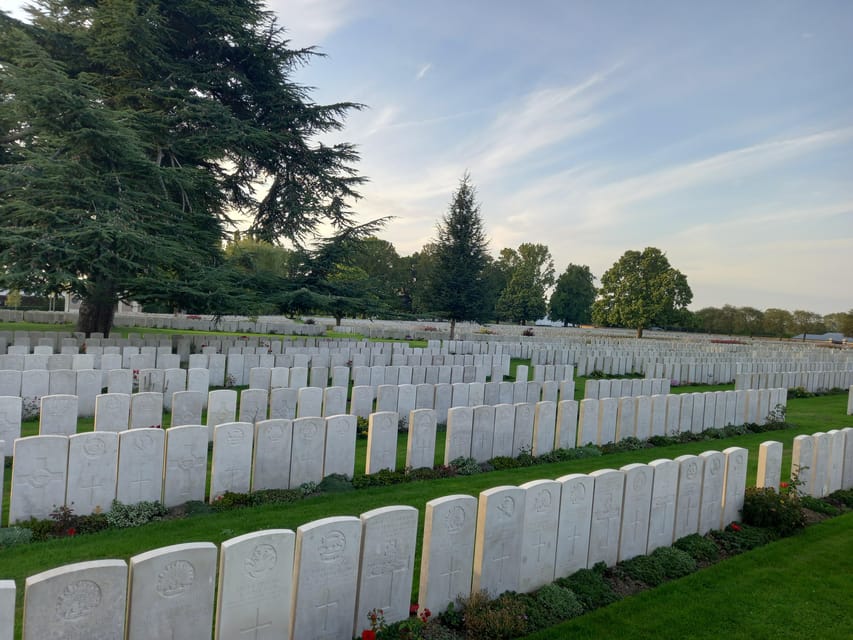
Then you head to Tyne Cot Cemetery, with a guided visit of about 50 minutes. This is one of the best-known cemeteries on the Western Front, and the tour does not treat it like a checklist stop.
Two things make this location especially significant:
- Wargrave is home to 12,000 war dead, and the number alone changes how you experience the place.
- Tyne Cot is not just names on stone, it is a way to understand how permanent loss shaped how soldiers and families were remembered.
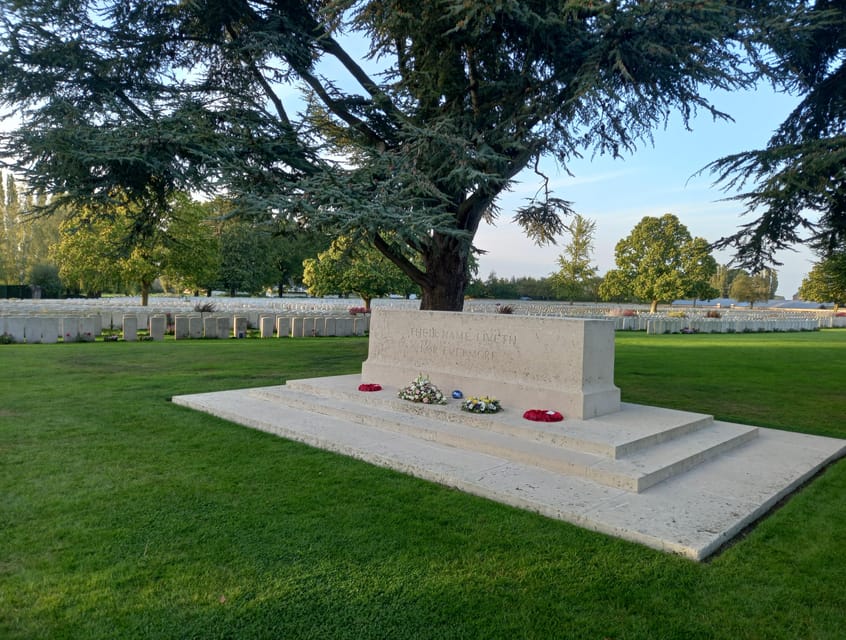
Give yourself time here. Even if you think you know what a cemetery will feel like, cemeteries at this scale can be a different emotion than you expect. The tour structure helps because you get guidance to explain layout and significance, but you also keep time to look at specific names and sections at your own pace.
A practical note: bring your camera, but also plan on putting it away for a few minutes. The effect hits harder when you stop documenting and just stand.
The Brooding Soldier memorial and the shock of 1915 gas
After the cemetery, you visit The Brooding Soldier memorial. This stop is shorter, about 20 minutes, but it carries a heavy historical anchor: it relates to the 1915 first German gas attack.
This is a good example of why the tour mixes different types of stops. Cemeteries represent aftermath. A gas-attack memorial points to a different kind of horror, one tied to a specific shift in warfare. The guide’s explanation here is crucial, because without context, you might miss why the memorial is designed the way it is and what it is meant to recall.
Because the stop is brief, you’ll likely want to arrive ready to listen. If you have questions, ask them quickly, then let the moment land.
John McCrae’s dressing station photo stop and In Flanders Fields
One of the most recognizable names connected to Ypres is John McCrae. The tour includes a photo stop of about 35 minutes at the John McCrae dressing station tied to the fame of In Flanders Fields.
Even if you never studied the poem in school, you probably know the title. Seeing the place associated with its creation adds a human layer to what is otherwise a geography of battle lines.
This is also a smart stop for photographers, because you’re given time to take pictures without feeling rushed. I’d still suggest using part of the time for a quick look around the station area first, then photograph once your eyes understand the setting.
Essex Farm Cemetery and a memorial for the missing
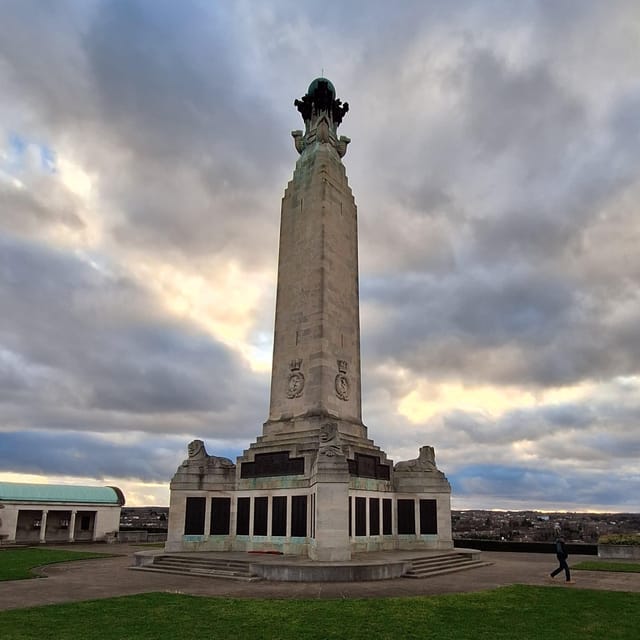
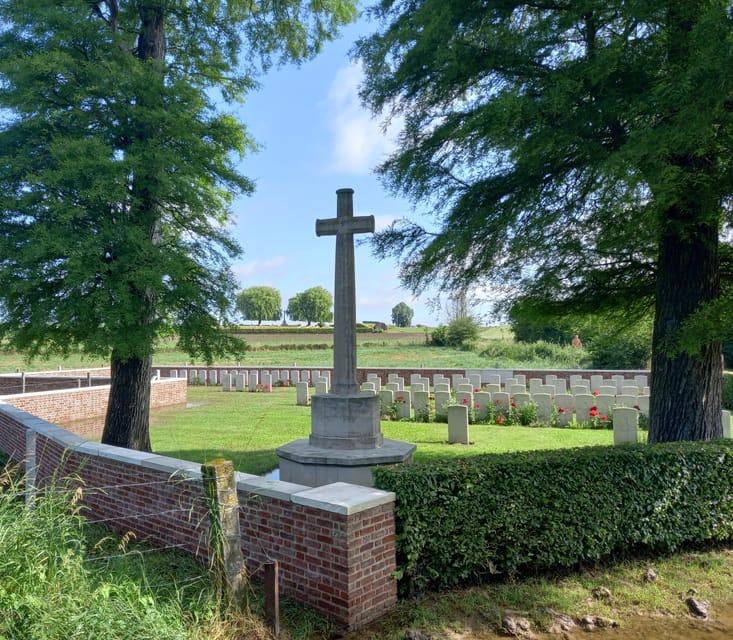
Later you visit Essex Farm Cemetery, with about 10 minutes of guided time.
Short guided stops can feel abrupt, but in a private tour they usually work because you already have the emotional context from the earlier trench and cemetery visits. Essex Farm is another location that reinforces how widespread the losses were, and how the war’s “front” kept moving while people were still being buried.
The tour also includes stops connected to the memorial to the missing and a place where your guide’s great uncle is commemorated. That personal thread is what can make the day feel less like history class and more like a conversation. If your guide has family ties in the records, they may point them out during the route where it fits.
Choosing the right national focus: Australian, Canadian, or Kiwi routing
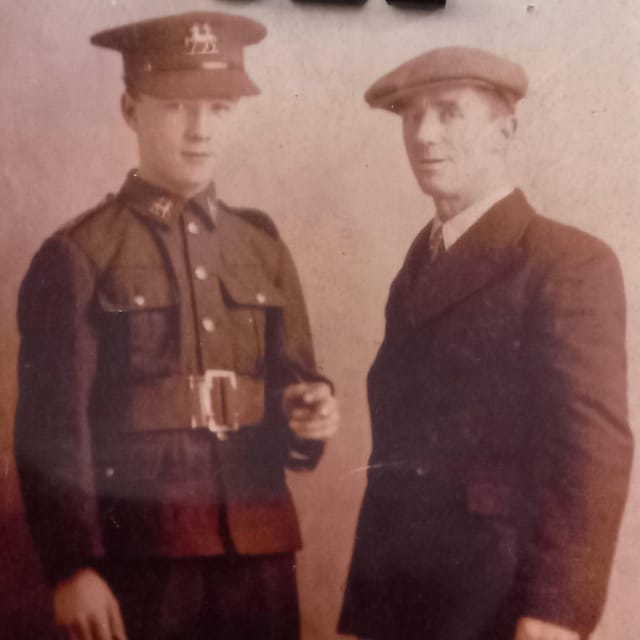
One of the most helpful features is that there are three different itineraries available, aligned with different national lenses:
- Australian 1917 Ypres Battlefields
- Canadian 1915 and 1916/1917 Ypres Battlefields
- Kiwi 1917 Ypres Battlefields
Picking the one that matches your background (or your interest) can change what you notice. You may focus more on particular units, different stages of fighting, and certain commemorations that show up naturally in that route.
On top of that, the tour can still be tailored to your specific interests. If you want to concentrate on memorials tied to your family, tell the guide what you know ahead of time. Even when the route cannot include every relevant spot, the guide can often help you connect what you see to names, places, and timelines.
Transport, pacing, and comfort that matters more than you think
This is a car-based tour with guided stops, so comfort matters. The experience is described as having highly-rated transport, and at least some guides handle the day in an air-conditioned vehicle on hot weather days.
Pacing is also a theme in the best feedback. Guides like Søren and Sabine are described as not rushing, giving you enough time to look around, and keeping the route flexible when something catches your interest. In a cemetery or trench area, that matters. The wrong pacing can turn meaning into motion.
You’ll also have small conveniences that keep the day smooth, including mineral water and museum entrance fees for the included stop.
What to bring for a trench-and-cemetery day
The tour is short, but the setting is real. Here’s what I’d do to set yourself up well:
- Comfortable shoes for uneven ground and outdoor walking
- A weather-appropriate layer, since Ypres can be windy and changing
- Camera if you want photos at the crater, cemeteries, and the McCrae photo stop
Because the tour includes time outdoors, check the weather before you leave your accommodation, and dress for the worst moment, not the nicest one.
Also, food is not included. If you can, grab a snack or light meal before you start. The stops are meaningful, and it is easier to stay focused when hunger is not nudging you every 20 minutes.
Should you book the Ypres Battlefields Private Tour?
If you want a short, high-impact WWI day in the Ypres area, this is a strong choice. I’d especially recommend it if:
- You care about the original trench walk at Sanctuary Wood.
- You want the emotional and geographic grounding of Tyne Cot Cemetery.
- You like the idea of a guide building the day around your national focus (Australian, Canadian, or Kiwi) and your personal connections where possible.
- You prefer a private group so you can ask questions and go at a human pace.
I’d hesitate if you know you want a long, unstructured exploration. Four hours is limited, and the route is designed to hit major sites, not to let you roam for hours on end.
All in, this is one of those tours where the price makes sense only if you value guidance, time saved, and the ability to connect names to places. If that is your goal, book it and come ready to slow down at the most solemn stops.
FAQ
How long is the WWI Battlefields private tour from Ypres?
It runs for 4 hours.
What is the price and group size?
It costs $530 per group, up to 4 people.
Where can I meet the guide?
You can meet at your Ypres-based accommodation, at Ypres Railway Station, or at another place of your choice.
What stops are included during the tour?
The tour includes stops at the Caterpillar Mine Crater (Hill 60 B), Sanctuary Wood Museum, Tyne Cot Cemetery, The Brooding Soldier memorial, and a photo stop at the John McCrae dressing station, plus a stop at Essex Farm Cemetery.
What is included in the tour cost?
Hotel pickup and drop-off, a live English-speaking guide, mineral water, museum entrance fee, and the private 4-hour guided tour.
Is food included?
No, food is not included.
Is the tour wheelchair accessible?
Yes, it is listed as wheelchair accessible.
Reviewed lately in Ypres
- Ypres Battlefields and Passchendaele Museum Full Day Tour★ 5.0 · 10 reviews
- Bellewaerde Aquapark Entrance Ticket★ 4.4 · 19 reviews
- Ypres: An exploration of the deadly salient battlefields★ 5.0 · 76 reviews
- In Flanders Fields and Passchendaele Half Day Morning Tour★ 5.0 · 117 reviews
- From IEPER Private 4-hour Tour of the Ypres Battlefield★ 5.0 · 154 reviews
- From LIlle or Bruges, Christmas Truce to Passchendaele Ypres 1 day WW1 private★ 5.0 · 5 reviews
- From Ypres, The Christmas Truce to Passchendaele Ypres Based WW1 private tour★ 5.0 · 29 reviews
- Full Day Canadian WW1 Vimy and Somme Battlefield Tour from Ypres★ 5.0 · 6 reviews
Flanders Fields & WWI Battlefields, compared.
From Bruges: Great War Flanders Fields Minibus Tour w/ Lunch
Read our review →
Flanders Fields Remembrance Tour from Brussels
Read our review →
From IEPER Private 4-hour Tour of the Ypres Battlefield
Read our review →
In Flanders Fields and Passchendaele Half Day Morning Tour
Read our review →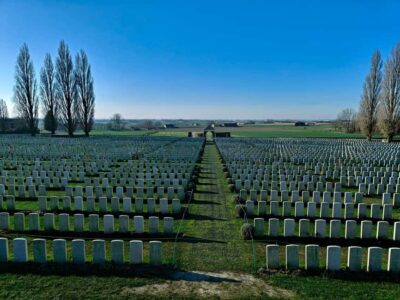
Ypres: An exploration of the deadly salient battlefields
Read our review →
From Bruges: Flanders Fields Remembrance Full-Day Trip
Read our review →
Small Group Ypres Remembrance Day Filled With War History
Read our review →Browse the lists this tour appears in