
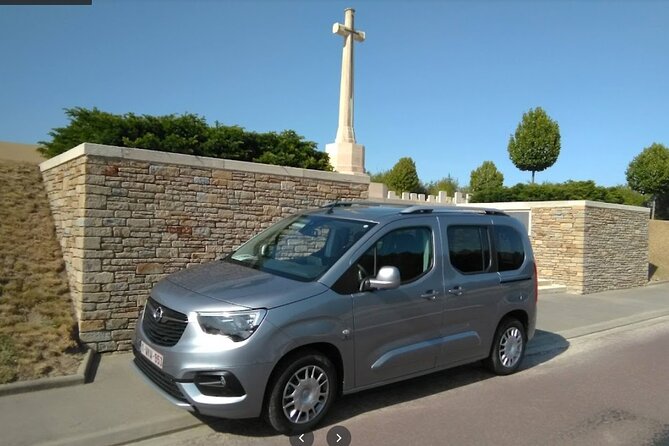
Reviewed · FLANDERS FIELDS & WWI BATTLEFIELDS
From IEPER Private 4-hour Tour of the Ypres Battlefield
This tour is interesting because it strings together the big, real pieces of the Ypres WWI story into one clear route. You also get private time, meaning your questions, pace, and interests matter. I love the pickup options too, so you are not squeezing this into a half-day with transit headaches.
The second thing I like a lot is how the guides use maps and photos to make each stop click, plus the way they can help connect sites to your own family story. That said, one drawback to consider is that four hours moves fast through sites that carry heavy emotion, so you may want more time on your own if you are the type who likes to linger.
Key highlights you should care about
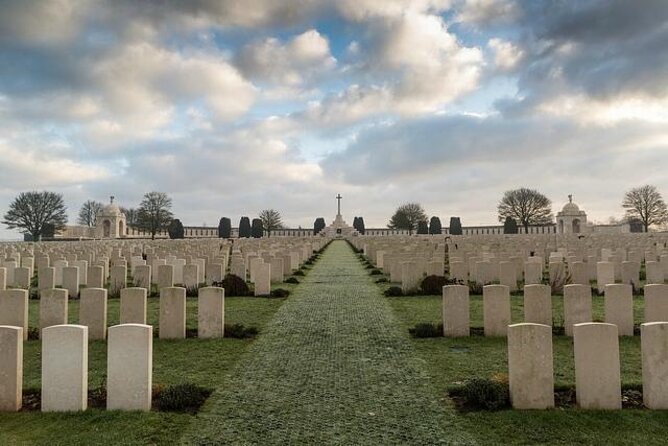
- Private group only: it is just your group, not a mixed crowd.
- Hill 60 mines (7 June 1917): a powerful stop that explains what was blown and why it mattered.
- Sanctuary Wood Museum trenches: original trench remains plus a small museum, with time to absorb it.
- Tyne Cot scale and names: 12,000 Commonwealth burials, only 3,000 with names.
- Saint Julien gas attack focus (22 April 1915): the chlorine gas cloud story and how Canadians held the line.
- Family-history friendly guides: examples include work based on a grandfather’s service record and extra tailoring for walking limits.
A private 4-hour WWI circuit that feels focused, not rushed

Ypres is one of those places where it is easy to get lost in the sheer number of memorials and cemeteries. This tour avoids that. You get a tight, guided loop that moves from major battlefield ground to the places where names and symbols stay with you.
You can choose a morning or afternoon slot, which matters if you want to pair it with other days in Belgium. Also, since it is private, you can set a realistic pace rather than hoping a larger group will slow down for your questions.
More around Ypres:
- In Flanders Fields and Passchendaele Half Day Morning Tour
★ 5.0 · 117 reviews - Ypres: An exploration of the deadly salient battlefields
★ 5.0 · 76 reviews - From Ypres, The Christmas Truce to Passchendaele Ypres Based WW1 private tour
★ 5.0 · 29 reviews
Price and value: $399.25 per group for up to 4 people
The price is $399.25 per group, capped at up to 4 people. That is about $100 per person if you fill all four spots, and it usually feels more fair than paying per person on a group tour.
Here is what you are really paying for: a guide who keeps the story straight while you hop between sites, plus pickup that saves time. On top of that, Sanctuary Wood Museum entry is included, and the other stops list free admission at each location, so you are not juggling ticket math mid-day.
If you are traveling solo, the price may feel steep compared with public transport and self-guided reading. But if you have two or four people, or you want a guide to do the organizing for you, the value gets much easier to justify.
Pickup in Ypres, plus a mobile ticket so you are not hunting anything
This experience is built around convenience. If you are arriving by train, you meet at IEPER TRAIN STATION. If you are staying in town, you meet at your Ieper hotel or BnB location.
If your accommodation is not listed, you just message the provider with the name, and they meet you there. That small detail matters because Ypres is compact, and you do not want to waste your limited tour time walking around looking for a rendezvous point.
You get a mobile ticket as well. In real life, that means less paper and fewer last-minute surprises. Service animals are allowed, and it is near public transportation, in case you prefer to plan your day with some flexibility.
Hill 60: the mines blown on 7 June 1917
Stop one is Hill 60, with about 40 minutes on site. Admission is listed as free, and the big draw is the story behind the massive mines blown on 7 June 1917.
This is one of those places where the ground looks deceptively normal. A good guide helps you picture what changed underground and why it mattered in the wider fight around Ypres. It is also a solid warm-up stop because it gives you the battlefield logic before you move to the memorial and cemetery sites.
One practical note: forty minutes is enough to hear the story, ask questions, and take photos. It is not meant for a long, silent “sit and stare” session, so if that is your style, plan on returning later on your own.
A few more Ypres options to weigh up
- From Ypres: WWI Battlefields Private Tour
★ 5.0 · 25 reviews - From LIlle or Bruges, Christmas Truce to Passchendaele Ypres 1 day WW1 private
★ 5.0 · 5 reviews - From Ypres 4hr Christmas Truce and Monster Mines of Messines PRIVATE Tour
★ 5.0 · 5 reviews - Private Historical Tour: The Highlights of Bruges
★ 5.0 · 315 reviews
Sanctuary Wood Museum: original trenches and that unforgettable tunnel feel
Next you go to Sanctuary Wood Museum, with about 45 minutes, and museum admission is included. This is where the tour turns from battle mechanics into something more human and physical.
You will see original WW1 trenches and also a museum space that helps you connect artifacts and layout to the story you just heard. Several families find this stop especially meaningful because it helps you understand what soldiers faced, not just what generals planned.
In one example, the guide even took visitors through the atmosphere of a trench tunnel. That kind of moment is why this stop earns its time. It is respectful, but it also gives your brain a “size of the place” reality check.
The only drawback is that museum spaces can feel tight, and trench areas are not meant for speed. If you have mobility concerns, it is smart to tell the guide early so they can pace you from the start.
Tyne Cot Cemetery: 12,000 burials, only 3,000 named
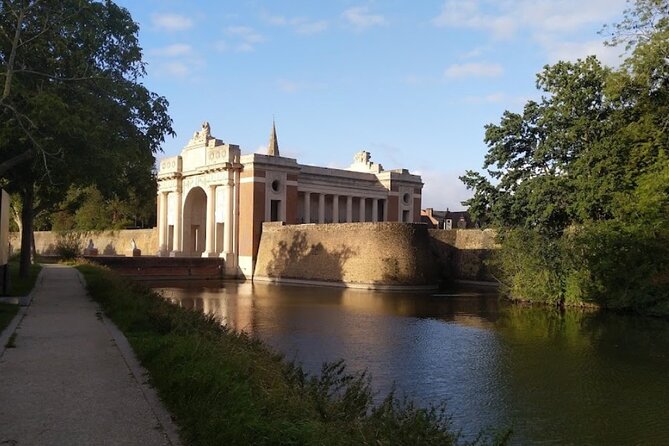
Stop three is Tyne Cot Cemetery, and you get about 45 minutes there. Admission is free, and it is hard to overstate how carefully this cemetery tends to hit people.
Tyne Cot is described as the world’s largest Commonwealth War Graves Commission cemetery, with 12,000 soldiers buried. The shock is the naming: only 3,000 have names. The rest were never identified, or their identities were lost to the chaos of fighting.
Your guide should help you hold both truths at once: the scale of loss and the value of the names that remain. This stop also highlights that there are two Australian and one Canadian VC recipients buried here. That mix of statistics and specific stories is often what makes Tyne Cot feel less like a “big site” and more like a place you can understand.
If you care about photography, bring extra patience. You will likely want pictures, but this is also a site where you may pause often, and you may decide to put the camera away more than once.
Saint Julien Memorial: chlorine gas on 22 April 1915, and Canadian resistance
After Tyne Cot, you head to Saint Julien Memorial for about 15 minutes. Admission is free here too, and the focus is direct and intense.
You hear about the first German gas attack of WWI on 22 April 1915, aimed at French soldiers, and how Canadians held the line in the face of a chlorine gas cloud. Even with only fifteen minutes, the guided explanation matters because memorials can feel abstract if you do not know what action they represent.
This stop is short on purpose. It helps you carry one clear story forward without turning the day into five separate emotional marathons. But it is still heavy, so build in a “quiet moment” right after you leave, even if it is just a few breaths at the curb.
Essex Farm Cemetery: Lt Col John McCrae and In Flanders Fields
Your final stop is Essex Farm Cemetery, with about 30 minutes. Admission is free, and the center of the story is the hospital site where Lt Col John McCrae composed In Flanders Fields.
This is where a battlefield connects to a worldwide symbol. The tour explains how the poem and the poppy became the iconic image of WWI remembrance. If you have seen poppy imagery before and wondered how it links to real places, this is the moment that answers that question.
Also, this stop often functions as a gentle landing pad. After cemeteries and memorials, you get something that translates into meaning you can carry home, without needing more site hopping.
If you want to maximize it, take a moment to connect the poem title to the physical spot you are standing on. That simple mental link can make the whole day feel more coherent.
What makes this tour feel personal: from ancestor research to humor with respect
A huge part of the value here is the human element. The guides are not just reciting dates. They are tailoring the route based on your interests, your family connections, and your pace.
For example, one guide asked for a grandfather’s service record so the group could visit the most relevant sites nearby. In other cases, guides adjusted the plan for walking restrictions after surgery. Some focused especially on Canadian connections, keeping that thread front and center at the key Canadian-linked sites.
You may also notice a pattern in the way guides teach. Maps and photos show up often, which makes it easier to picture troop movement and battlefield changes rather than just memorize names. And yes, a few guides use a bit of humor to keep the day from feeling like a long, joyless lecture. The key is that it stays respectful, because the topic is anything but light.
There are also practical kindnesses that make the day smoother. One guide even suggested a supermarket stop for freshly made sandwiches on a train day back to Paris. Others help with bags and drop you near a lunch spot afterward, which can be a lifesaver when you are done and your legs still have miles left in them.
Timing, walking, and the reality of a half-day with big emotions
This is a 4-hour tour, give or take. That sounds straightforward, but your brain will likely feel like it went through more time because each stop has a lot to absorb.
The pacing helps you cover five major locations without sprinting between them. Many guides also avoid timewatching, and they make room for questions. Still, four hours will not cover every corner of the Ypres battlefield region. If you want a slow, detailed “read every name” day, you should treat this as your guided starter and then build your own extra time around what pulls you in.
If you have kids, it can work well. One family noted the guide was patient and used a fun approach for children from ages 10 down to 6. If your group includes older adults, it helps that some guides explicitly accommodate walking restrictions, as long as you tell them what you need.
Who should book this Ypres private 4-hour battlefields tour
You should book this if you want:
- A guided storyline that helps you understand why each site fits into the larger Battle of Ypres picture.
- Pickup convenience so you can use your limited time well.
- A stop mix that includes trenches at Sanctuary Wood plus major cemetery and memorial sites.
- A private format where your questions and your family connections can shape the day.
You might consider another option if you already know the battle well and just want to wander on your own. Or if you want a longer day dedicated to reading names in depth, you may find four hours too short for that goal.
Should you book it?
My take is yes, if your goal is clarity and impact in a half-day. The consistent 5 out of 5 scores and the 100% recommendation rate point to a strong match between what people want and what this format delivers: a guided route that respects the subject while still helping you understand it.
Book it especially if you will not have time to research on your own before you arrive. A guide who uses maps and visuals can cut through the confusion fast. And if you have Canadian, Australian, or family ties near these sites, tell your guide up front. You are more likely to leave with a day that feels specific to you.
FAQ
How long is the IEPER private 4-hour tour?
It runs for about 4 hours.
How much does the tour cost?
The price is $399.25 per group, up to 4 people.
Is this a private tour?
Yes. It is private, and only your group participates.
Where do we meet for pickup?
Pickup is available at the IEPER TRAIN STATION if you arrive by train. If you stay at a listed hotel or BnB, the guide meets you there, and if your place is not listed you can message the accommodation name.
Which WWI sites are included?
The tour includes Hill 60, Sanctuary Wood Museum, Tyne Cot Cemetery, Saint Julien Memorial, and Essex Farm Cemetery.
Can I choose a morning or afternoon time?
Yes. You can choose from a morning or afternoon tour time.
Is the tour offered in English?
Yes, it is offered in English.
Are service animals allowed?
Yes, service animals are allowed.
What is the cancellation policy for a full refund?
You can cancel up to 24 hours in advance for a full refund. If you cancel less than 24 hours before the start time, the amount paid is not refunded.
Reviewed lately in Ypres
- Ypres Battlefields and Passchendaele Museum Full Day Tour★ 5.0 · 10 reviews
- Bellewaerde Aquapark Entrance Ticket★ 4.4 · 19 reviews
- Ypres: An exploration of the deadly salient battlefields★ 5.0 · 76 reviews
- In Flanders Fields and Passchendaele Half Day Morning Tour★ 5.0 · 117 reviews
- From Ypres: WWI Battlefields Private Tour★ 5.0 · 25 reviews
- From LIlle or Bruges, Christmas Truce to Passchendaele Ypres 1 day WW1 private★ 5.0 · 5 reviews
- From Ypres, The Christmas Truce to Passchendaele Ypres Based WW1 private tour★ 5.0 · 29 reviews
- Full Day Canadian WW1 Vimy and Somme Battlefield Tour from Ypres★ 5.0 · 6 reviews
Flanders Fields & WWI Battlefields, compared.
From Bruges: Great War Flanders Fields Minibus Tour w/ Lunch
Read our review →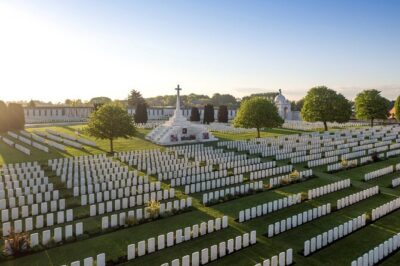
Flanders Fields Remembrance Tour from Brussels
Read our review →
In Flanders Fields and Passchendaele Half Day Morning Tour
Read our review →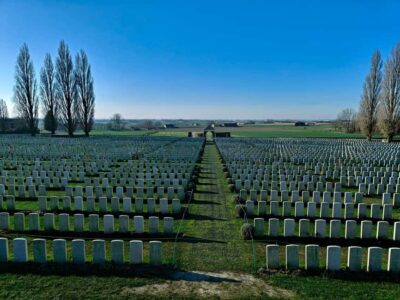
Ypres: An exploration of the deadly salient battlefields
Read our review →
From Bruges: Flanders Fields Remembrance Full-Day Trip
Read our review →
Small Group Ypres Remembrance Day Filled With War History
Read our review →
From Ypres, The Christmas Truce to Passchendaele Ypres Based WW1 private tour
Read our review →Browse the lists this tour appears in